JAMES BUCHANAN BUILT HIS FOUNDATION FOR LEADERSHIP IN FRANKLIN COUNTY
By Robb Helfrick
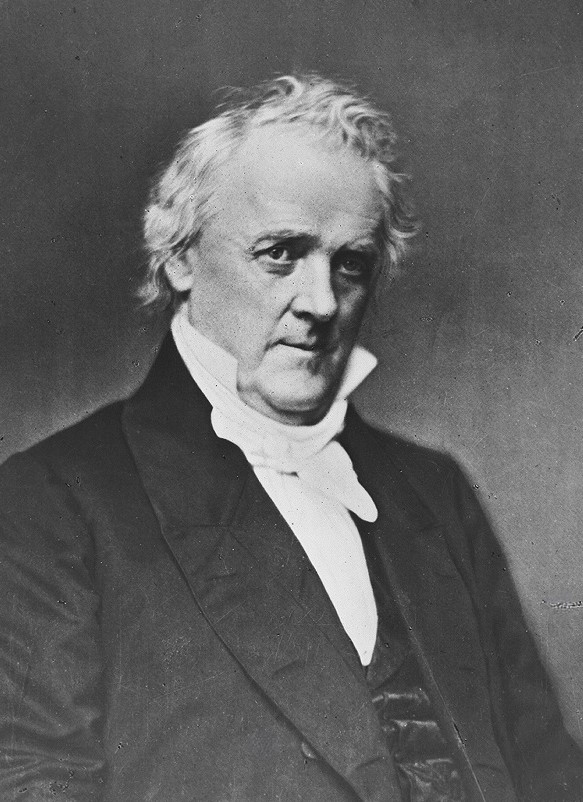
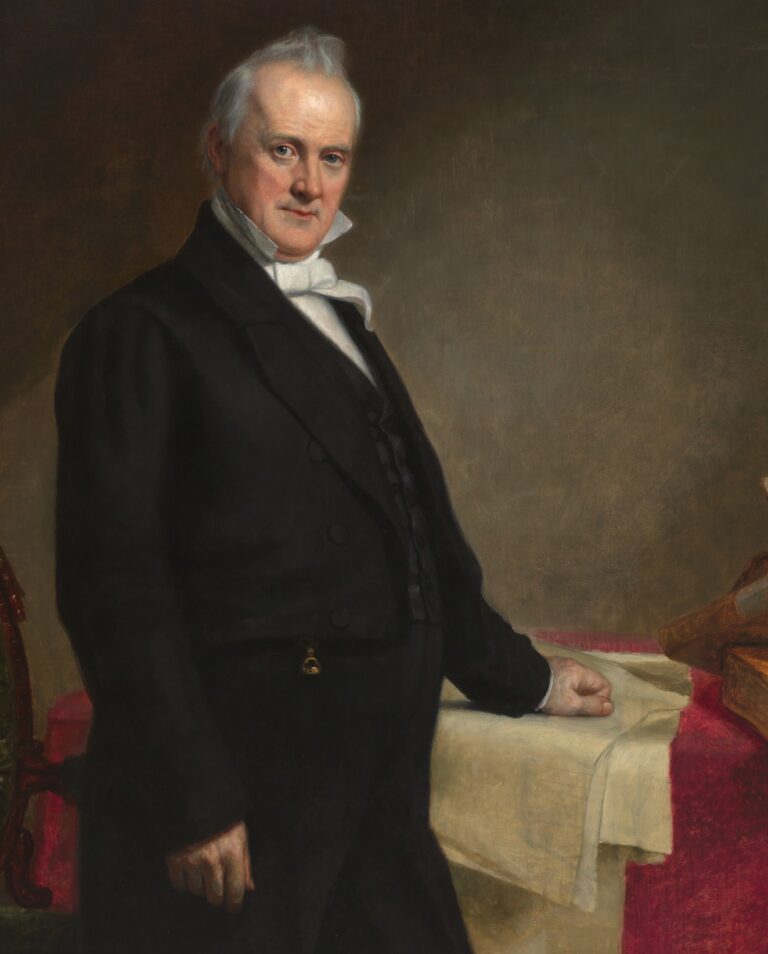
Only a few dozen American counties can claim the honor of being the birthplace of a United States President. Franklin County, Pennsylvania, is one such county. James Buchanan, America’s 15th chief executive, was born there on April 23, 1791.
Today, 157 years after his death, his life and legacy are significant chapters in Pennsylvania’s history.
James Buchanan’s parents, James and Elizabeth, immigrated from Ireland to southern Pennsylvania, where they started a family. Young James was the second of eleven children. He entered the world at Stony Batter, a property named by his father as a tribute to ancestral Scotch-Irish roots. The Buchanan family practiced a devout Presbyterian faith.
At the time, the western tract of Franklin County (then a part of Cumberland County) was the American frontier. Nearby, Fort Loudon protected against Native American threats during the French and Indian War. James Buchanan grew up in the shadow of untamed mountainous territory.
Although Buchanan only spent his early life in Franklin County, those formative years shaped his future successes. The Cove Gap territory of his birthplace was wild and scenic. Later in life, Buchanan recalled the landscape of his youth: “It is a rugged but romantic spot, and the mountains and streams are captivating.”
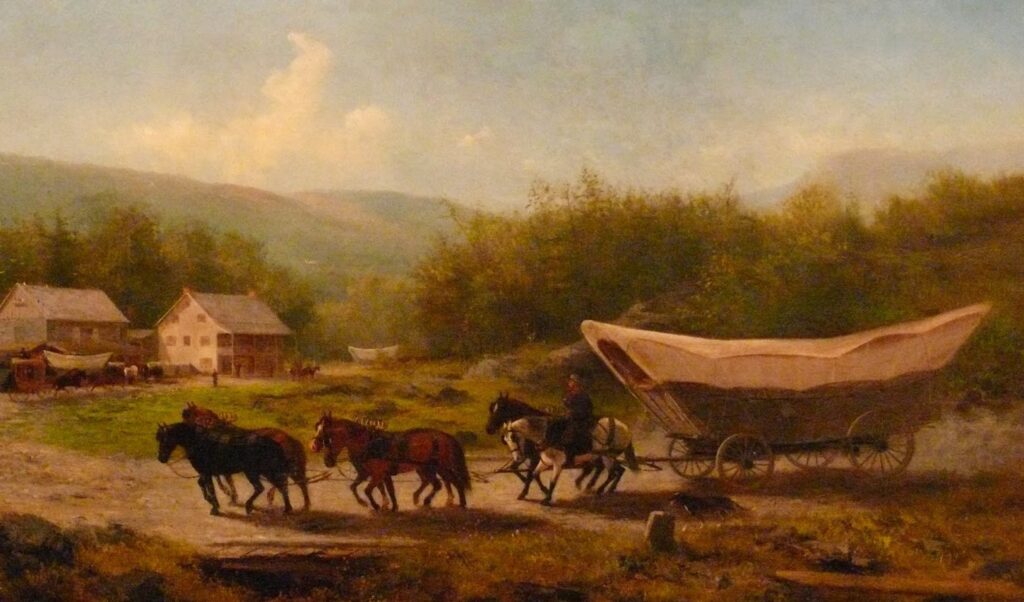
Buchanan’s father was a hard-working and intelligent businessman. He purchased a trading post at Cove Gap, situated alongside a main thoroughfare that crossed the Tuscarora Mountains, traveled by settlers heading west. Conestoga wagons packed with goods, pulled by teams of horses, lumbered over this mountain pass, headed for Pittsburgh and other destinations in the American wilderness.
At age six, the Buchanans moved to nearby Mercersburg, where the family business thrived. In the following years, James Buchanan Senior became a wealthy merchant who also prospered as a farmer and real estate investor. Young James worked at his father’s store and absorbed the political talk and frontier opinions of people passing through town.
Founders platted the Mercersburg village in 1780 and later named it for Revolutionary War Hero Hugh Mercer. A post office appeared in 1812.
Before the town incorporated, the settlement was known as “Black Town” in honor of James Black, its founder. The area later served as a refuge for African Americans who escaped southern slavery.
James Buchanan explored the thick forests and fording rocky creeks in his native Franklin County. Local lore recalled that his mother tied a bell to James’ clothing to keep him within earshot.
Working in the family store taught young Buchanan the penny-pinching financial tricks of a frugal merchant, a habit he practiced throughout his life.
James’ mother, Elizabeth, was influential in his early education as she read him poetry and quoted Shakespeare. Buchanan commented: “After I received a tolerably good English education, I studied the Latin and Greek languages at a school in Mercersburg.”
That institution was a one-room stone building called the Old Stone Academy, which later became a small college.
During Buchanan’s early years and beyond, his vigor and stamina were a blessing his siblings lacked. Three of his siblings died in infancy. Three others died in their 20s. Only Edward Buchanan, James’ youngest brother, outlived him. The rest of Buchanan’s younger brothers and sisters died before he became president.
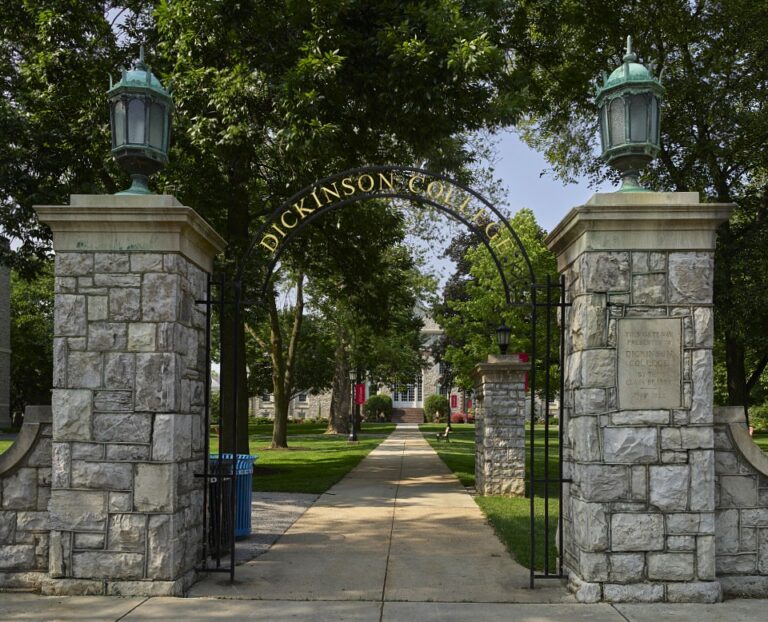
When Buchanan turned 16, he furthered his education in Carlisle, 70 miles distant. Enrolled at Dickinson College to study law, his adjustment to an academic life proved difficult. Buchanan later described the college as being in “wretched condition” with “no efficient discipline.”
Despite Buchanan’s youthful ire, the school earned a fine reputation in future years, as Supreme Court Chief Justice Roger B. Taney also matriculated there.
James Buchanan was a bright but cantankerous student. He misbehaved at Dickinson, later saying, “I engaged in every sort of extravagance and mischief.” He frequented local taverns and took part in many hijinks. In the autumn of 1808, the school threatened to expel Buchanan.
The young student quickly repented and changed his mindset. Buchanan promised good behavior to his minister, also a trustee at the college. After the school granted him a second chance, he excelled at his studies.
As graduation neared, peers nominated Buchanan for Dickinson’s top academic award. However, the faculty held a grudge and denied Buchanan the honor. That slight stung, and a bitter Buchanan later said, “I left college, feeling little attachment to the Alma Mater.”
Lancaster was Pennsylvania’s state capital during that era, and Buchanan moved there to pursue his law career. He studied under the guidance of respected attorney James Hopkins. When Buchanan passed the bar at 21, his future looked bright.
During his 20s, Buchanan was an enterprising lawyer, and his practice grew steadily. He made a name for himself, successfully defending District Judge Walter Franklin in an impeachment trial. Many recognized Buchanan as a skillful litigator and a fine orator.
A few years later, a joyful event in Buchanan’s romantic life turned tragic. He met and became engaged to Ann Coleman in 1818, the daughter of a wealthy ironmaster. Busy with his career, Buchanan reportedly paid scant attention to his fiancée.
When Coleman heard rumors of his attention toward other women, and others whispered that Buchanan was marrying her only for her family fortune, she broke the engagement.
Coleman then traveled to Philadelphia to stay with her sister. She died a few days later after a fit of convulsions caused by a drug overdose. Ann was 23 years old. The tragedy shook Buchanan. When Coleman’s family forbade his presence at her funeral, James supposedly vowed he’d never love again.
In the following years, rumors linked Buchanan to other women, including the niece of former First Lady Dolley Madison. During adulthood, he also enjoyed a close friendship with William King, Buchanan’s longtime roommate in Washington, DC.
King eventually became Vice President under President Pierce, but died of tuberculosis in 1853. Buchanan mourned once again. However, no evidence exists that confirms or denies that King and Buchanan had a romantic relationship.
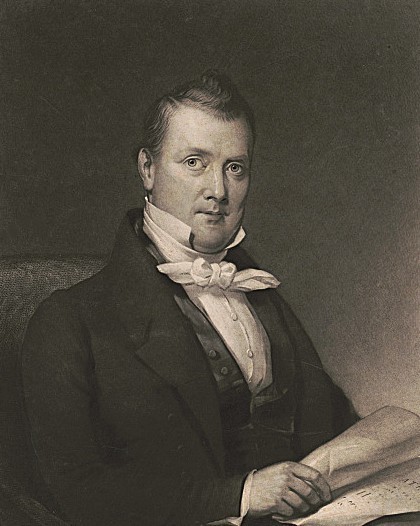
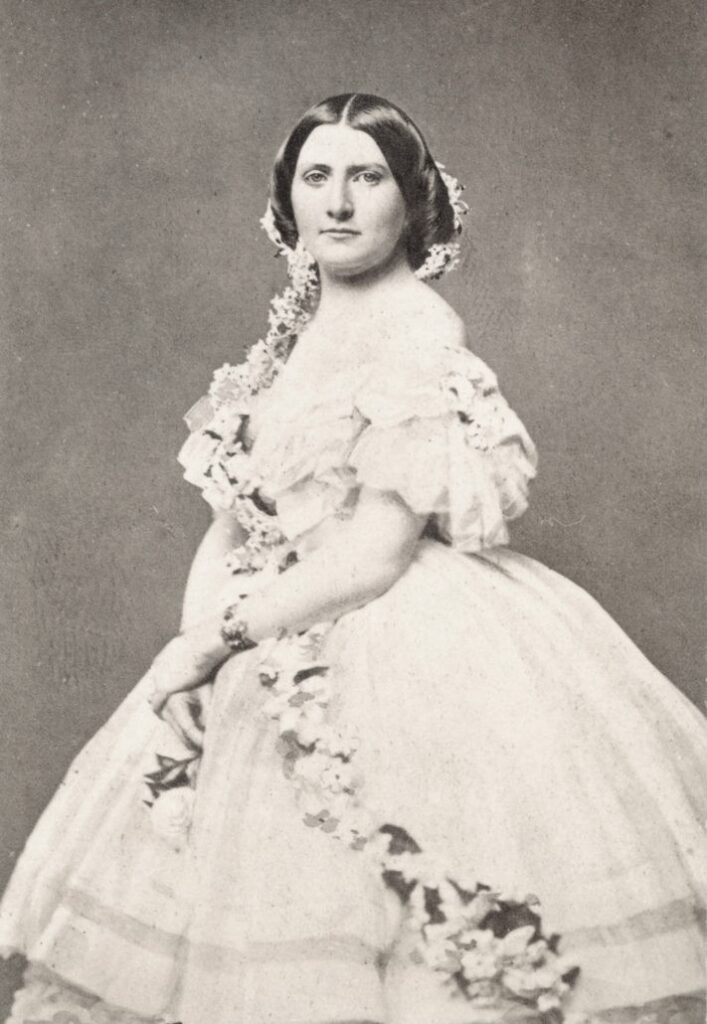
A few years later, Buchanan became the only bachelor President in US history. His niece, Harriet Lane, served as First Lady. She became an immensely popular public figure.
Earlier, when Buchanan matured into adulthood, he developed political beliefs that remained ingrained throughout his life. He became a disciple of Democrat Andrew Jackson, a rough-and-tumble Tennessean nicknamed “Old Hickory.” Jackson was elected the 7th president.
With his law background and interest in politics, seeking elected office was a natural progression for Buchanan. In 1814, at age 23, voters elected him to Pennsylvania’s State House of Representatives as its youngest member. Still a budding politician, he maintained his law practice for a time.
But once nominated for future offices, Buchanan made government service his profession. He never lost an election, culminating in his 1856 presidential victory.
Buchanan honored his roots in Franklin County but seldom returned home as an adult, since his social and political life centered in Lancaster and Washington. While performing his duties in national offices, which included Minister to Great Britain and Russia, and Secretary of State, Buchanan traveled around the world.
James Buchanan left the presidency in 1861, unable to prevent the Civil War, which may have been beyond any president’s capacity to forestall. Most historians consider his time in office to be a failure.
Some critics thought Buchanan was too strong an advocate of states’ rights and sympathized with the Southern cause. He retired to his Lancaster estate, “Wheatfield,” as a maligned public servant. After he died in 1868, Buchanan’s political legacy remained tarnished.
However, one person stood determined to honor and promote his legacy. That devoted family member was Harriet Lane. The final chapter of James Buchanan’s early life in Franklin County was about to be written.
For the remainder of her life, Harriet Lane had two persistent goals: to establish a memorial at Buchanan’s birthplace and raise a monument to him in Washington, D.C.
For decades after her Uncle died, Miss Lane worked tirelessly to acquire the Stony Batter property in Franklin County. She wrote letters and raised money. Lane twisted arms in Washington to have her Uncle recognized in the nation’s capital. She also financed the 1883 publication of a two-volume biography of Buchanan. Lane died in 1903, unable to attain her goal of dual memorials in her lifetime.
However, Lane’s appointed trustees picked up the torch. Harriet bequeathed a $100,000 donation to continue with those monument goals. In 1906, a foundation finally acquired the Buchanan birthplace property.
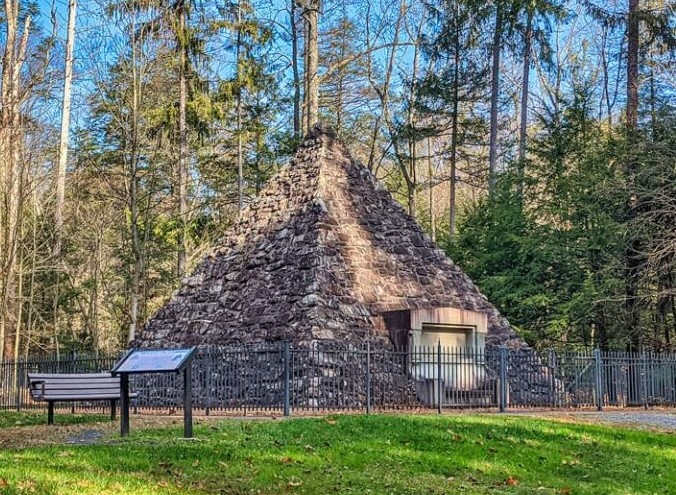
Work soon began on a unique memorial, in the shape of a stone pyramid, made from 600 tons of native rock and mortar. The 31-foot-high, 38-foot-square monument was completed in 1907 and given to Pennsylvania in 1911.
Today, James Buchanan State Park is an 18-acre recreation site that retains many of the wild and scenic qualities that the 15th president enjoyed during his youth.
Earlier in 1930, a bronze statue of Buchanan, standing on a granite pedestal, was dedicated in Washington, D.C.. With completion of these two honorary sites, Harriet Lane’s goals were finally achieved.
Like her Uncle, Harriet Lane lived a memorable life. The US Navy named several ships in honor of Lane, including the presidential yacht. In modern-day Mercersburg, Lane House, her former property, is a lovingly restored historic inn.
Mercersburg boasts a National Register Historic District designation. The small-town charm that Buchanan experienced during childhood survives in the modern-day town.
James Buchanan’s legacy in southern Pennsylvania remains secure. Considered one of the most well-qualified presidents to hold office, he served at every level of state and federal government.
Until Joe Biden was elected the USA’s chief executive in 2020, Buchanan was the only president born in Pennsylvania.
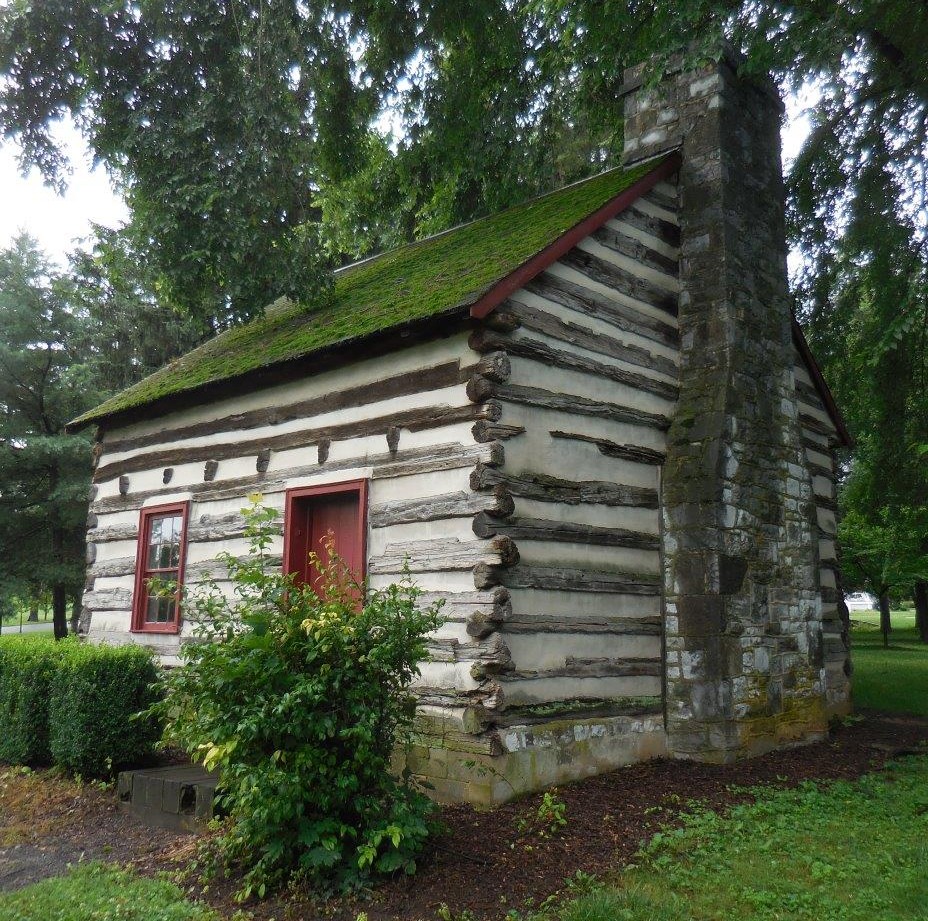
Franklin County honors its native son, as Route 16 is also known as the Buchanan Trail. Businesses and a school are named for the former president. Buchanan’s birthplace, a rustic log cabin, is preserved on the campus of Mercersburg Academy.
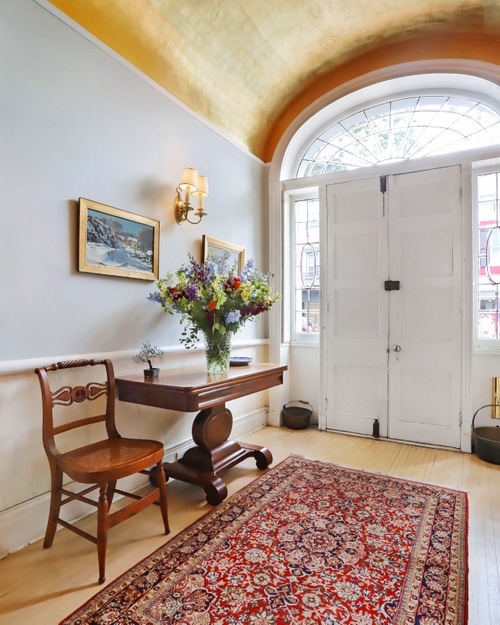
Buchanan’s Wheatland estate in Lancaster, where he is buried, is a popular destination for presidential aficionados. However, his scenic homeplace in Franklin County, Pennsylvania, laid the childhood foundation that inspired James Buchanan’s adult accomplishments.