“THE KILLER ANGELS” BOOK INSPIRED A CIVIL WAR LEGACY OF ARTISTIC PROJECTS IN GETTYSBURG
By Robb Helfrick
By 1974, stories about Gettysburg’s epic battle had been shared and published for 111 years. With a gigantic collective history volume already in place, it seemed unlikely that anything profound about that event could be added. Authors wrote more books about the Civil War than all other American history subjects combined.
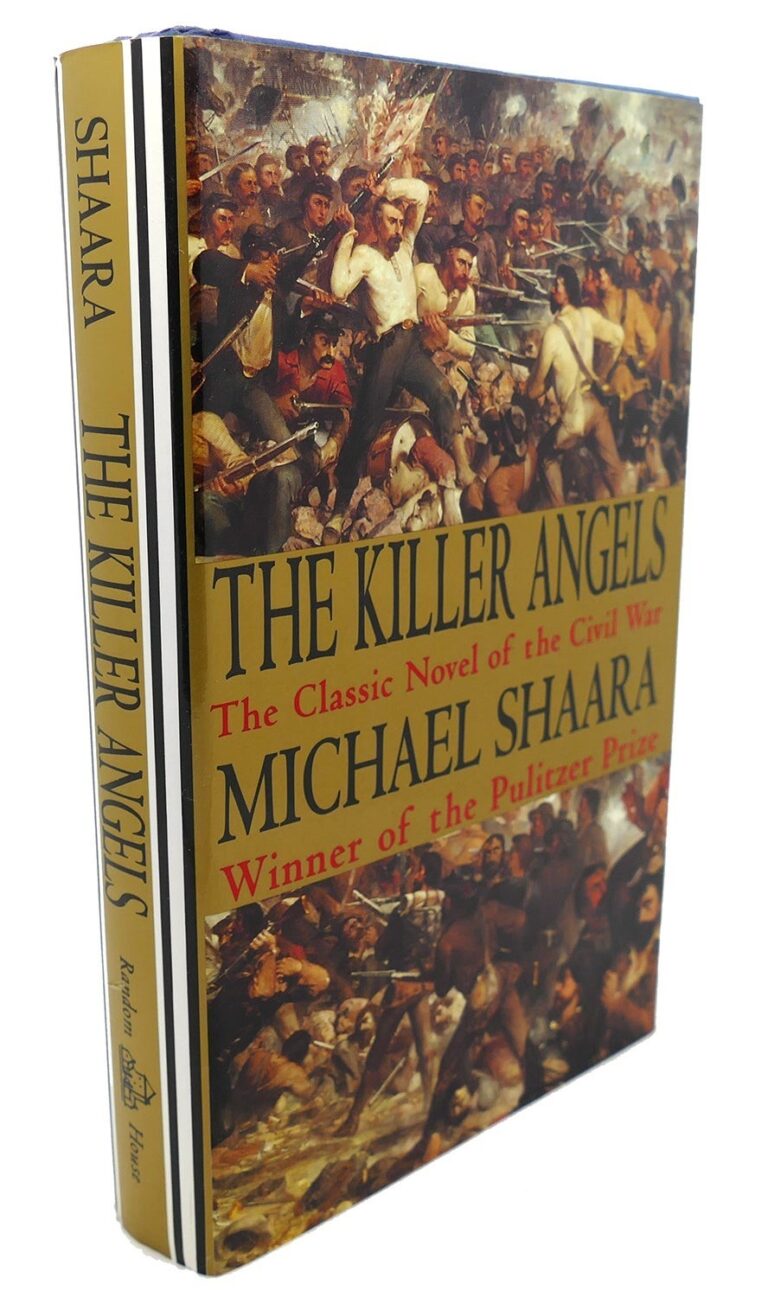
However, a novel released that year by author Michael Shaara altered that perception. His work, “The Killer Angels,” is a masterpiece told by a born storyteller. But beyond its powerful prose and unique insight, this book also inspired other notable artistic projects, created by talented people who honored and extended Shaara’s legacy.
Michael Shaara was born in 1928. During his childhood, the New Jersey native yearned to be a writer. He graduated from Rutgers University and published his first short story while in college. Earlier, Shaara served in the Army’s 82nd Airborne Division in Korea.
Once back home, Shaara became a Florida policeman for a short stint, hoping to find real-life material for his writing. He also became a talented boxer. This varied background prepped Shaara for his future accomplishments.
Shaara’s first forays into professional writing focused on science fiction. However, with a family to support and outlets paying as little as a penny a word, Shaara eventually accepted a teaching position at Florida State University. He taught literature, but self-writing projects remained a motivating passion. In 1968, his novel titled “The Broken Place” was published, a story about a Korean War vet who returns home to become a boxer.
Back in 1964, Shaara took his family on a road trip. They visited the Gettysburg battlefield for the first time. Walking the ground where Pickett made his famous charge, Michael Shaara was inspired. He returned south, determined to write a unique story on that famous battle.
Why Shaara was captivated by Gettysburg is easily speculated. It is the most famous small town in America. The epic battle waged there in July 1863 was a pivotal turning point in the Civil War. The military decisions and tactics carried out at Gettysburg resulted in appalling casualties. But the battle’s result created the pathway for the war’s eventual end, which restored the union.
In November of that year, President Lincoln delivered his legendary Gettysburg Address, honoring the battlefield’s fallen soldiers.
At home in Florida, Michael Shaara tunneled into a mountain of Civil War research. The Killer Angels book took seven years to write. Shaara was excited about his completed manuscript, but a lucrative book contract proved elusive.
The country in the early 1970s was emotionally exhausted from the prolonged war in Vietnam. Prospects of a new history-based war book didn’t light a fire under most publishers. Shaara finally received a modest book advance from a publishing house. Then, when his novel was released, the author awaited the reading public’s response.
The Killer Angels’ initial reception was lackluster. The book didn’t vault up best-seller lists. After years spent laboring at his craft, at first it seemed Shaara’s novel was destined for only modest acclaim. Then, in 1975, a telegram arrived at Shaara’s home. The author was astounded. The Killer Angels had won the prestigious Pulitzer Prize for Fiction. Shaara and his wife were later invited to a State Dinner at the White House.
However, the expected financial success that an author normally expects for that literary honor didn’t materialize. Shaara remained a teacher at FSU. He pursued other writing subjects, including his love for baseball. Shaara never wrote another war book.
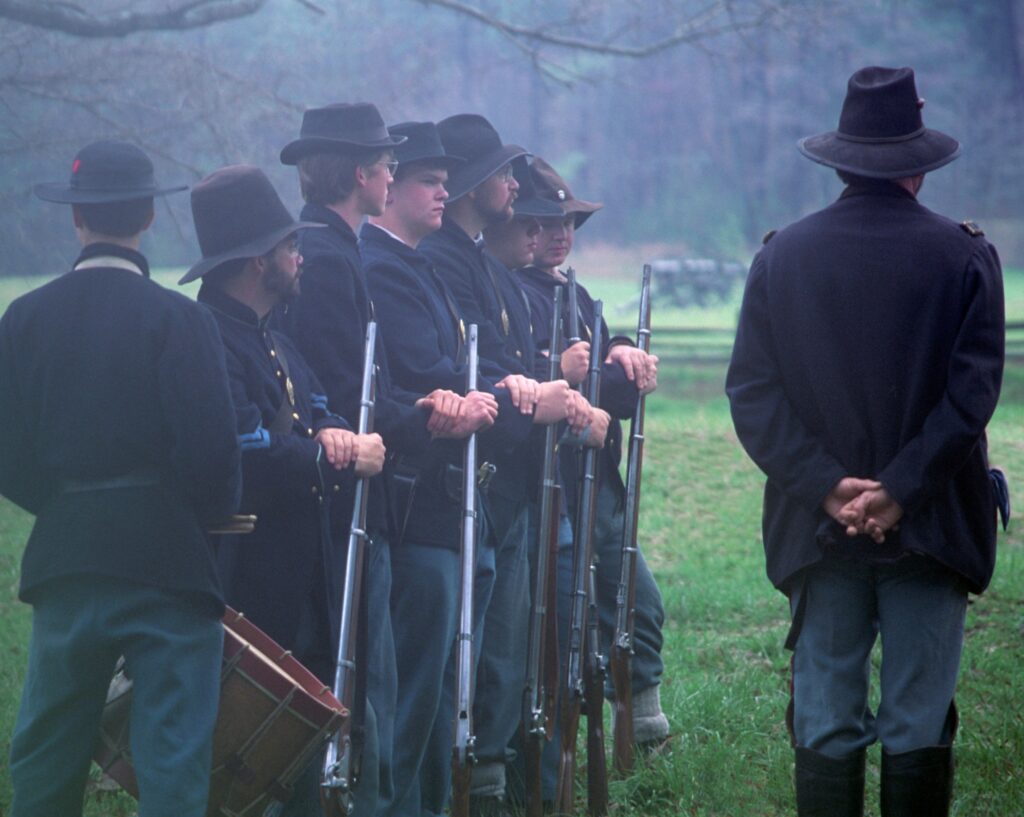
In The Killer Angels book, Shaara’s powerful narrative is gleaned from extensive research, but what shines is how he inhabits the minds of the book’s main characters. Early on, he introduces these men, military leaders from both the North and the South. Shaara explores their varying temperaments, goals, vices, and motivations.
On the southern side, the pivotal man is General Robert E. Lee. Shaara describes him: He is a man in control. He does not lose his temper nor his faith; he never complains…He loves Virginia above all, the mystic dirt of home. He is the most beloved man in either army. In the narrative, Shara probes the deep well of General Lee’s soul.
Lee’s right-hand man is General James Longstreet. At Gettysburg, Longstreet still mourns the recent death of his three children back home, who all perished in a single week from a fever outbreak. He also struggles with Lee’s aggressive Gettysburg battle tactics and lack of intel from the Rebels’ dashing but absent cavalry commander, Jeb Stuart.
Shaara describes Virginia General George Pickett, his name forever linked to Gettysburg by his doomed frontal assault. Major General, thirty-eight. Gaudy and lovable, long-haired, perfumed. Last in his class at West Point, he makes up for a lack of wisdom with a lusty exuberance.
To add an outsider’s perspective, Shaara utilizes a jovial man named Arthur Freemantle, a British writer who journeyed to witness the American Civil War spectacle. The flamboyant Freemantle admires the similarities he envisions between the English and U.S. southern cultures. He shadows and amuses Confederate General Longstreet.
Colonel Joshua Lawrence Chamberlain is the shining star on the Union side. Shaara introduces Chamberlain’s studious personality. This stoic leader of the 20th Maine (a college professor on sabbatical) is put in the critical position of protecting the Yankees’ exposed left flank.
Shaara describes 34-year-old Chamberlain as tall and rather handsome, attractive to women, somewhat boyish, a clean and charming person…he speaks seven languages and has a beautiful singing voice, but he has wanted all his life to be a soldier. That wish for the mustachioed Colonel from Maine is finally tested at Gettysburg.
It isn’t necessary to be educated about military strategy to enjoy The Killer Angels. Troop maneuvers and weaponry descriptions are included, but don’t overwhelm the story. Instead, Shaara’s mastery of the characters’ emotional weight and internal conflict dominates the story. The author asks readers to consider the significance of this American tragedy by considering these individuals’ dreams, fears, and doubts.
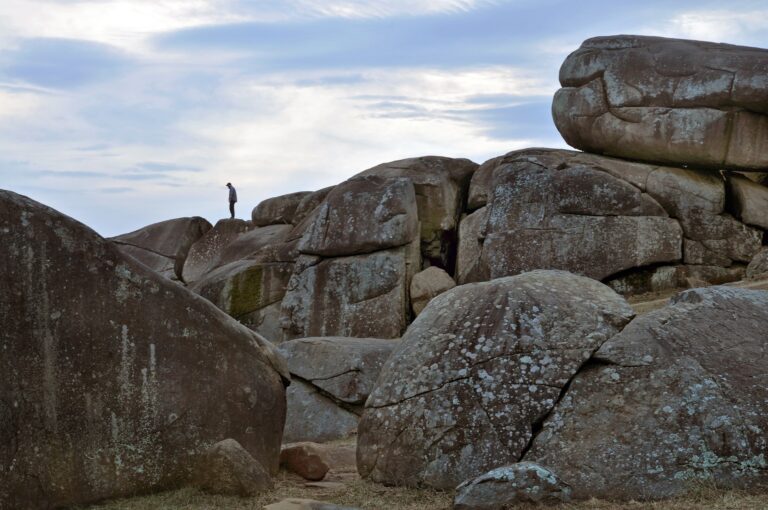
The Pennsylvania landscape is an honorary character in The Killer Angels. Shaara brilliantly captures the essence of the area’s natural beauty, framed amidst the savagery of war.
This cherished geographic characteristic is a major factor why millions of history lovers have visited Gettysburg over the years. They can never recreate the battle first-hand, nor would they want to witness the carnage, but they can experience the same timeless landscape it was fought on. The massive rocks, the forested hills, the distant blue mountain ridges, and the fertile valleys all remain visible today at Gettysburg.
Michael Shaara died from a heart attack, aged 59, in 1988. Despite The Killer Angels’ compelling narrative and its Pulitzer Prize, it appeared at the time that Shaara’s intelligent work would fade, like a soldier’s poetic letter written to a loved one back home.
However, documentary filmmaker Ken Burns read The Killer Angels, and it moved him. He praised the book, calling it “remarkable…a book that changed my life.” Then, Burns created the ground-breaking nine-part 1990 miniseries, “The Civil War,” which aired on PBS. Using powerful storytelling techniques, Burns’ film was an instant national phenomenon. This success primed the pump for the eventual creation of a separate Gettysburg movie.
With this renewed interest in the American Civil War, Shaara’s novel finally received national mainstream attention a few years later. Cable TV mogul Ted Turner’s production company filmed the movie “Gettysburg” in 1993, based on The Killer Angels. When the movie aired, Shaara’s book sold over a million copies and introduced many readers to the late author’s literary talent.
Gettysburg became a major motion picture, but it confronted a challenge all movies face when recreating a literary classic. How can a visual medium capture the internal nuances inherent in a deeply written narrative? The movie Gettysburg made a valiant effort, faithfully following TKA’s storyline and borrowing much of its original dialogue. However, the 4 ½ hour film didn’t fully achieve what Shaara did with his words.
This conclusion is reinforced by famed Gulf War General Norman Schwarzkopf, who called The Killer Angels “the best and most realistic historical novel about war I have ever read.”
In 2023, many of the movie’s principal actors returned to Gettysburg for the 30th anniversary and recounted their experiences making the film. With memorable performances by Martin Sheen as General Robert E. Lee and Jeff Daniels as Colonel Joshua Lawrence Chamberlain, it was a movie worth celebrating. Gettysburg was abuzz when these renowned actors were feted at public events.
Perhaps each successive generation will discover something valuable when reading The Killer Angels—and learn enlightened lessons about what these real-life characters can teach them.
Michael Shaara walked the Gettysburg battlefield 61 years ago. During that trip, his son, Jeff, walked with him.
After the success of the film Gettysburg, movie producers wanted to capitalize on the excitement created by the adapted Killer Angels book. Jeff Shaara was tasked with writing a new screenplay, a prequel to his late father’s Gettysburg story. His “Gods and Generals” manuscript was so well-written that it was published as a stand-alone book and adapted as a movie. Jeff later wrote “The Last Full Measure”, a moving sequel to the Civil War trilogy inspired by The Killer Angels.
As an acclaimed author, Jeff Shaara remains inspired by his father’s work. At a recent Adams County Historical Society talk in Gettysburg, Shaara recounted his writing career. As family pictures flashed on a screen behind him from that long-ago trip to Gettysburg, showing him climbing monuments and wandering the battlefield with his father at age twelve, Jeff Shaara said, “That book is his monument. My writing would not exist if he had lived. I honor his legacy and never take it for granted.”
Through Michael Shaara’s unique talents, he created a literary work that captures the essence of an epic historical event. Those influential words still travel around the world a half-century later.