MONT ALTO STATE PARK: PENNSYLVANIA’S OLDEST RECREATIONAL RETREAT
By Robb Helfrick
Mont Alto State Park was the second park established in Pennsylvania’s commonwealth system. Today, this scenic park is the state’s oldest surviving recreational area. Mont Alto State Park’s history has deep roots in industry, transportation, forestry, hospitality, and verdant scenery.
John Funk built the first residence in the Mont Alto area in 1817, and the settlement was initially called Funkstown. Later called Altodale, the community’s official name was finally chosen as Mont Alto at its incorporation a century later. Those first hundred years shaped the town’s fortunes, and a prominent enterprise was an ironworks company founded in 1807.
Samuel and Daniel Hughes started the Mont Alto Iron Works that year. Their furnaces utilized abundant local resources, including ore deposits, forest timber used for charcoal, and rushing streams to harness water power. During this era, Pennsylvania was a leading iron manufacturer. By 1870, the state produced $123 million worth of the product, more than twice the output of New York state, which ranked second in production.
During the Civil War, a syndicate that included Colonel George Wiestling, a Harrisburg businessman, purchased Mont Alto Iron Works. Wiestling later took sole ownership of that group, and utilizing many innovations, his company prospered and employed 500 workers.
A driven man, Wiestling decided his firm would benefit if a rail line connected his operations to the Cumberland Valley Railroad near Chambersburg. His hard-working employees laid those tracks in 1872 and later added a route to Waynesboro in 1879. The Mont Alto Railroad was born.
Wiestling believed Sundays were sacred, and his iron company employees rested on the Sabbath. However, he didn’t want his railroad to stand idle during weekends. With plentiful acreage accrued along Antietam Creek and as an advocate for nature’s relaxing qualities, Wiestling soon started a new project: a community park.
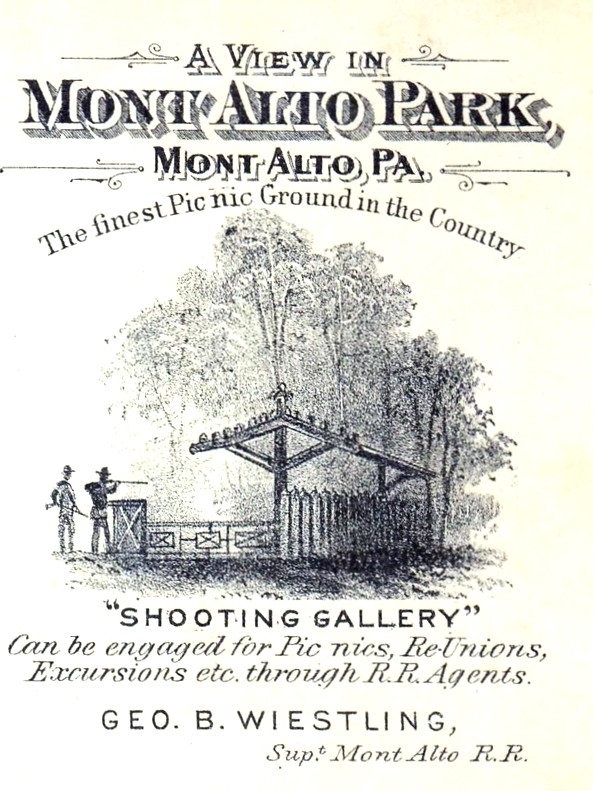
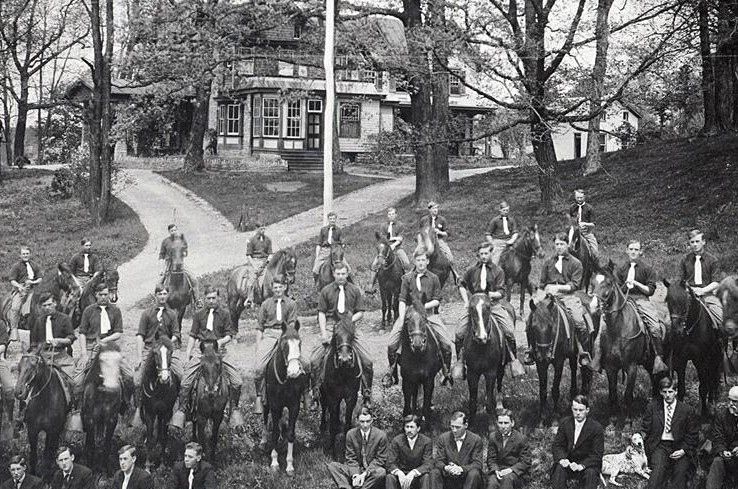
Mont Alto Park opened in 1875, and it achieved instant success. An Odd Fellows picnic that year attracted an estimated 9,000 guests.
The Village Record, Waynesboro’s newspaper, described the local reaction: “Those who had not visited were surprised at the park’s magnitude, attractions, and conveniences. It promises to be a great resort.”
Colonel Wiestling continuously added new features to the park, which included a dance pavilion, shooting gallery, croquet grounds, carousel, swimming pool, restaurant, and gymnasium. The local papers noted each improvement, documenting the new trails, bridges, and a stairway to the “Narrows.”
Locals loved the park, and so did the entire region. People flocked to Mont Alto Park from Martinsburg, WV, and Harrisburg, PA. Trains brought picnickers and revelers from north and south. In 1888, round-trip adult tickets from Waynesboro and Chambersburg cost 30 cents, and 15 cents for children. Trains departed at 7:30 and 8:30 am and returned each evening at 6, 7:30, and 8:30.
Mont Alto Park opened two years before Pen Mar Park, another famous regional attraction. A curious history student could speculate that the former’s railroad ties inspired the latter’s creation (the Western Maryland Railroad founded Pen Mar Park) as a recreation rival. During the Victorian and Gilded Ages, mountain resorts in the Mason-Dixon region thrived, bringing city dwellers and lowland tourists from all over the East Coast.
Groups and organizations from the entire spectrum gathered at Mont Alto Park. The Cumberland Valley Railroad held its annual picnic there. Various church denominations frequented the park. Many local social clubs, companies, families, and school classes staged reunions at Mont Alto.
The President of Wilson College, Dr. Martin, treated his female students to an annual outing at the park every September, and a 1899 Mont Alto resident commented about Wilson’s coeds: “The fine ones were well behaved and are welcome back next year.”
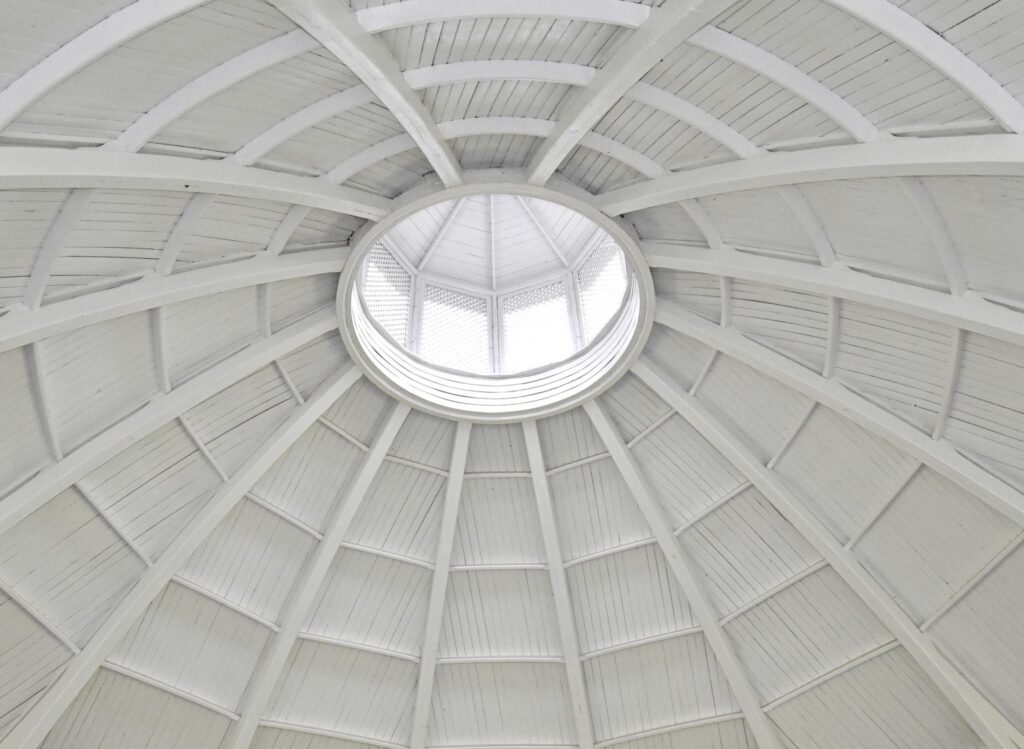
Like its rival, Pen Mar Park, Mont Alto hosted musical groups. They featured their own Philharmonic Orchestra and other popular local musicians. They performed at Mont Alto’s dance pavilion, now one of the last architectural remnants at the site.
The pavilion was later rebuilt but still wows today as a grand wooden structure with a towering white ceiling hidden inside a bell-shaped, dark-green canopy.
As Mont Alto Park gained popularity, the natural surroundings attracted a different type of visitor: people suffering from tuberculosis. A treatment shack called “White Pine Camp” was built on the mountain in 1901, and it evolved into the Mont Alto Sanatorium. Later, the operation became the South Mountain Restoration Center, a facility with an 1100-patient capacity during its peak years. That healthcare complex still stands today.
Like many tourist destinations of any era, Mont Alto Park had its heyday, followed by a decline. Colonel Wiestling died in 1891, and his iron company went out of business two years later. The Mont Alto Railroad was sold at foreclosure in 1901. Mont Alto Park continued without Wiestling’s guidance, but its fortunes peaked during his stewardship.
In 1902, Pennsylvania bought Wiestling’s former ironworks property and converted it into its second State Park.
The first State Park created is nationally known and synonymous with an army’s courage during a harsh wartime winter. Valley Forge was designated in 1893 when Pennsylvania Governor Pattison authorized its purchase. That site celebrates the bravery of George Washington and his troops. However, on July 4, 1976, this Revolutionary War-themed State Park became a National Park.
That development bestowed Mont Alto Park with bragging rights as the oldest State Park remaining in the system.
One year after Pennsylvania purchased the park, another significant event occurred. The commonwealth created the Pennsylvania Forestry School in 1903 at Mont Alto. Pennsylvania’s Governor appointed Joseph Rothrock as the state’s first Commissioner of Forestry. Rothrock, later known as the state’s “Father of Forestry,” also utilized his medical wisdom to start the sanitarium at Mont Alto.
Mont Alto State Park remained a popular early 1900s destination, but visitation gradually declined year by year. Cultural changes were the main reason, as the rise of the automobile gave individuals the freedom to skip train trips and schedule personalized travel plans. Rail service between Waynesboro and Mont Alto Park ended in 1933.
During the 20th Century, most of the park’s man-made amenities disappeared one by one.
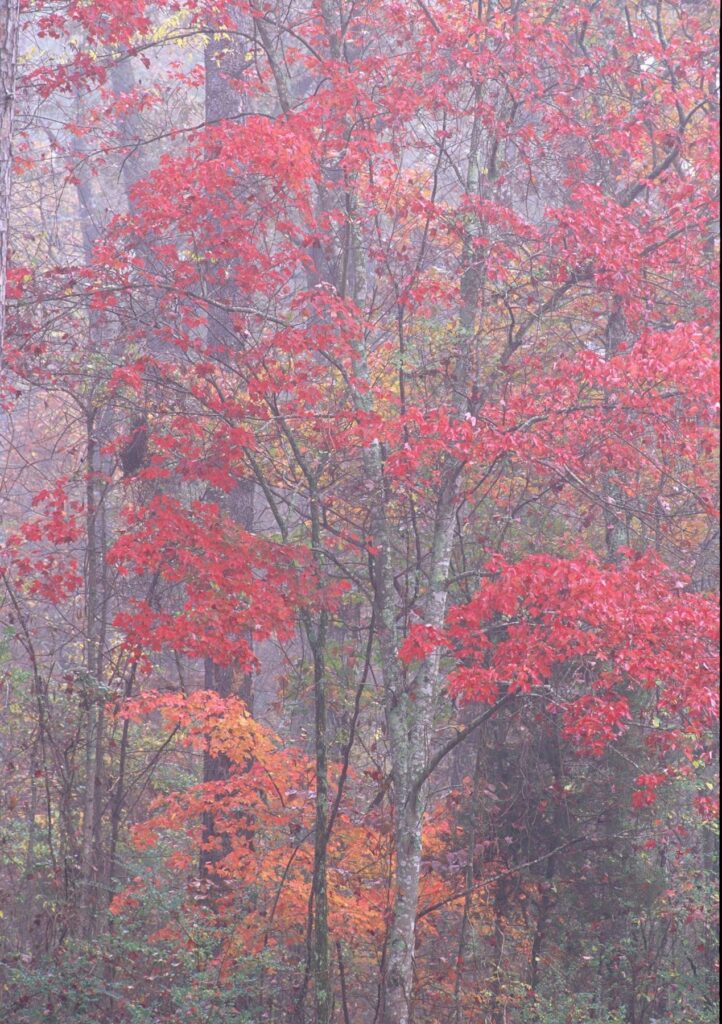
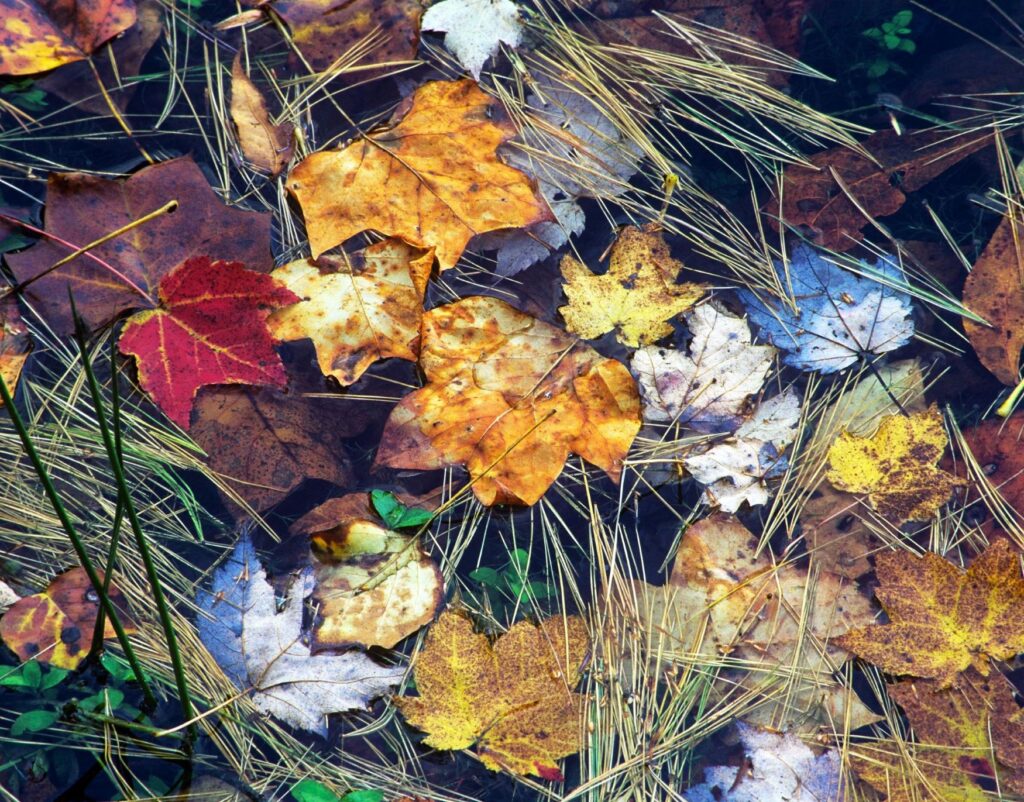
The majestic beauty of Pennsylvania’s forests and streams is today’s prime attraction. Within this territory, on the western side of South Mountain, an area famous for lush Appalachian scenery still survives. Multiple pathways wander through the landscape within Michaux State Forest, including the nearby Appalachian Trail. In the cooling shade under a forest canopy, the park remains a popular spot for a relaxing picnic or an autumn hike.
Today, the Pennsylvania State Park system has 124 units, none older than Mont Alto. Within 300,000 total acres, visitors enjoy opportunities to breathe fresh air and learn lessons from the state’s varied past.
Another local historical legacy is nearby Caledonia State Park. It became the third Pennsylvania park in 1903, making it the second-oldest State Park still in operation. Caledonia is also a former ironworks site with a historic pedigree.
As Mont Alto built its legacy of environmental restoration and conservation, the community always embraced its past, remembering influential people like Colonel Wiestling and Joseph Rothrock.
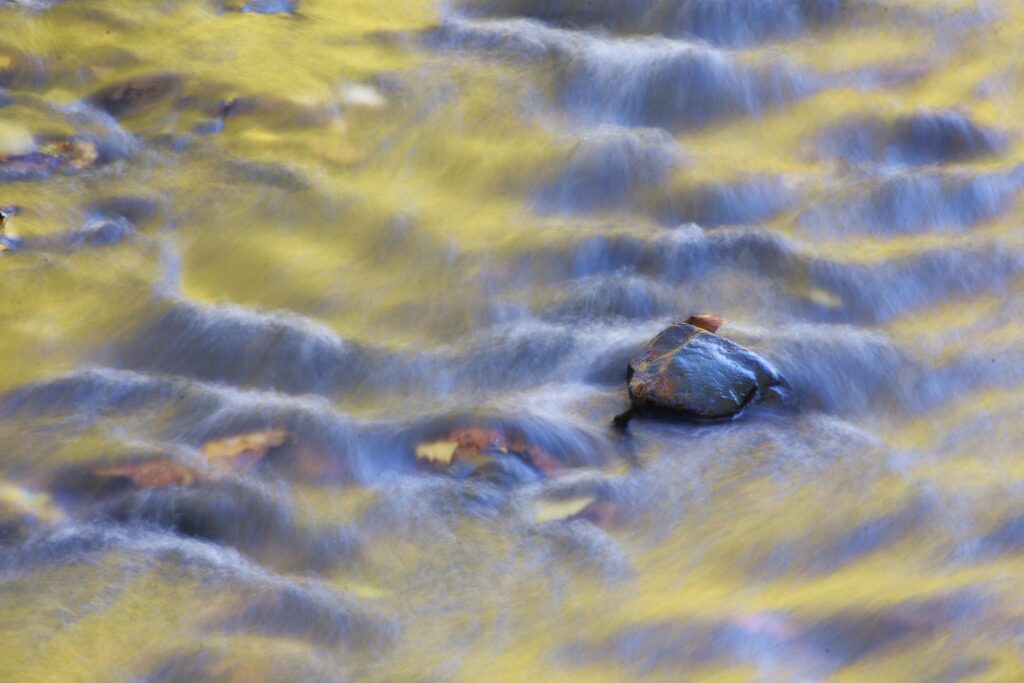
On the 24-acre grounds of Mont Alto State Park, reminders of nature’s restorative powers are evident. Strolling along the rocky Western Branch of Antietam Creek, gurgling waters ease the worries of contemporary life. At places like this, where man-made creations sometimes vanish with passing eras, the scenic qualities of the mountain landscape endure.