50 YEARS AGO: TRAGEDY, TRIBULATION, AND TRIUMPH IN 1975
By Robb Helfrick
As 2025 comes to a close, a look back to a half-century ago reveals a tumultuous year marked by dramatic highs and lows. This emotional rollercoaster of unforgettable events spurred local, regional, and national headlines.
The year 1975 marked the end of a divisive and deadly war and also witnessed constant incidents of criminal chaos and political intrigue. However, 50 years ago, Pennsylvania’s sporting success provided a needed local and regional break from the tribulations of an epic year.
The shadow of the Watergate scandal cast a dark shadow on New Year’s Day as John Mitchell, H.R. Haldeman, and John Erlichman were convicted for Obstruction of Justice. Their illegal conduct as Attorney General and presidential White House aides ultimately implicated their boss, Richard Nixon. The 37th president resigned in disgrace in August 1974. Gerald Ford was appointed as the presidential successor, and he pardoned Nixon for any Watergate crimes.
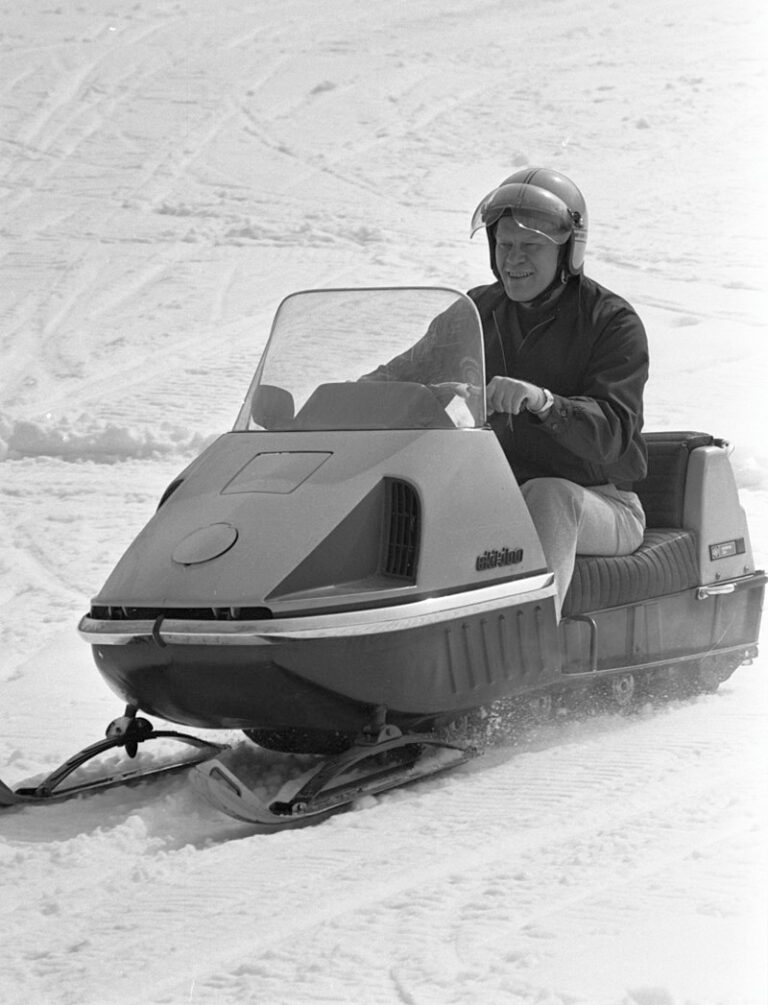
Ford’s act of clemency was criticized, but he was also considered a kind and decent family man. The president enjoyed playing sports with his children at Camp David, the rustic retreat in Maryland’s Catoctin Mountains. Early in 1975, Ford playfully piloted a snowmobile over the compound’s snow-covered terrain.
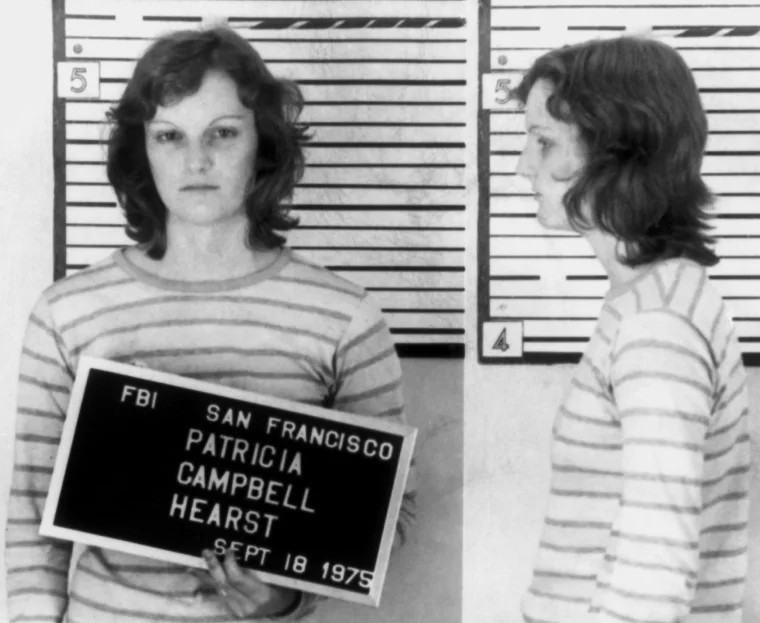
The president would later be teased on “Saturday Night Live” (which debuted that year on NBC) as a man who often stumbled or fell in public. However, Ford was a talented athlete who turned down offers to play professional football after graduating from college. Later in ’75, threats to the president’s safety wouldn’t come from his clumsiness but from two women armed with guns.
On January 3, in Waynesboro, the year began with an alarming episode when a man wielding a sawed-off shotgun charged into the Waynesboro Savings Association on Main Street. Bank Manager William Gelbach said, “I was just about to strike a match to light my pipe,” when he spotted a robber wearing a ski mask and pointing a weapon.
Gelbach stayed composed, stalling the culprit as he led the bandit to several teller stations to slowly gather $9,800. When the opportunity arose, Gelbach alerted police by activating a silent alarm. The robber was confronted by two officers three minutes later and surrendered after they fired a warning shot. That fiasco ended peacefully, but another heist, later in ’75, would become infamous in local lore when its perpetrator attempted a violent escape.
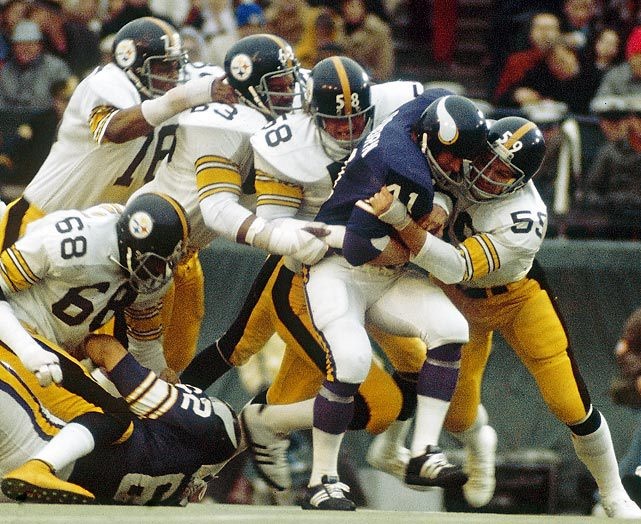
Fortunately, January ended on a sporting high for Pennsylvania football fans who cheered for the Pittsburgh Steelers. The team concluded their brilliant 1974-75 season with a win in Super Bowl IX over the Minnesota Vikings on January 12.
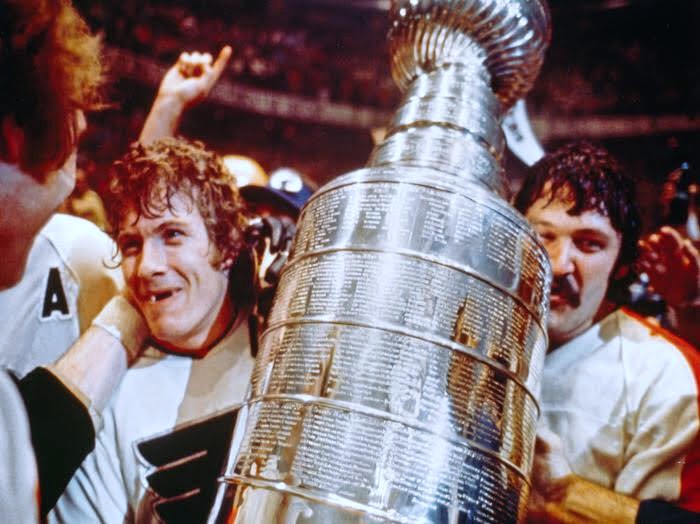
The end of the NHL season was also a triumphant time for Philadelphia fans as the Flyers won hockey’s coveted Stanley Cup for the second consecutive season.
In early Spring, Pennsylvania made national sporting news when it became the first U.S. State to allow female high school students to participate in male athletic contests. Perhaps the famous “Battle of the Sexes” match, waged two years earlier between tennis pros Billie Jean King and Bobbie Riggs, inspired the policy change after King routed Riggs.
Former Baltimore Orioles baseball star Frank Robinson enjoyed a milestone in April, becoming the first African American man to manage a Major League team when he took the helm for the Cleveland Indians.
On April 30, the Vietnam War officially ended when Saigon fell. During that multi-decade conflict, over 58,000 American servicemen and women died. Memories of those lost patriots would be honored at local venues such as Waynesboro’s Memorial Park. In 1982, a solemn black-granite monument to America’s Vietnam heroes was dedicated on the National Mall in Washington, DC.
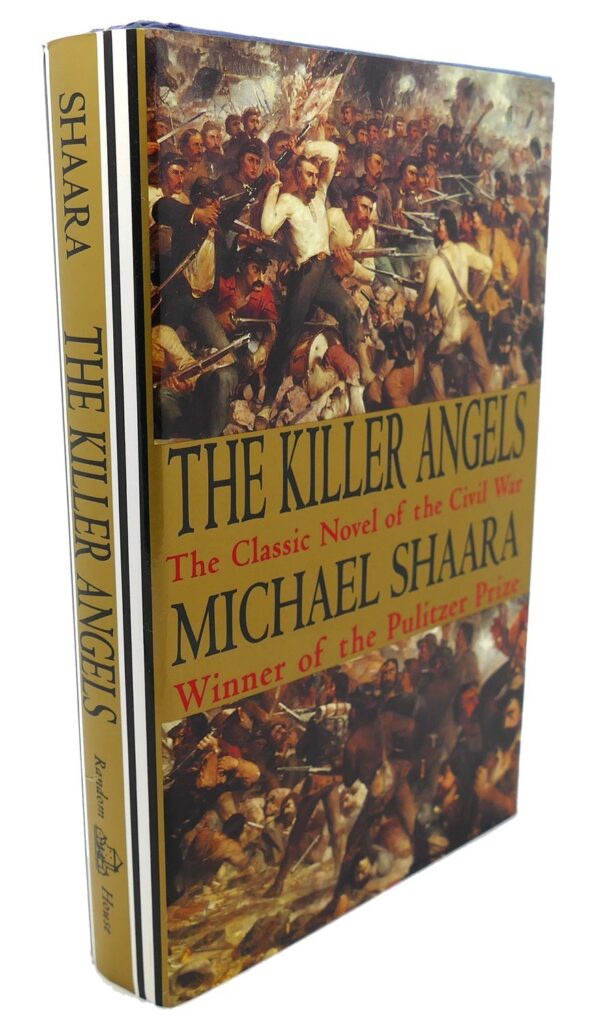
On May 5, 1975, author Michael Shaara earned acclaim for his writing (and added luster to local history) when he won the Pulitzer Prize for his novel, “The Killer Angels.” That book artfully chronicled the epic Civil War battle at Gettysburg. His novel was later adapted to a motion picture drama starring Martin Sheen as Confederate General Robert E. Lee and Jeff Daniels as Union hero Joshua Lawrence Chamberlain.
As summer arrived, the Major League Baseball season offered a pleasant diversion from past wars. Local fans were split in their devotion to three Pennsylvania and Maryland teams. The American League’s Orioles were the defending Eastern Division Champions, as were the Pittsburgh Pirates in the National League. The Philadelphia Phillies were perennial NL also-rans who hadn’t played in a World Series since 1950.
From that trio, the Pirates ultimately claimed the most success in ’75, winning their division again before suffering a playoff loss to the Cincinnati Reds. “The Big Red Machine” ball players were the kings of baseball that year, winning the championship in a dramatic seven-game World Series over the Red Sox.
In Waynesboro youth baseball that year, the Wiles team defeated Landis Machine to win the local Little League title. A talented team from Lakewood, New Jersey, beat a Tampa, Florida squad to win the international Little League World Series championship at Williamsport, Pennsylvania.
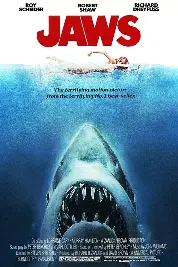
In June, local theatre-goers vacationing at Atlantic beaches in Maryland and New Jersey were afraid to go into the water, scared of sharks. Steven Spielberg’s blockbuster movie, “Jaws,” opened to terrified audiences that summer.
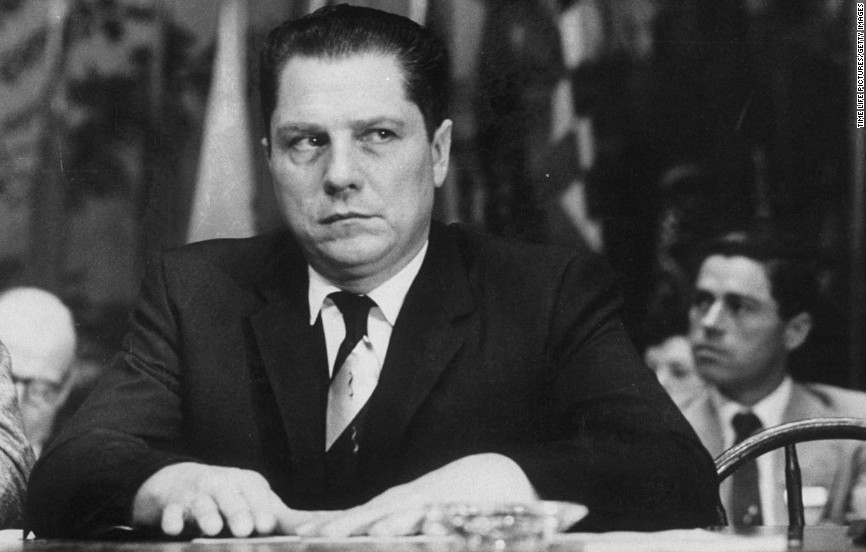
On July 30, 1975, Jimmy Hoffa vanished. The mysterious disappearance of the famous Detroit-based Teamster, who was a hard-nosed labor leader (with accused ties to organized crime), launched a national manhunt. Despite sensational news coverage and thousands of leads, Hoffa was never found.
Not all the news that summer was traumatic. Waynesboro’s Record Herald newspaper honored a “retiring” paperboy who delivered an estimated 111,000 papers on North and Church Streets. Mark Bollinger, 18, said his most difficult delivery spell was during Hurricane Agnes when it rained for three days, and “it was ridiculous trying to keep the newspapers dry.”
As Americans reeled from an often violent and unpredictable summer, they took refuge again in sports. When football season started that autumn, the Waynesboro Indians hoped to match the previous year’s stellar performance. The 1974 team, under the steady hand of Coach Bob Mesaros, finished unbeaten (9-0-1) and won the Tri-State football championship.
Waynesboro’s 1975 gridiron squad didn’t disappoint their fans. The team finished with only a single loss and repeated as local conference champions. After a final home-field victory against Martinsburg, a cheering crowd welcomed the Indians to the town’s square. Mayor Thomas Painter and High School Principal Louis Barlup congratulated the Indian football team, and Coach Mesaros said, “This is the finest team I’ve been associated with. I doubt these kids have much left to give after what they achieved this season.”
Penn State’s football team enjoyed a similar winning season. The Nittany Lions, led by Head Coach Joe Paterno, finished 9-3 and ended the ’75 campaign ranked 10th in the nation.
When the NFL season kicked off, the Steelers also buoyed local spirits by retaining their momentum and advancing to Super Bowl X, where they eventually defeated the Dallas Cowboys in January 1976.
The most tragic local story of 1975 occurred in Hagerstown. Merle Unger was a wanted fugitive notorious for escaping from local prisons. On the lam on December 13, Unger attempted to rob Kim’s Korner store in Hagerstown. Off-duty police officer Donald Kline was at the scene and tried to arrest Unger. A gunfight ensued, and both men were shot. The wounded Unger crawled into a nearby basement. Policeman Kline died at the scene. “He was a good cop and a friend,” the store’s proprietor said.
Unger was caught, tried for murder, and convicted. But in the following years, he escaped incarceration several more times and was eventually re-tried for his Hagerstown crime (and found guilty a second time), while setting a legal precedent in the process. That decision heavily impacted Maryland’s legal system, and due in part to an overturned state procedure, Unger was released from prison in 2022.
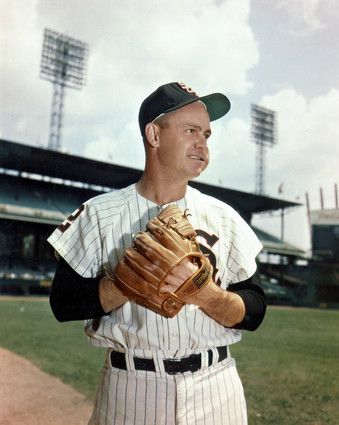
Local sports fans said an earlier tearful goodbye to Nelly Fox on Dec. 1, 1975, when the baseball legend died from cancer at age 47. Fox was known for his work ethic, squeezing every ounce of athletic talent from his diminutive frame.
The local press described his somber St. Thomas funeral as Fox was laid to rest at a grave “within a baseball throw from his boyhood home.” Fox was later posthumously elected to baseball’s Hall of Fame.
The country exhaled a deep breath after it weathered a turbulent year. But the USA also looked forward to its 1976 Bicentennial with undaunted optimism.
As 1975 ended, the U.S. Mint in Philadelphia released a commemorative coin in tribute to America’s upcoming 200th birthday. In 2026, the United States will mark its 250th anniversary, hopefully with a calmer year.