Ghosts of Antietam: Mathew Brady's Civil War photography and the journalism legacy he started at Sharpsburg
Article and Modern Photographs by Robb Helfrick
During America’s infancy, war was both an inevitable and too-common occurrence. The Revolutionary War was waged to win independence, and the War of 1812 was fought to remind Britain that the United States remained a sovereign nation. With a clear-cut enemy, American citizens rallied behind the flag and honored the service of its military heroes.
Early journalists and artists helped foster that sense of unity and national pride. But media from that era often created visual and written works that romanticized the causes or downplayed the realities of war.
America’s earliest military leaders benefited from those nationalistic efforts. George Washington was painted as a hero who crossed the Delaware River. Artists sketched fiery Andrew Jackson as he battled in New Orleans. Few citizens would ever see an actual human likeness or meet those famous generals, but in part through the artists who illustrated their war exploits, both men were later elected to the presidency.
Eventually, a new medium called photography was invented. This visual art form changed Americans’ perceptions of war by revealing the unvarnished truth about its harsh human consequences.
A central figure in the early history of photography was Mathew Brady. For a man at the forefront of recording 19th-century American life, Brady’s birth year remains a mystery. Sometime between 1822 and 1824, Brady was born in rural New York. As a young apprentice, Brady studied under Samuel Morse (inventor of the telegraph) and was taught one of photography’s earliest forms, called a daguerreotype.
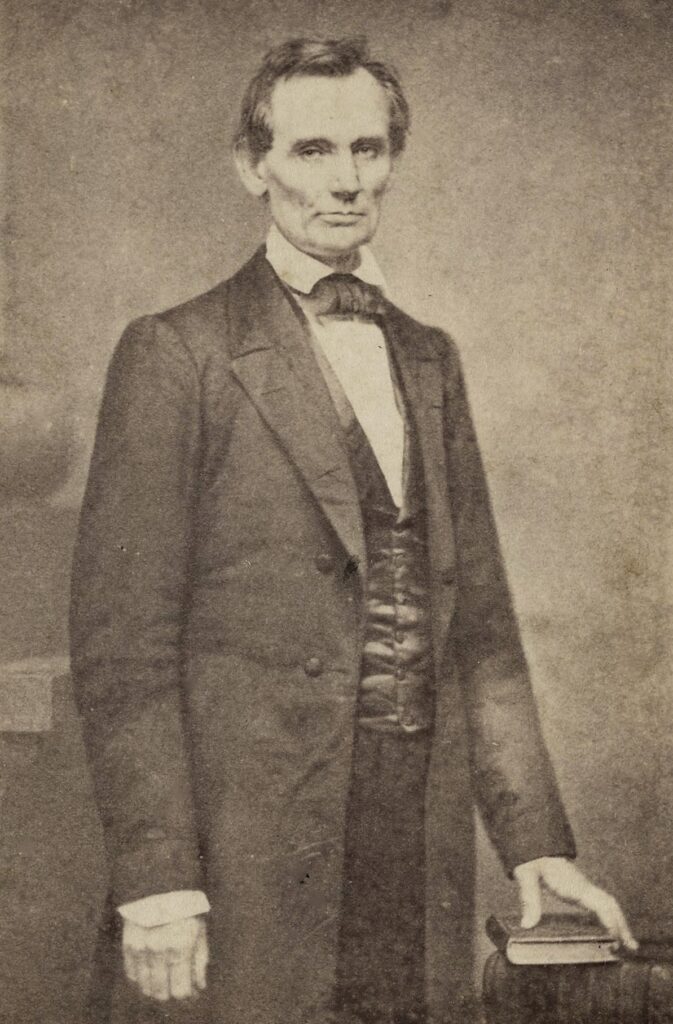
With intense ambition driving him, Brady soon began photographing up-and-coming leaders and prominent citizens. In 1860, he photographed a mostly unknown Illinois politician, known for eloquent speeches. Brady’s portrait of clean-shaven Abraham Lincoln gained national media attention.
Lincoln won the 1860 presidential election and credited Brady’s flattering photograph as a vital campaign tool. Mathew Brady’s later Lincoln portraits were ultimately used as models for the U.S. five-dollar bill and Lincoln penny.
When Lincoln was sworn into office, several southern states had already seceded. On April 12, 1861, the Civil War officially began.
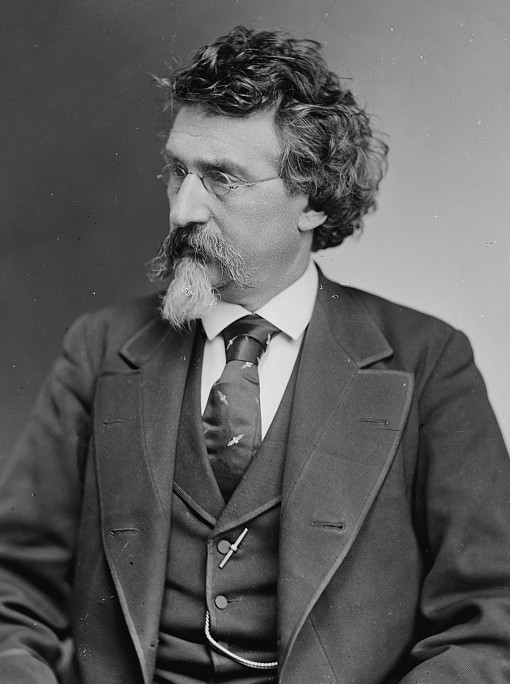
The war catapulted Mathew Brady into national fame. At first, his business model was providing young soldiers headed to war with pictorial mementos for loved ones back home. A personal photographic portrait was an affordable keepsake. Brady’s art was in high demand.
But Mathew Brady was a visionary and saw the Civil War’s historic significance. Many citizens assumed the conflict would be a skirmish, over in a few months. Brady thought differently and decided the epic event needed full documentation. To accomplish this task, Brady not only pioneered new photographic techniques and practices, but he also became the father of photojournalism.
Photography was a highly specialized skill and cumbersome process in the 1860s, and the medium was only a few decades old. Dangerous chemicals used in the development process were an industry hazard. Despite this risk, Brady created a mobile darkroom and delivered his equipment to the battlefield. He gained this special permission directly from President Lincoln.
Long shutter exposures were required during that period. Subjects had to remain perfectly still for up to fifteen seconds. Some sitters weren’t that patient, and their movement resulted in the ghostlike blurry forms of some subjects in many old photographs. Long exposure times also made photographing battle action impossible. But Mathew Brady realized one photographic subject never moved: dead bodies.
While Brady’s name is synonymous with Civil War photographs, he couldn’t cover the entire conflict alone. When the war spread to far-ranging states, Brady hired apprentice photographers. But he chose to credit all images with his studio identity, so a “photo by Brady” was often taken by a subordinate photographer. Some of his apprentices later became rivals.
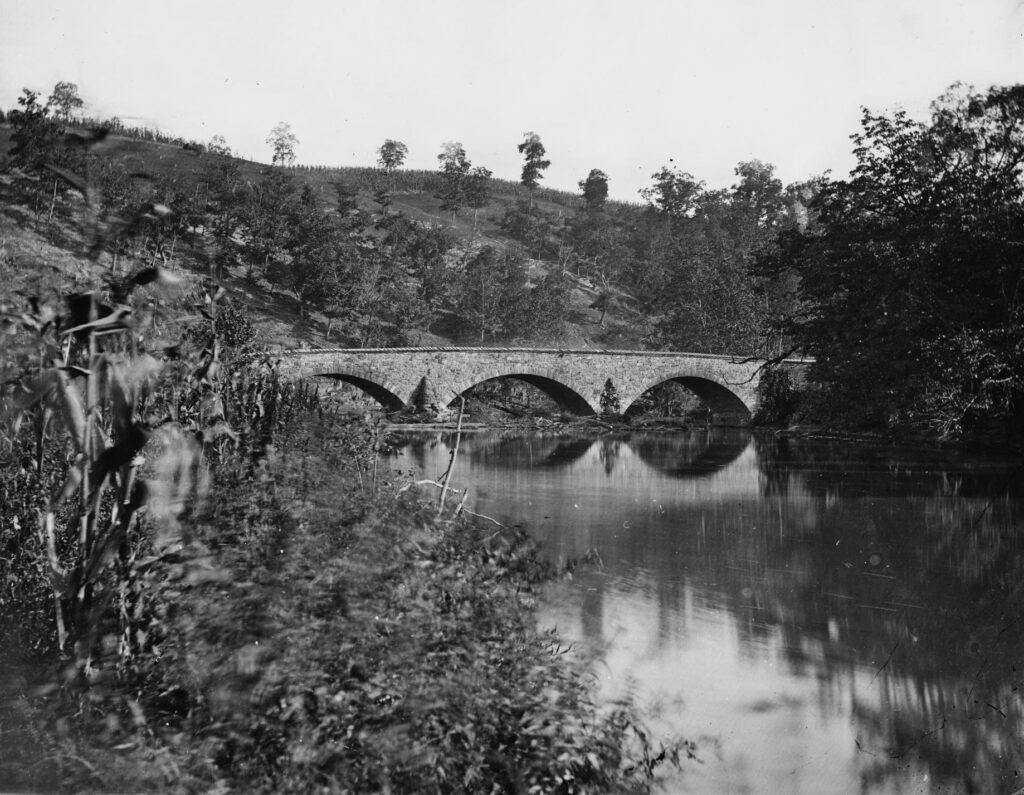
When the Maryland Campaign brought the Civil War near the Mason-Dixon Line, a fortuitous discovery gave the Federals an advantage. A copy of General Lee’s battle plans was found wrapped around three cigars. 87,000 troops massed around Sharpsburg in rural Washington County. The Battle of Antietam began on September 17, 1862. No one foresaw the carnage that followed.
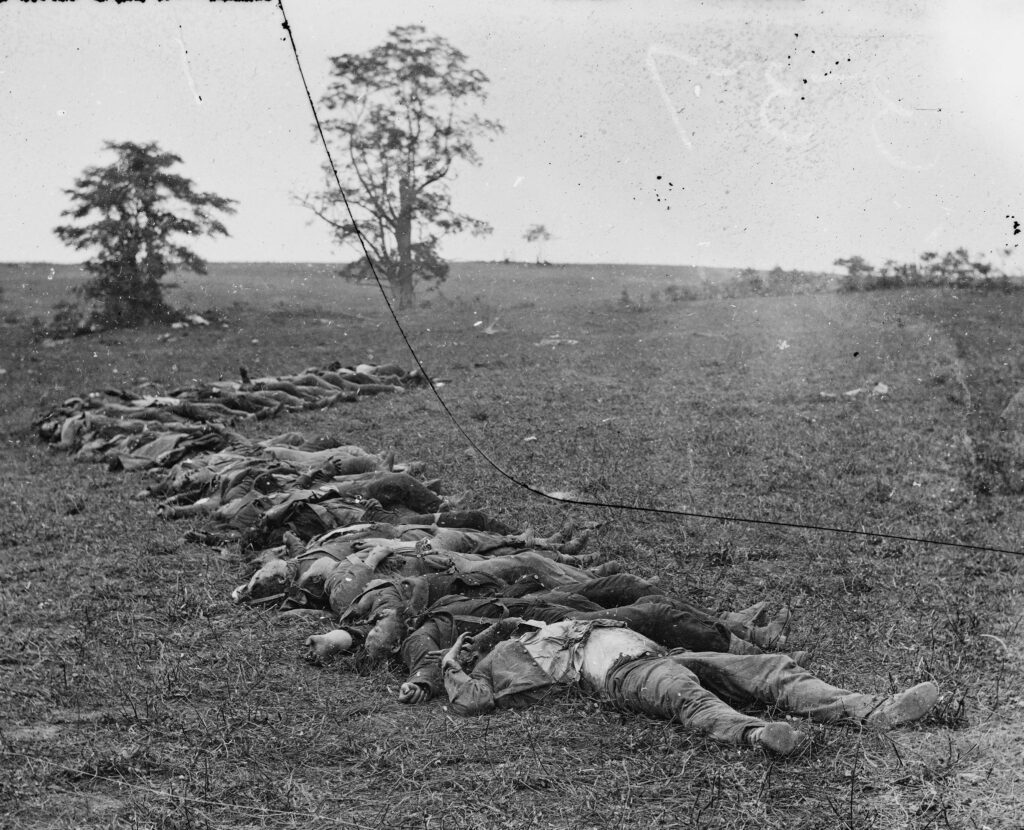
When the battle was over, the Union gained a tactical victory, but almost 23,000 northern and southern men were wounded or killed. It remains the bloodiest day in American history. At one battlefield location, dead men covered the ground, pooled in the depression of a sunken road. That awful site became known as “Bloody Lane”.
Mathew Brady managed his war efforts from studios in Washington, DC, and New York City. While he spent little time on battlefields, Brady acted like a film producer, directing his men to capture battle results as realistically as possible.
One of his employees, Alexander Gardner, was a skilled photographer who worked at Antietam. The Scottish immigrant saw the horrific aftermath, with scores of dead soldiers awaiting burial. Gardner diligently photographed various scenes, documenting a grisly human landscape.
Mathew Brady wanted those battlefield images publicized. One month later, he opened an exhibition in New York titled, The Dead of Antietam. The public, accustomed to seeing artificial war illustrations, was shocked.
One newspaper editorial said: “Brady has laid the Civil War dead at our doorways and in our yards.” The blunt published photographs showed the youthful innocence of killed soldiers, while they suffered the post-battle indignity of lying dead in a field like a wild animal.
An outraged public demanded that leaders from both sides find a negotiated truce, but the killing continued. Ten months later, the Civil War came to Gettysburg, and the horrific casualty numbers nearly matched Antietam’s.
Brady’s photographers arrived in Gettysburg, too, capturing on film post-slaughter scenes at places like Devil’s Den and the Wheatfield. America learned why Union General William Tecumseh Sherman said, “War is hell.” Brady and his photographers helped them see that undiluted truth.
When the war finally ended in 1865, Mathew Brady’s continued success seemed guaranteed. He expected the U.S. Government would purchase his immense library of Civil War images. Brady spent over $100,000 of his own money (equivalent to over $1.5 million in today’s currency), creating over 10,000 battlefield scenes.
But post-Civil War America had seen enough, and wanted the conflict’s butchery forgotten. Brady and his men had done their job almost too well, and the government declined his portfolio. Had Abraham Lincoln survived an assassin’s bullet, perhaps that outcome might have been different.
Despite photographing 18 American Presidents and documenting the country’s most epic event, Mathew Brady died a blind and destitute man in 1896. As a final insult to his sad ending, Brady’s original gravestone in Washington, DC’s Congressional Cemetery incorrectly listed his demise as 1895.
However, Brady’s significant influences were eventually celebrated. Future photojournalists were inspired by his work. Fifty-eight years after his death, the Library of Congress finally purchased Brady’s war portfolio, securing his legacy.
In 2022, Congressional Cemetery dedicated a new Mathew Brady Memorial, which included life-sized bronze statues of Lincoln and Frederick Douglass.
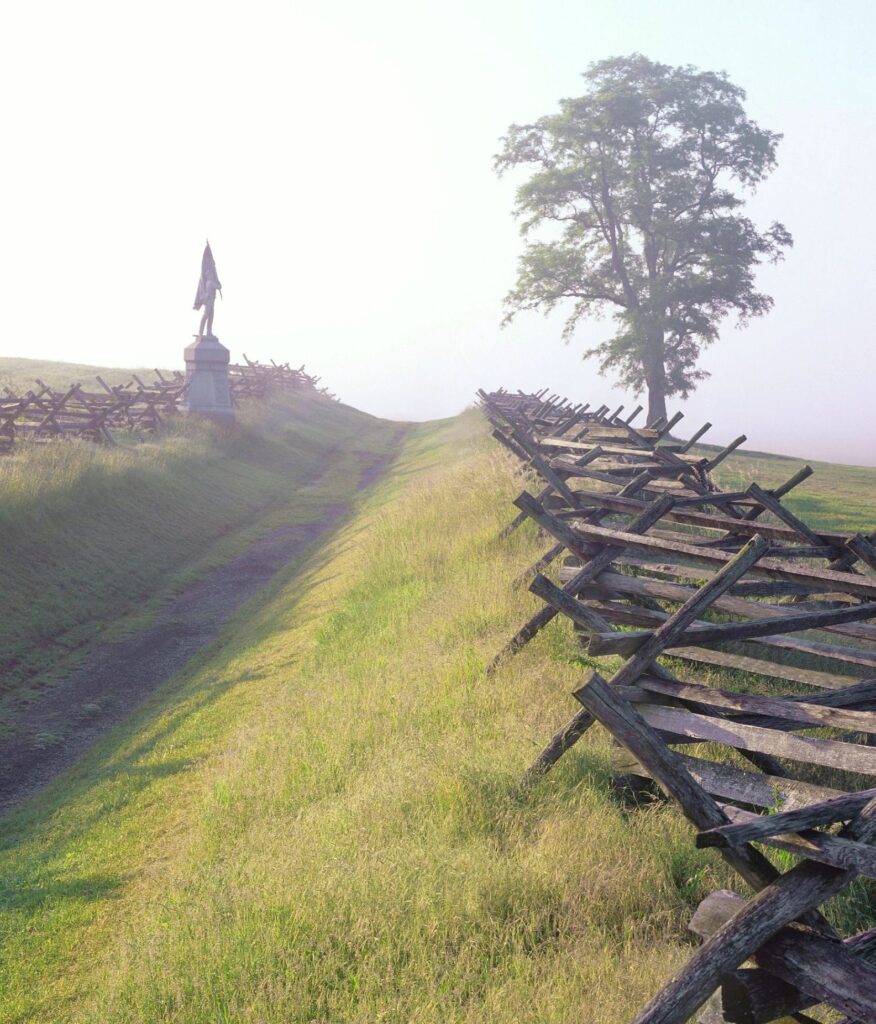
Today, visiting Antietam, it’s difficult to imagine how mass killing occurred in such a pastoral and peaceful landscape. Even a contemporary photograph of the infamous sunken road stimulates similar emotions to those bygone paintings and drawings- the mown grass and rustic rail fencing soften the now hidden human toll of that brutal battle.
For a proper historical perspective, the images Brady and his team created over 160 years ago still teach the best lessons. Those photographs shock modern senses to the awful truths told by the ghosts of Antietam.