
MAKING A POT OF CHILI: A CREATIVE PROCESS, LIKE WRITING A FIRST DRAFT
By The Daily Boro Staff
You enjoy cooking for others, and making chili is a favorite creative challenge. But before you begin, set aside the image of a reality-show host with a bolo tie and Stetson directing nervous contestants. Don’t picture that chef announcing: “In front of you are three ingredients: garbanzo beans, chicken gizzards, and crushed almonds. You have free rein with the spice rack. Now make chili. You have eight minutes–go!” The reality is, making chili isn’t an extreme sport, but it is a thoughtful process.
It’s also wise to forget that chili cook-off you competed in last summer, when you dreamed of taking the stage and basking in the glory of a grand-prize-winning creation. Now is not the time to revisit disappointment; you’re just making a meal, not seeking a Pulitzer Prize.
Start by using a favorite old pot. That red ceramic crock is always handy, the interior stained from prior efforts that color it with a distinctive orange-brown hue.
Gather your ingredients. Keep in mind, these items will fluctuate with your mood. Yes, you’ll need some type of meat for the chili. Your variety is kept secret from first-time diners. You don’t want them prejudging your chili before they’ve tasted it.
Dark red kidney beans are a staple. When you open the cans, the aroma might be off-putting, but don’t worry, they’ll blend in just fine. Some type of canned tomatoes is required, sometimes crushed, at other times diced, and often a combination of both. Don’t sweat it.
The spice choices are wide open, but chili powder and red pepper are vital. Not much more is needed; remind yourself to keep it simple, you’re not Gordon Ramsay.
Mix your components joyfully. Your first essential task is to achieve the right thickness. Not too runny like soup, but not chunky like stew. You’ll master the proper viscosity after about a hundred attempts. The first aroma wafting from the pot won’t impress, but you’re only getting started.

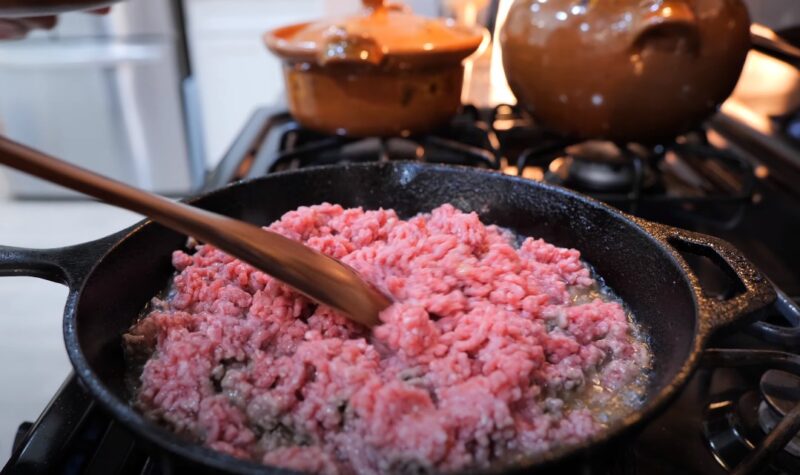
While you’re cooking, someone will inevitably waltz into the kitchen. They will ask an innocent question: “Chili tonight?” You’ll politely answer: “No, not this evening.” “But it smells wonderful,” they’ll say, “why can’t we eat it tonight?” Hold your ground; you are the chef, and you pick the timetable for the meal.
Slowly bring the pot’s contents to a boil. How you’ve cooked in the past means everything and nothing. Be selective with the spices, but don’t put them away too soon. Sample your attempted masterpiece. You may judge it bland at first, but you will also worry about making it too spicy for potential diners. Go slow, you’re just starting. Let it simmer. Resist the urge to let your significant other taste it; don’t allow anyone near your chili.
Wander around the house and listen to some music from your childhood. Marvel at how the instruments and voices blend to create a unique sound. Play air guitar if the mood strikes and let the music inspire your cooking. Retaste your evolving creation. Ask yourself, am I feeling playful? Should I add some nutmeg? Maybe not today, it’s only day one.
Some days, the chili pot will sit on the stovetop for hours. On other days, you can’t be bothered babysitting it. That’s normal. Stir it when you feel motivated. The ingredients are already melding and working their magic independently. But stay focused and don’t burn the chili; that is your sole concern.
The color of the chili will be distinctive. Yours is the shade of a rusty Buick parked in the late afternoon sun. Kidney beans float peacefully in the broth like tiny canoes among blobs of cooked meat and melting tomatoes. Lose yourself in the ladle’s motion as it glides through the steaming mixture. Later, turn off the burner and let it cool. You’ve done enough for one day.
Ignore the temptation to taste your chili one last time as you place it in the fridge. Secure the lid and go about your normal routine. You’ve probably created something extraordinary, but are uncertain if others will agree. Tomorrow is another day and then the verdict will be pronounced.
Pre-visualize your chili’s ultimate next-day success as you snack on Doritos. Whatever you do, don’t turn on the TV and tune in to the Food Network. Sit down, chill, and revise your novel.
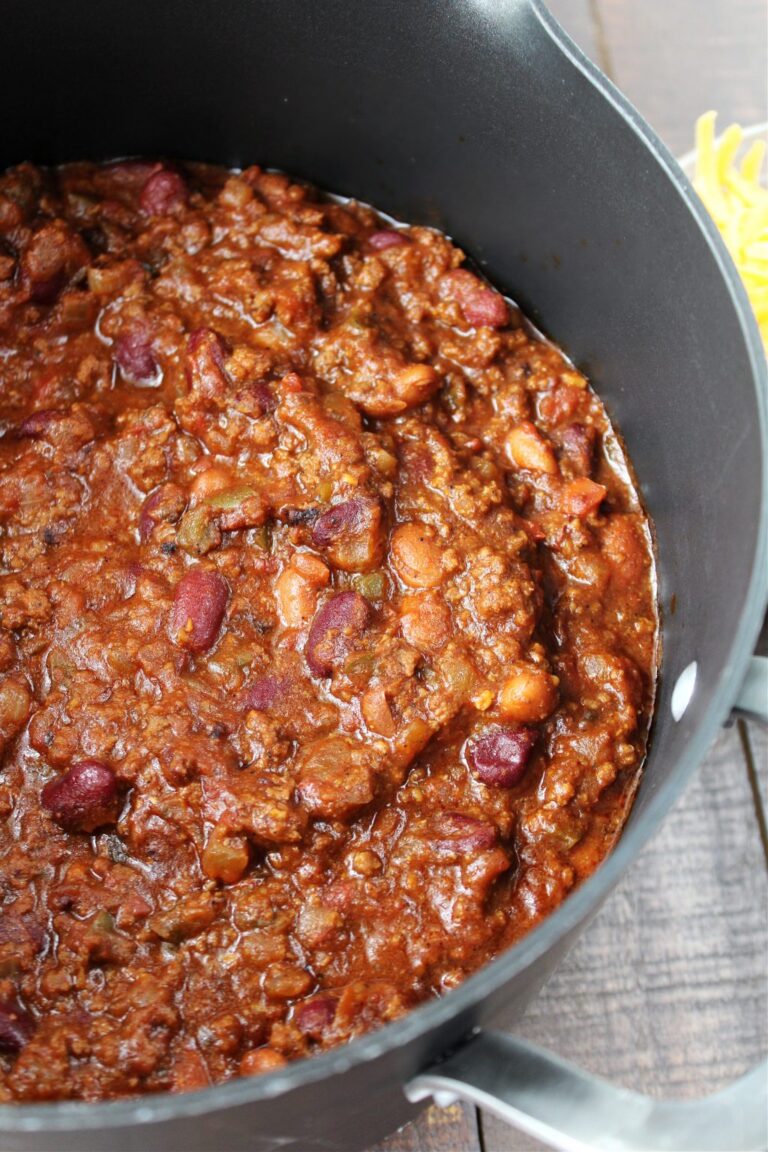
You have a small cult following that enjoys your chili. They yearn to know your cooking technique. Your chili often surprises them but somehow retains a soothingly predictable base flavor. Invite your fan club to dinner the next night. Don’t worry about disappointing them, even though you risked their undying devotion with that pinch of nutmeg.
The next morning, stare at the pot as it sits on the second shelf next to the leftover pork and sauerkraut. Don’t despair; that two-day-old meal is securely stored in Tupperware, and its pungent scent won’t contaminate your chili.
It’s alright to take a cold taste of your first day’s work. It’s probably still underwhelming yet heartier than the prior day. As you bring the pot to a simmering bubble in mid-afternoon, continue tinkering. Don’t go overboard; focus on spiciness and your flavor vision. Let the aroma drift around the house. If the dog stays in the kitchen, you may be on the right track.
When dinnertime approaches, pull out those rustic ceramic bowls that your ex created on a pottery wheel. Seeing that handiwork, all past transgressions are forgiven. Retrieve the cloth napkins you brought back from Santa Fe for an added splash of southwest atmosphere. Votive candles are an excellent mood-setter, and a bottle of red is always in order. Don’t expect your chili to be the solo star; be sure to have sour cream and shredded cheese available.
Despite past praise for your chili, you’ll be nervous as guests take their first bite. Some of the more discriminating palates will detect that hint of new spice. You pour more wine before you divulge your nutmeg experiment. Your dining companions will likely offer accolades for your creative use of spices. But you’ll secretly question if they’re simply being nice because they want more vino.
You may also suspect you’ve gone too far with the red pepper when water flows like wine. It’s alright; a little spiciness livens up a meal and tests the temperament of the tongue.
Always remember it isn’t the chili alone that makes the dinner memorable, but the fellowship and conversation it evokes. Around the table, you swap cornbread recipes and discuss the intricacies of the digestive tract. One friend admits his once cast-iron stomach now requires an after-dinner handful of Tums.
If your chili is a true success, most of the guests will take leftovers home. You’re confident it will taste even better the next day. After it rests, it’s always at its best.
As the evening winds down and everyone goes home, it’s time to clean up and envision the next cooking session. It wasn’t the perfect pot of chili, but it was more original than the last batch.
You’re hopeful that the next time you’ll create the ultimate pot of chili. Like a writer crafting a novel, cooking can be like creating a first draft. Each successive revision brings out a tastier version in a quest for Con Carne nirvana.