BOOK REVIEW: “BLACK ANTIETAM, AFRICAN AMERICANS AND THE CIVIL WAR IN SHARPSBURG,” BY EMILIE AMT
By The Daily Boro Staff
The Civil War battle known as Antietam, fought at Sharpsburg, Maryland, on September 17, 1862, was the bloodiest single day in American military history. Multiple authors and historical organizations have published many accounts of its carnage. An on-site National Park Battlefield commemorates the sacrifices and documents the horrors that soldiers endured, also suffered by native Marylanders.
Yet, until recently, those stories have been told from the perspective of the Caucasian civilians and military individuals who witnessed or participated in Sharpsburg.
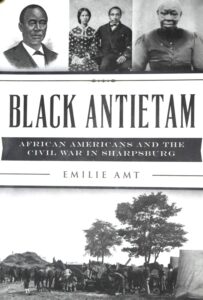
A book by Historian Emilie Amt titled “Black Antietam,” published by The History Press (historypress.com), highlights for the first time the roles and first-hand accounts of Sharpsburg’s African Americans before, during, and after the famous battle.
This expertly researched and well-written book details “a turning point in African American history” and explains how Black citizens experienced and responded to an epic event that served as a prelude to the Emancipation Proclamation and their eventual freedom.
Emilie Amt has earned a well-respected pedigree for historical studies in Western Maryland. She is an emeritus professor of history at Hood College and an award-winning author of African American history.
With a doctorate in history from Oxford University, Amt has published many books and articles on warfare, women’s history, and religion. She strives to make local African American history accessible through blogging, historic preservation, and genealogy. Amt was a key advocate for the recent restoration of an African American cemetery in Halfway, Maryland.
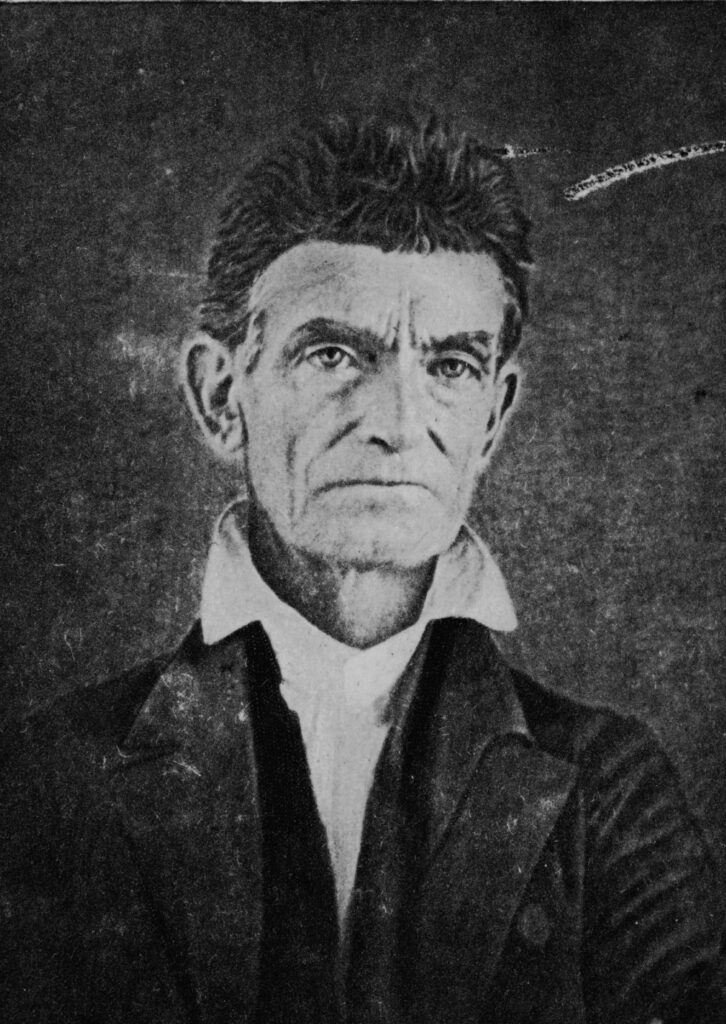
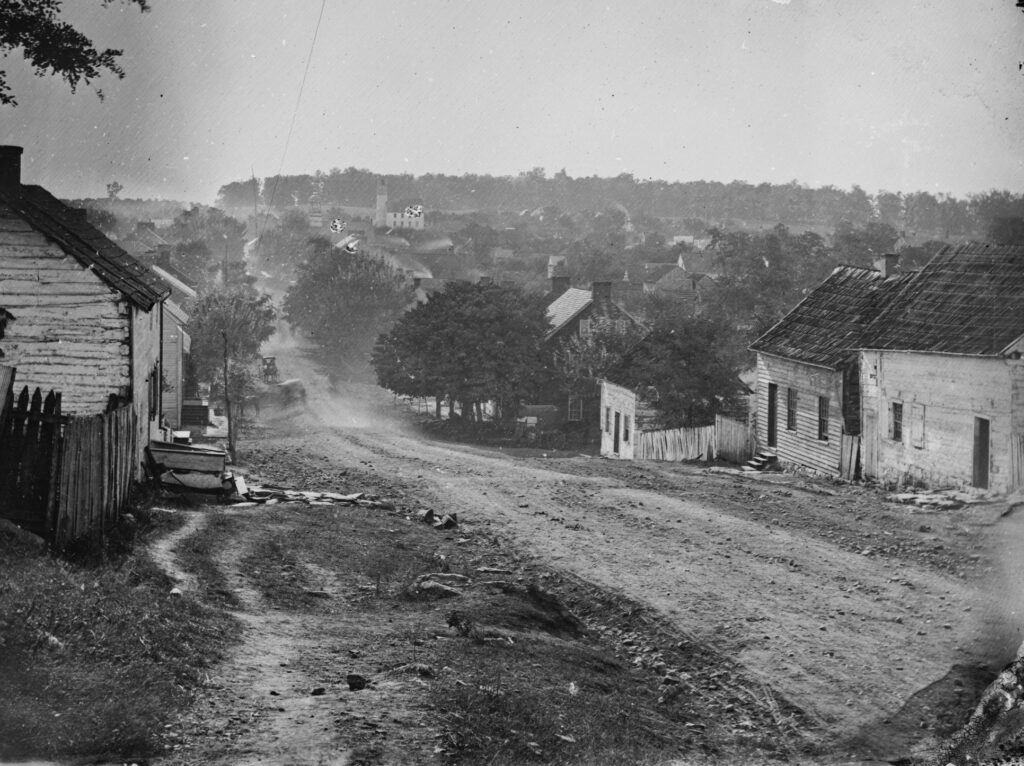
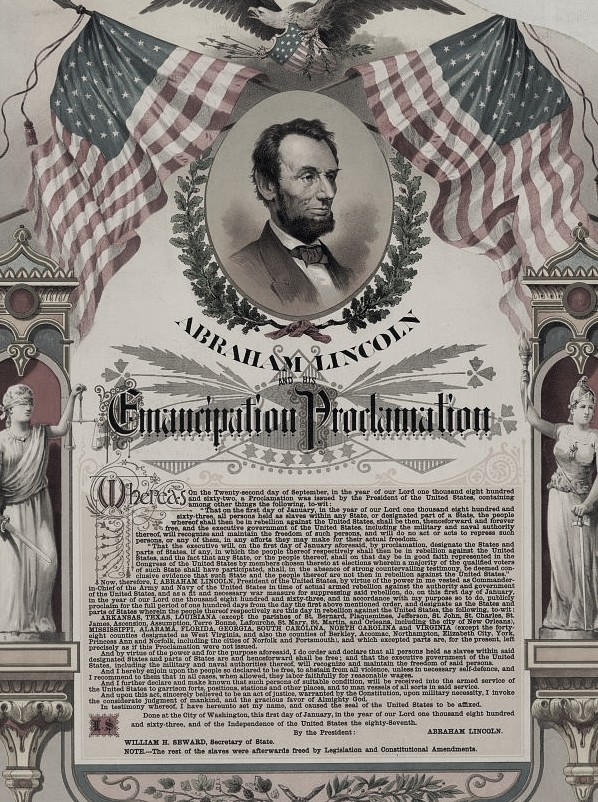
Amt’s book focuses not only on the day the Antietam battle took place but also sets the scene for how past African Americans lived in the area leading up to the Civil War, and why that event shaped their lives for years afterward. Black Antietam includes accounts of John Brown’s raid at Harpers Ferry, the Battle of South Mountain, Abraham Lincoln’s issuance of the Emancipation Proclamation, and other unique events that paved the pathway toward freedom for Black Americans.
Black Antietam succeeds in telling a vivid story by using recollections of 1862-era African American Sharpsburg residents, both free and enslaved. The book describes their encounters with Northern and Southern troops and the complexities of Black lives in a state that permitted slavery but didn’t join the Confederate cause. Amt explains the local political and societal experiences of the people who survived those turbulent times.
The author’s research brings this chapter of history alive, as Amt gives voice to African American stories that are revealing and often tragic and were overlooked or ignored in past historical accounts. She also dispels myths and misunderstandings from that era, including the fact that Lincoln’s Emancipation Proclamation didn’t free a single slave in Maryland, only those enslaved in states in rebellion against the Union. As a result, Marylanders held in bondage lived in a unique state of unfortunate limbo, neither free nor assured future human rights by the document’s noble yet political purpose.
Who were the African Americans who lived in Sharpsburg during the 1860s, and what did their lives entail? Amt introduces some of those people to paint an interesting portrait. These individuals include Rev. Daniel Ridout, remembered through excerpts of a biography written by his son, Archie, who was a small boy during the battle. Archie remembered a world turned upside down and how he watched military men drill nearby, then yearned to be a Union soldier to defeat the Rebs.
Another man was Hilary Watson, interviewed for a 1915 book, and described by the author as a “white-haired patriarch who lived in a log cabin on a narrow back lane.” Watson was a thirty-year-old man when the Civil War erupted. His wife, Christina, also gave her wartime account, “seated in a rocking chair in her tiny sitting-room with a shawl over her turbaned head.”
Amt also found accounts from two African Americans from opposite stations within Sharpsburg’s society. Jerimiah Summers was 15 during the conflict and enslaved on the Henry Piper farm, situated in the center of the battlefield. The other man was Thomas Barnum, a farm owner who was reportedly the wealthiest African American in Washington County at that time.
In 1860, more free people of color lived around Sharpsburg (210) than enslaved people, who numbered 150. Many of the free Black citizens possessed mixed Black and white ancestry, a “result of sexual exploitation by white men who could use enslaved female Black women as they chose.” Some families of color also had Native American ancestry.
Amt noted that the African American residents formed a single community in many ways. “When they were divided, it was not by ethnicity, but by whether they were enslaved or free.”
Slavery in Maryland was on the decline as the Civil War approached, yet this did not ease the tension felt by its free or enslaved residents. The book describes how “Slave traders prowled the region, seeking to buy people to sell into the Deep South, which was hungry for slave labor. In the seventy years before the Civil War, approximately 185,000 Marylanders were sold south.”
Author Amt noted that slavery in Maryland was often described as “mild” since local living and working conditions were less horrific than at southern plantations, but the institution was rooted in violence. One former slave from a Sharpsburg farm related: “I have seen men tied up, whipped, shot, and starved…The slave never knows when he is to be seized or scourged.” Along with those miseries, slave owners broke up untold numbers of African American families when they sold individuals as property to another master.
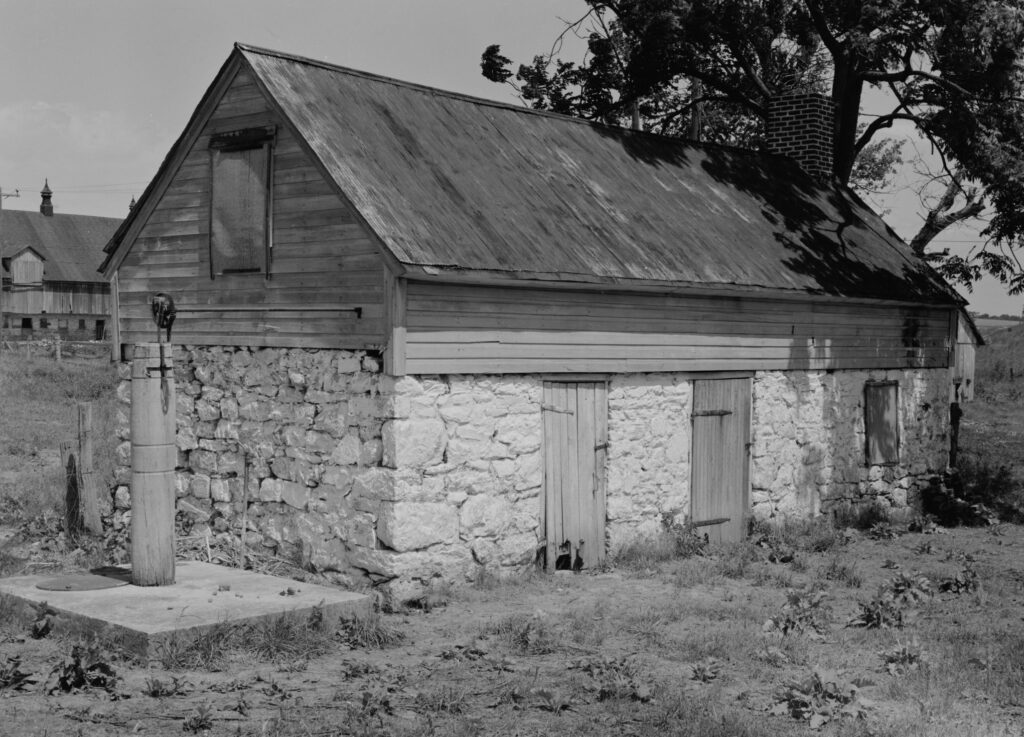
The book recounts numerous stories from the epic Battle of Antietam, told from the perspectives of African Americans. Amt’s synopsis of these accounts also describes her challenges to find and decipher information previously hidden or unavailable. “These short anecdotes, indirect accounts, and inferences are the only glimpses we have of the battle itself from the perspectives of hundreds of Black witnesses who saw and experienced some part of it. None of them left written accounts, and vanishingly few of them were interviewed about the battle later on.”
After vivid eyewitness accounts that describe many narrow escapes, including “bullets whistling past them; shells bursting nearby; soldiers killed right next to them,” the firing finally stopped.
The book concludes with a revealing account of the post battle events when African American soldiers joined the Union cause. In conclusion, Amt describes how Black Americans viewed their new lives in a final chapter titled “The Crucible of Freedom.” With an epilogue and appendices supplementing her chapters, Amt delivers a unique portrait of Antietam by presenting new perspectives and unveiling untold prior events.
For Black Americans, the struggle for freedom was far from over. Author Emilie Amt summed up that reality in Black Antietam’s final pages. “It would be a long time before even a semblance of normality could return for anyone who lived in Sharpsburg. Though no one knew it yet, the overall impact of Antietam would be the greatest of all for African Americans.”