THE ORIGIN OF THE THANKSGIVING HOLIDAY AND HOW WAYNESBORO CELEBRATED IT THROUGHOUT THE YEARS
By Robb Helfrick
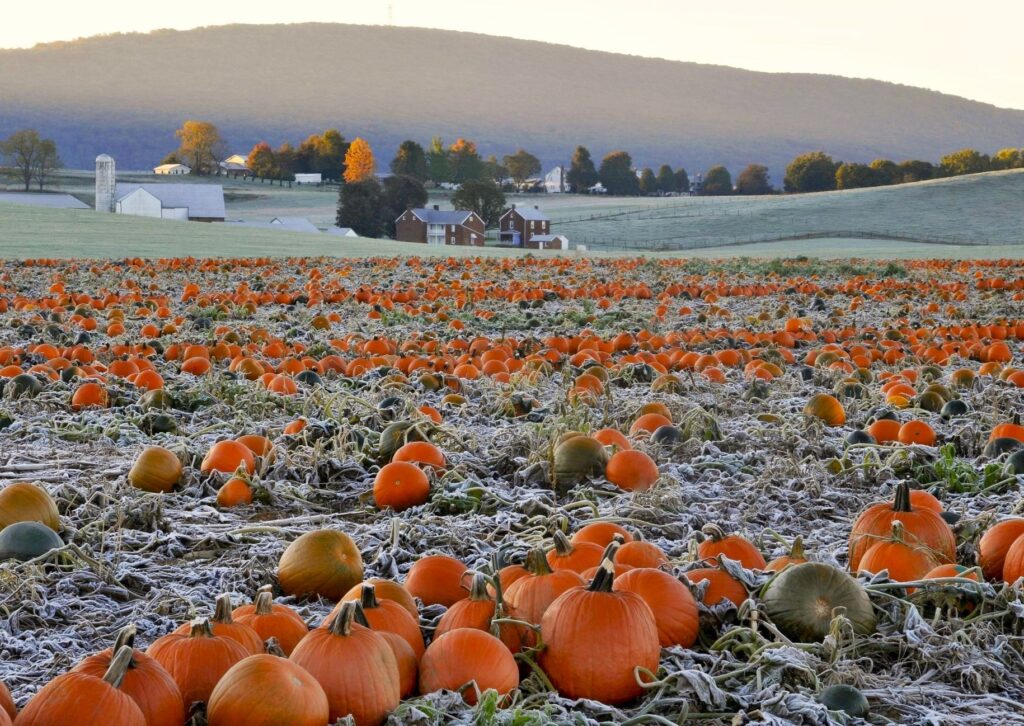
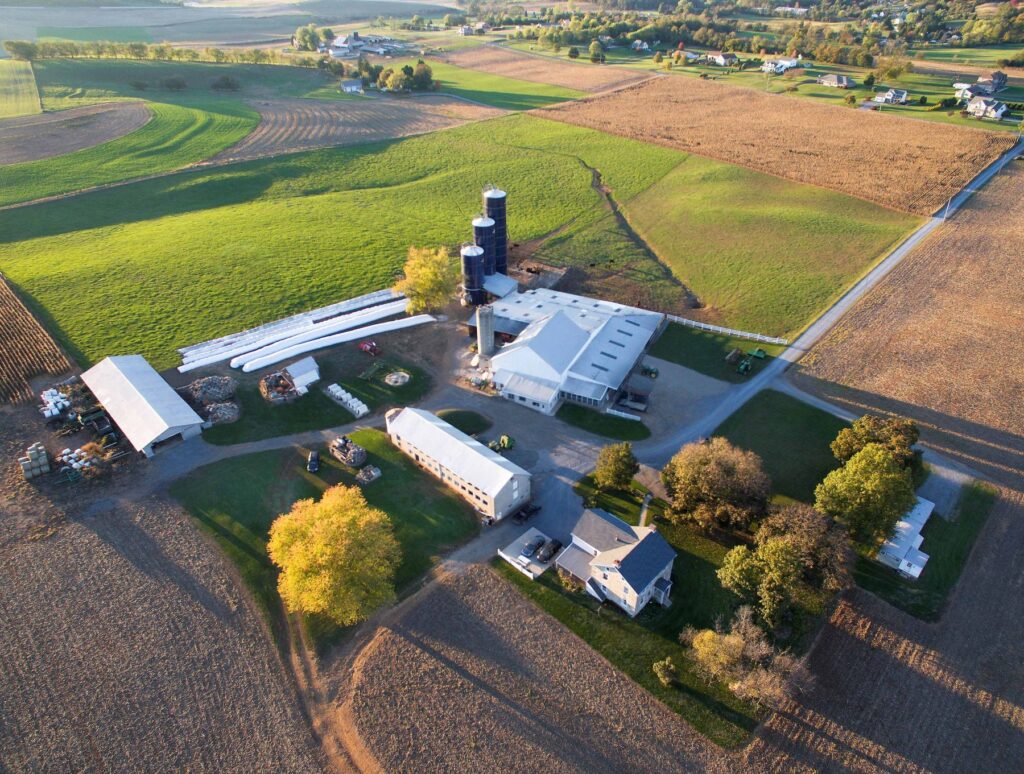
As autumn winds down and Thanksgiving Day nears, a look back into history reveals fascinating people and memorable events that helped shape a treasured American holiday. With the area’s agricultural landscape serving as a pastoral backdrop and a wealth of historical Pennsylvania stories providing inspiration, Thanksgiving traditions blossomed here over the past 150 years.
Before the Civil War, Thanksgiving was a concept, not a holiday. Tracing back to the Pilgrims’ first celebration during their settlement days in New England, the idea of giving thanks for a fruitful fall harvest was primarily a Northeastern ritual.
Several regional states, including Pennsylvania, observed Thanksgiving annually long before other regions of the country fully recognized it. For many 19th-century Americans, Thanksgiving didn’t exist. For others, it was a localized event observed with dissimilar customs and celebrated on different days.
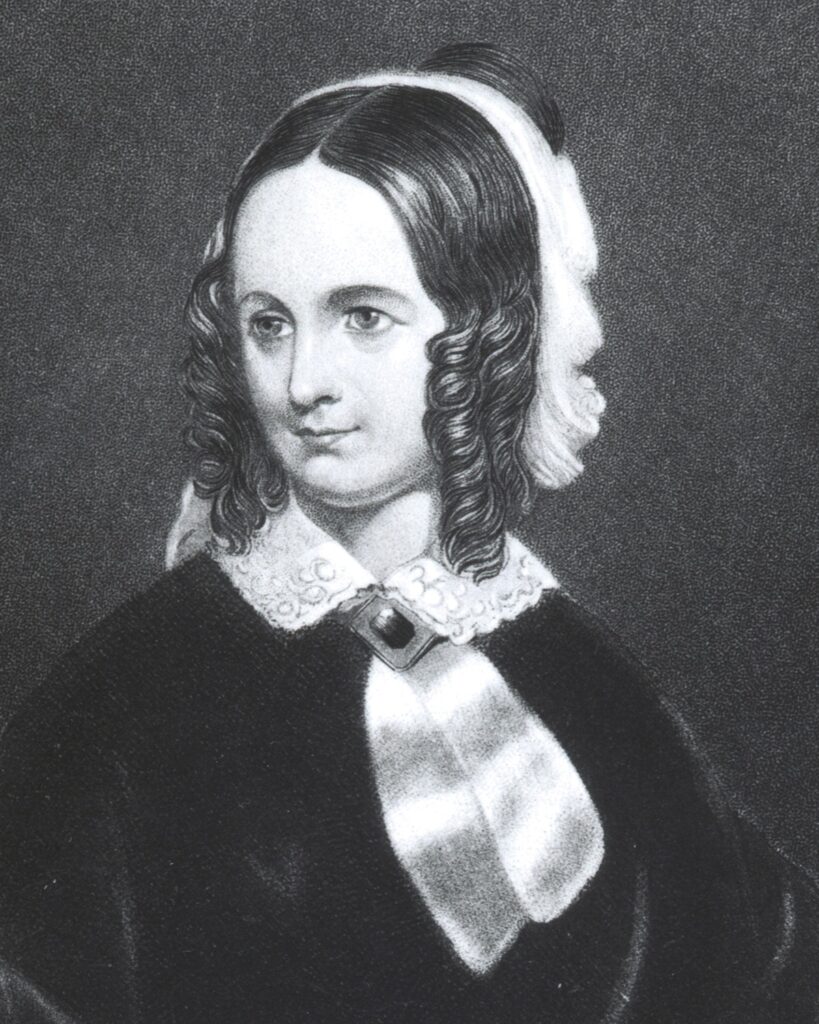
Then, a transplanted Pennsylvania woman who championed an organized national holiday appeared. Her name was Sarah Josepha Hale, and she became the “Mother of Thanksgiving.”
Hale was born in New Hampshire in 1788 and matured into a remarkable woman. Married at 25 to lawyer David Hale, she bore five children but became a young widow only nine years into her marriage. Shouldering the weight of raising a family alone, Hale turned to her writing skills, and a successful and influential career ensued.
Hale became a poet and one of America’s first female novelists. Her early claim to fame was the poem “Mary Had a Little Lamb.” Hale also fought for a Bunker Hill monument in Massachusetts and was an advocate for saving George Washington’s Mount Vernon estate in Virginia.
Hale came to Philadelphia as the editor of “Godey’s Lady’s Book” and during a 40-year stint, gained notable power as an arbiter of American taste and social graces. In the 1840s, she channeled a strong desire for a nationally recognized Thanksgiving Day into concrete action.
Hale wrote articles calling for its creation. She also shared opinions on how to observe it. Hale also started a letter-writing campaign directed at American Presidents. From the 12th to the 15th administrations, she wrote tirelessly, but her Thanksgiving pleas fell on deaf ears.
Then, in 1863, Hale’s hard work and dedication finally paid off. That summer, Union and Confederate forces fought at Gettysburg. After an epic battle with horrific casualties, the North won a decisive victory.
Two months later, Hale sent the wartime president another impassioned letter, saying she yearned to secure “the permanency and unity of a Great American Festival of Thanksgiving.” She urged Abraham Lincoln to make an immediate proclamation to celebrate it that year.
The President appreciated Hale’s wisdom and understood its symbolism in a time of national upheaval. He reacted quickly, proclaiming the fourth Thursday of November a national holiday.
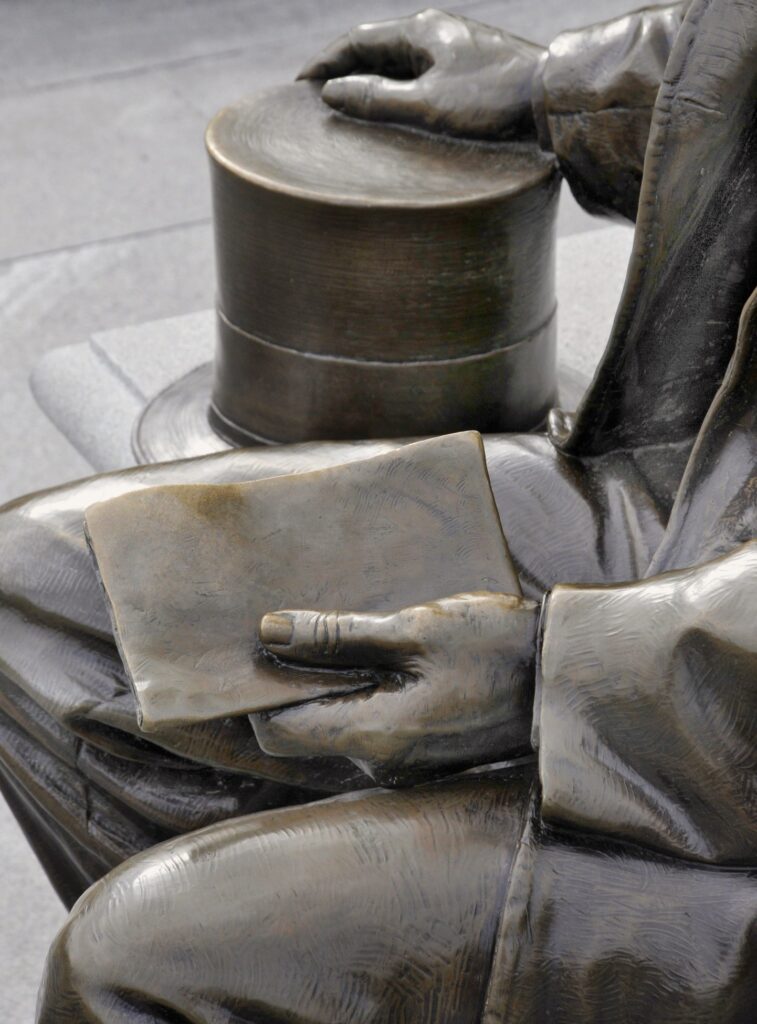
A few weeks later, Lincoln unofficially christened Thanksgiving early when he traveled to a Gettysburg cemetery to deliver his famous address on November 19th, giving thanks to brave men who died preserving the Union.
After the war, Americans settled into a reunited country, and Franklin County citizens interpreted the importance of the new Thanksgiving holiday. Revisiting headlines and bylines of local newspapers, many traditions are noticeable. Some slowly formed over decades, while others quickly jelled.
The Waynesboro Village Record, an early rendition of the Record Herald newspaper, called itself “A Family Newspaper- Devoted to Literature, Local and General News, Etc.” The daily publication offered yearly commentary about the new holiday during the latter half of the 1800s.
Sharing stories and viewpoints that were often whimsical, at other times dramatic, the paper highlighted how locals developed new traditions centered on the Thanksgiving holiday.
At first, local celebrations were mild-mannered, with the paper saying on one Thanksgiving Day the stores in town “will be closed, we presume”, with “public services at one or two churches during the morning.” As local ministers preached the religious aspects of the holiday, the celebration later evolved into a more pious and spirit-based affair.
Soon, the newspaper covered the upcoming schedules of local Thanksgiving church services. They stated those festivities were celebrated with “sobriety and good order” in contrast to prior years when non-church events exhibited too much “revelry and dissipation.”
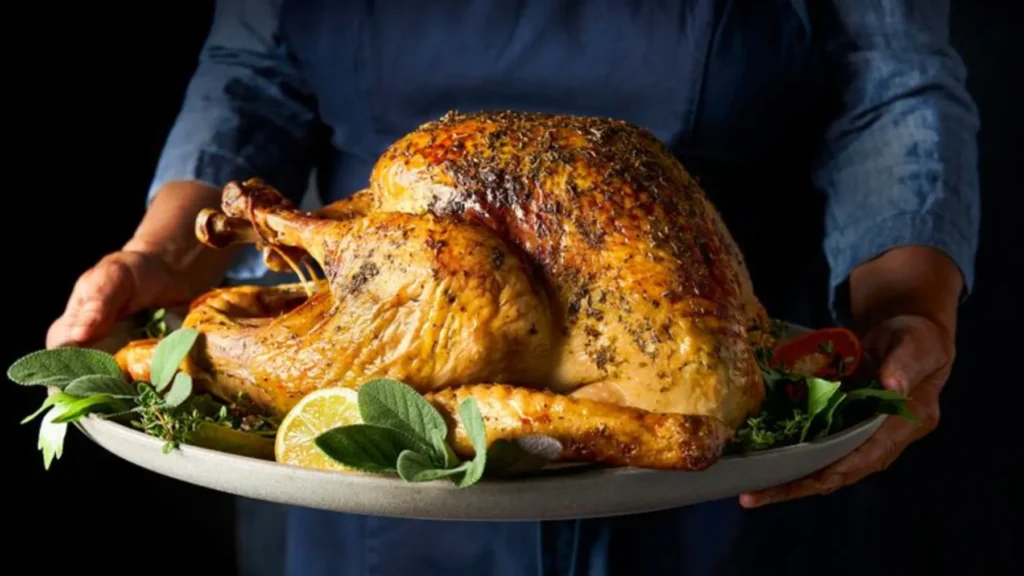
One tradition that seemed to form quickly was the annual feast’s menu. Legend says Pennsylvania’s Ben Franklin nominated the wild turkey as America’s first national symbol over the bald eagle. Instead, the turkey became the main course of most Thanksgiving meals.
In local communities, where agriculture was predominant, the annual event was seen as a farmer’s holiday as they celebrated a bountiful harvest and also supplied the meat and vegetables for community meals throughout the Cumberland Valley. “With the large demand for turkey, the bird has become essential to the Thanksgiving feast,” an editorial said.
Annual newspaper articles espoused the exalted virtues of the turkey. One 1898 story, titled “Turkey Thoughts”, said, “Turkey is a bird among birds, a dish among dishes, a dream among dreams.” The article also suggested: “Even canned turkey has its charm.”
As the new century neared, America entered a foreign conflict that tested the nation’s spirit. In 1898, when the Spanish-American War erupted, Thanksgiving served as a countrywide rallying cry for its soldiers and a prayer for their safety.
After World War I ended in 1918, the local Thanksgiving celebration focused again on a military victory. With the peace treaty signed on November 11th that year, another important November holiday was later created: Veterans Day.
During the 1900s, Thanksgiving also became a force for altruism by helping the less fortunate in local communities. In 1906, the Waynesboro Relief Association sponsored a Thanksgiving dinner at Market House, where they fed 147 children. The feast “carried good cheer to the little ones…who will tell you it was g-l-o-r-i-o-u-s!”
Pomp and pageantry became another aspect of the annual November tradition as parades marched down Franklin County streets. A grand Odd Fellows parade took place on a cold November day in Greencastle. Local newspapers also reported on glamorous Thanksgiving parades in New York and Philadelphia.
During the Roaring 20s, despite Prohibition being the law of the land, many local tables still had wine or spirits to complement the Thanksgiving feast.
In 1923, America’s new President, Calvin Coolidge, had two sons attending Mercersburg Academy. Under the headline “No White House Bird for Coolidge Boys,” the Waynesboro paper said the duo would suffer a “melancholy dinner” at school since the Academy only granted a one-day break from studies, and the taciturn President forbade his sons from missing a single class.
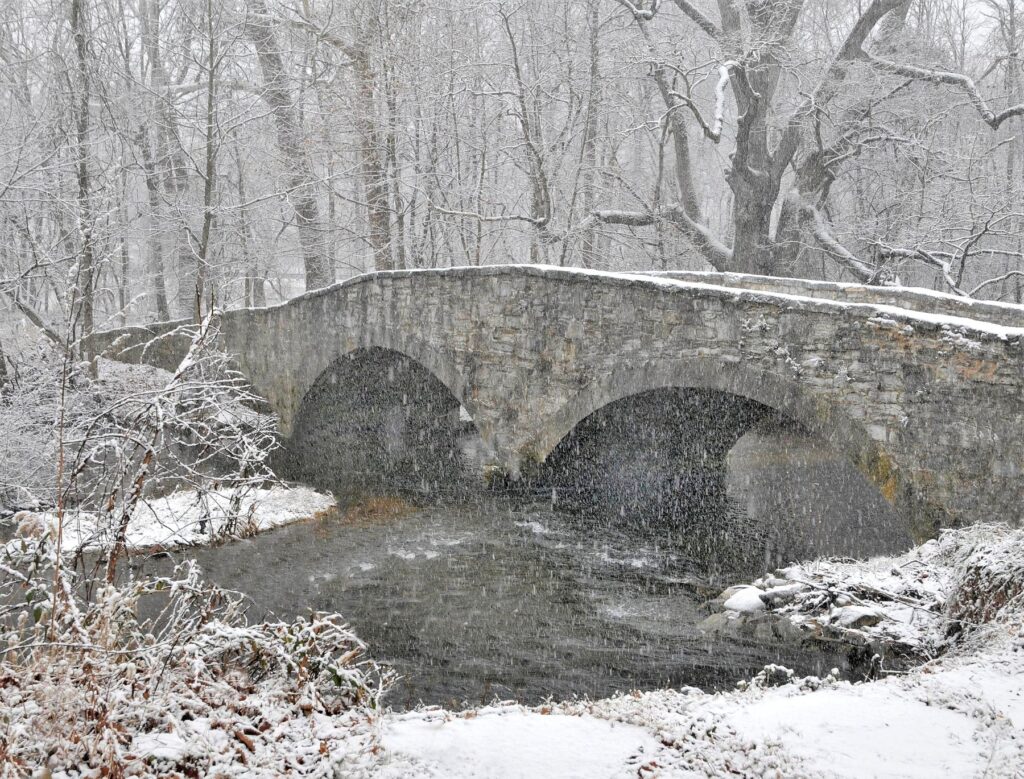
As Thanksgiving became a family-centric holiday, many traveled to their hometowns to celebrate with loved ones, and the journey was complicated by fickle November weather. Before air travel became commonplace, most traveled the region by car, and a late autumn snowstorm was often a major obstacle.
In 1938, the Record-Herald said: “The first flakes of snow brought out the small boy with his sled and a shout of joy.” The newspaper also praised the state’s road crews, remarking that the highway department had done a splendid job during the severe Thanksgiving snowstorm.
When the December 7th announcement of the 1941 Pearl Harbor attack dragged America into World War II, Americans had few reasons to feel thankful. But citizens kept good humor on the home front and celebrated Thanksgiving with gusto.
In 1944, Waynesboro Junior High 9th-graders put on a one-act comedy play titled “ A Thanksgiving Conspiracy.” The story centered on a grumpy grandpa who refused to celebrate turkey day, but through his family’s persistence, he finally recognized the holiday’s joyful spirit.
That article appeared alongside several accounts of local boys missing or killed on German battlefields. After the war ended the next year, a printed newspaper poem read: “Thank God for Thanksgiving, our boys are coming home again.”
The post-war 1950s propelled Thanksgiving into the modern age, as consumerism and a prosperous peacetime era caused a noticeable shift. In the prior century, newspapers didn’t often mention Thanksgiving and Christmas in the same sentence, since each holiday was separate and too distant on the calendar to be linked. But afterward, Thanksgiving served as the gateway to a six-week holiday season.
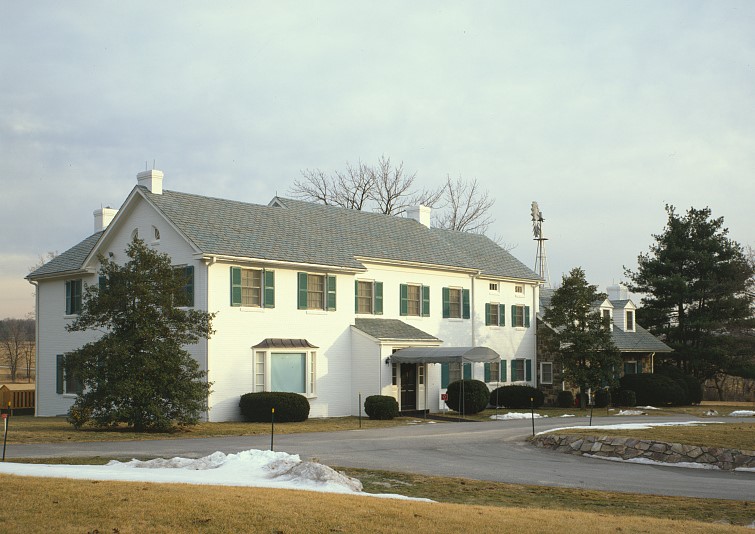
During this era, another American President had local ties to Southern Pennsylvania, as Dwight Eisenhower owned a farm in Gettysburg. According to the Record Herald, Ike relaxed there during Thanksgiving in 1955, recovering from a September heart attack. The 34th President “practiced with his golf putter, looked over his cattle, and read a detective story.”
Also in the nearby Appalachians, Camp David, named for Eisenhower’s grandson, was the scene of many peaceful presidential family retreats over multiple Thanksgiving holidays.
Thanksgiving embodies all those stories and traditions. The holiday continues to create new customs (such as Black Friday) as America moves forward in the digital age. However, local habits remain that harken back to history. Memories of a pioneering woman, an epic Civil War battle, a famous presidential speech, and the bounty enjoyed by rural farmers allowed humble citizens to grasp and celebrate the profound concept of Thanksgiving.
In Waynesboro, the holiday remains a time to appreciate family, friends, town and country, and to uplift those less fortunate. All these American sentiments are wrapped in a comforting blanket of food, hospitality, and good cheer.