Green Hill Cemetery honors its cultural and natural history roots by earning an arboretum designation
By Robb Helfrick
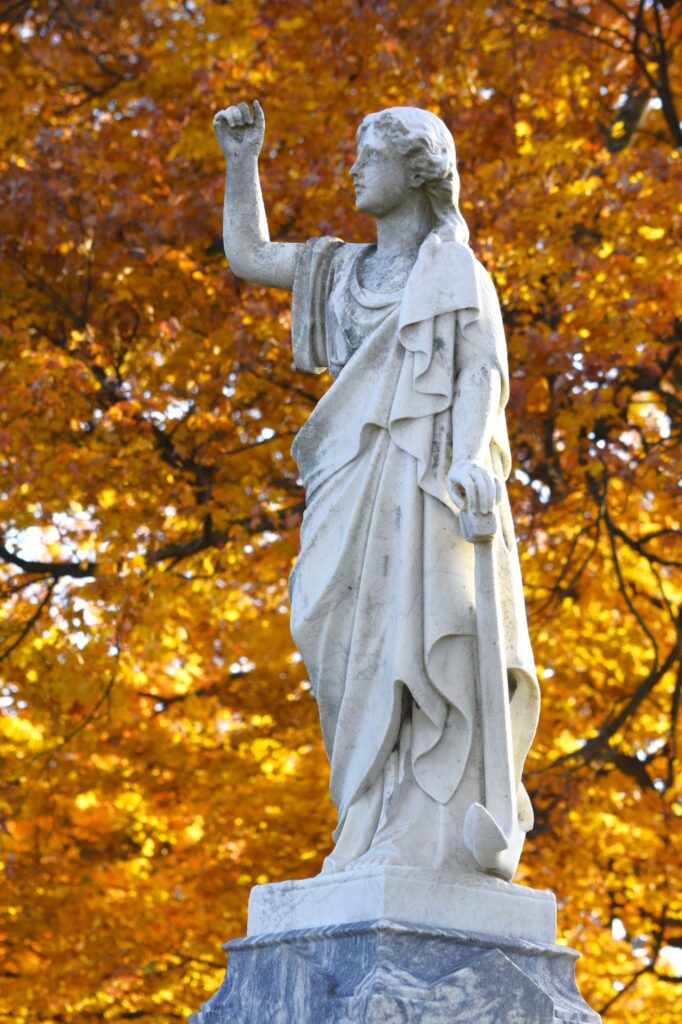
During its 153-year history, Green Hill Cemetery earned a reputation as one of the finest resting places in the Cumberland Valley. Situated on 65 rolling acres in Waynesboro, the burial ground has 7 miles of meandering lanes which pass by ancient monuments honoring past citizens from all walks of life.
With its recent designation as an arboretum by ArbNet and the Morton Registry of Arboreta, Green Hill has chosen to honor another constant presence in the cemetery: its impressive collection of trees. This newly earned distinction makes it one of only three official arboretums in Franklin County.
Green Hill began its journey because of the trees that have constantly grown and thrived on this South Potomac Street property. According to Green Hill superintendent Todd Dorsett, when the cemetery was established in 1873, its location was chosen specifically because of its trees. The site selected was an oak grove known as “Shank’s Woods.”
“The desire of one man to be buried there gave birth to the community’s largest burying ground,” Dorsett said. “From 1888 to 1934, the superintendent of Green Hill, Ferdinand S. Gilbert, made Green Hill a landscape receiving national attention for its topiary and other unusual features.”
Tourists traveled to Waynesboro to witness Gilbert’s creations, which spilled out of the cemetery and onto Potomac Street. He crafted animals like elephants, and his collection was known as “Gilbert’s Topiary Zoo.” Today, a privet hedge that spells out “Green Hill” is the only remaining botanical reminder of Gilbert’s work.
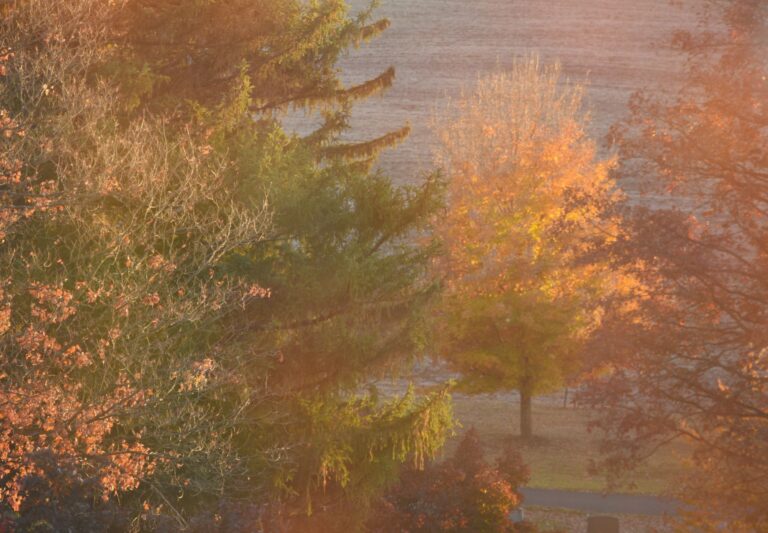
However, some of the trees he tended remain on the property. The cemetery continues to maintain its manicured grounds, inspired by Gilbert’s spirit. Green Hill offers magnificent views of the surrounding countryside, which includes the nearby Blue Ridge Mountains. The cemetery also maintains a buffer of farmland to protect the property from urban sprawl.
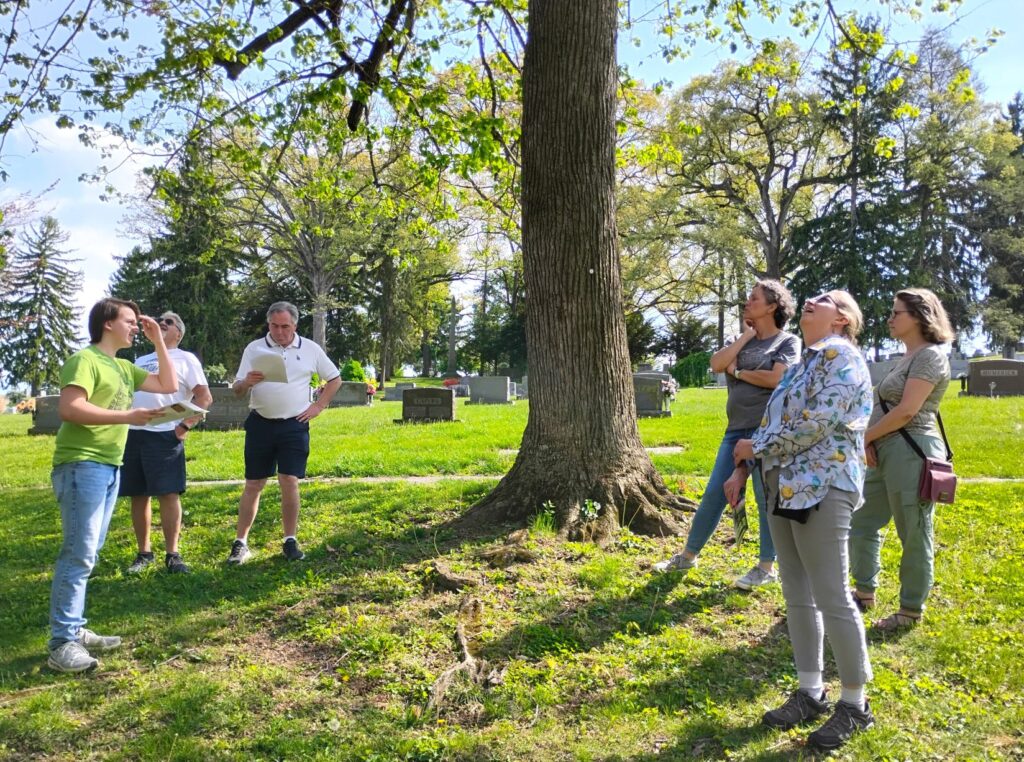
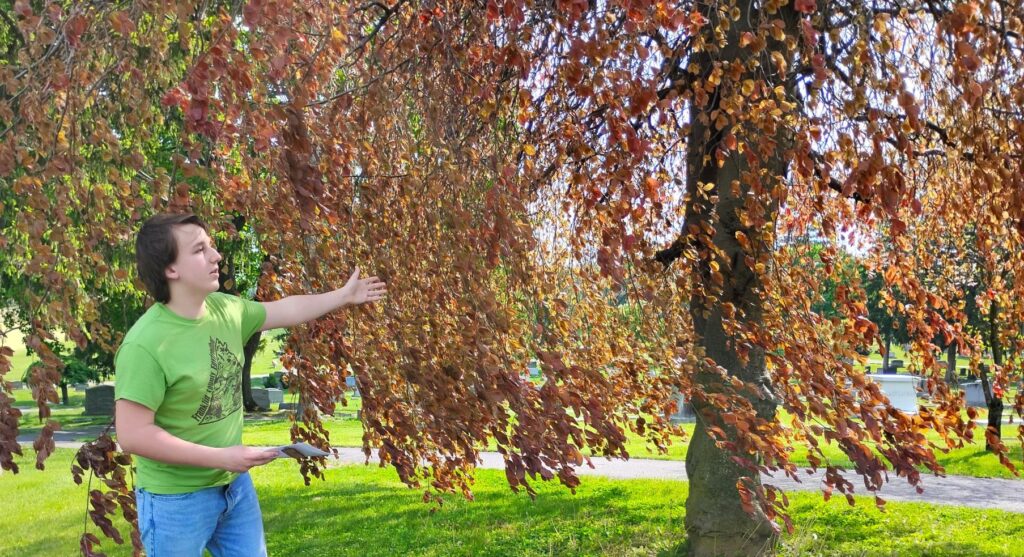
On Arbor Day 2026, Green Hill hosted a tree-themed event. It was a fitting day to complete the final requirement to achieve arboretum status. Visitors were led on a tree walk by Quinn Coulter, a WASHS sophomore, who highlighted some of the significant species that thrive there. Green Hill board member Ritchie Warner helped design the tour.
Green Hill’s leadership also designed a complementary indoor exhibit that remembered four notable horticulturalists. That quartet helped beautify Waynesboro in bygone days, and now they rest at Green Hill. Shortly after the event, the official announcement came that the cemetery had joined the ranks of worldwide arboreta.
“Accreditation as an arboretum is important for Green Hill because it bolsters our commitment to maintaining the trees and other flora on the cemetery grounds—things which set Green Hill apart from its competitors,” Dorsett said. “This is crucial to our survival as modes of disposition of human remains evolve and the demographics of the community change. It also should attract the attention—and hopefully the support—of residents and visitors who may have no interest in Green Hill as a burying ground but do appreciate its natural splendor. Green Hill was Waynesboro’s first park, and it is still a thing of beauty.”
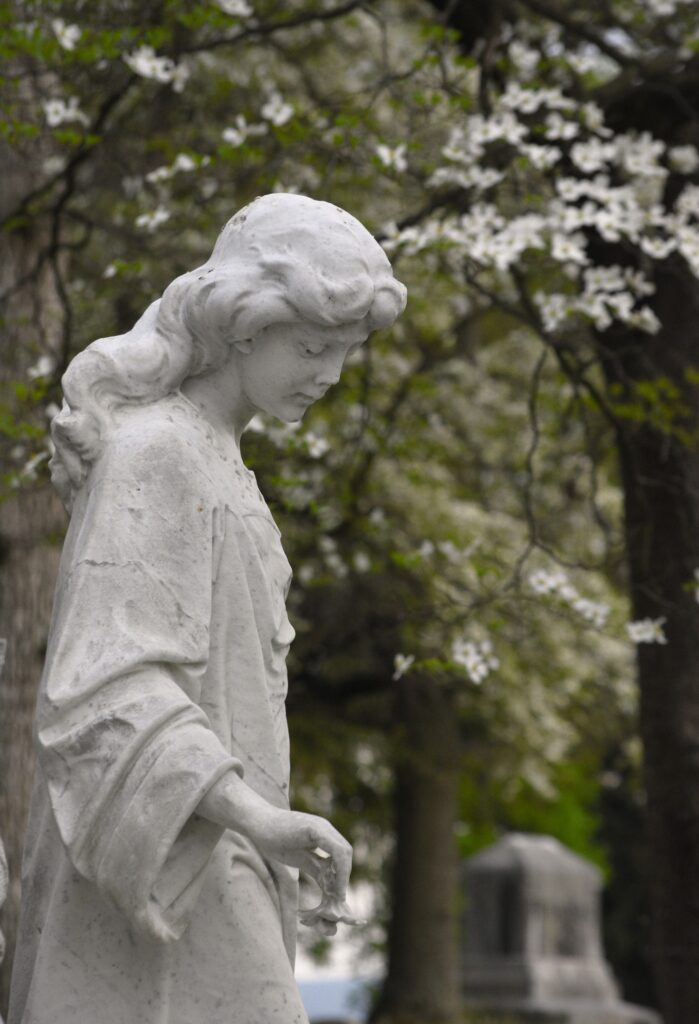
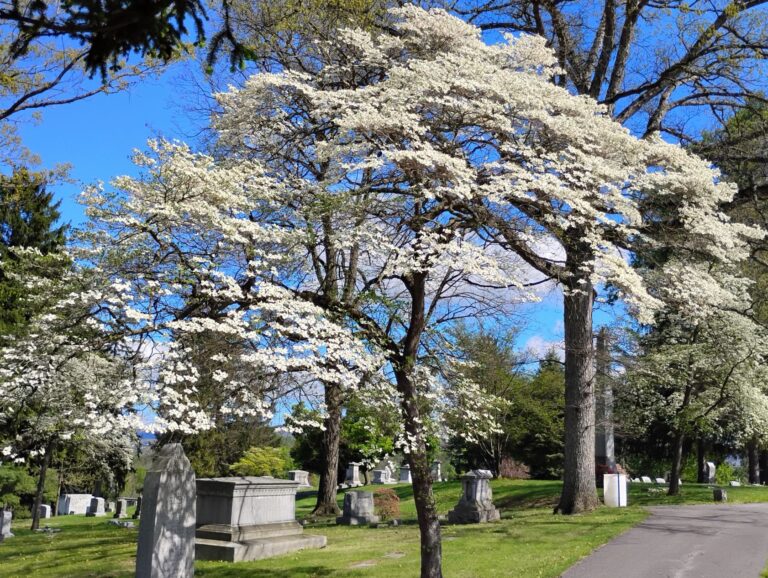
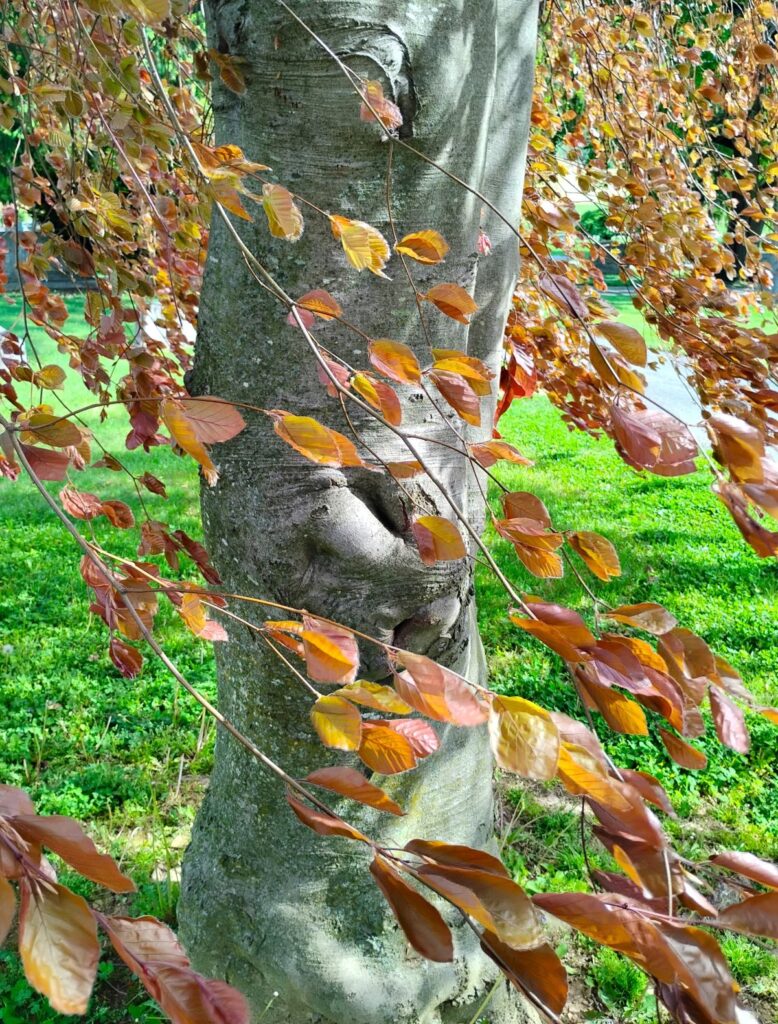
Green Hill contains over 600 trees representing 77 different species of woody plants. Included in Green Hill’s impressive arbor collection are Flowering Dogwoods, Eastern Redbuds, Sugar Maples, White Spruce, Northern Red Oaks, White Ash, and Eastern White Pines, which keep Green Hill green in all seasons.
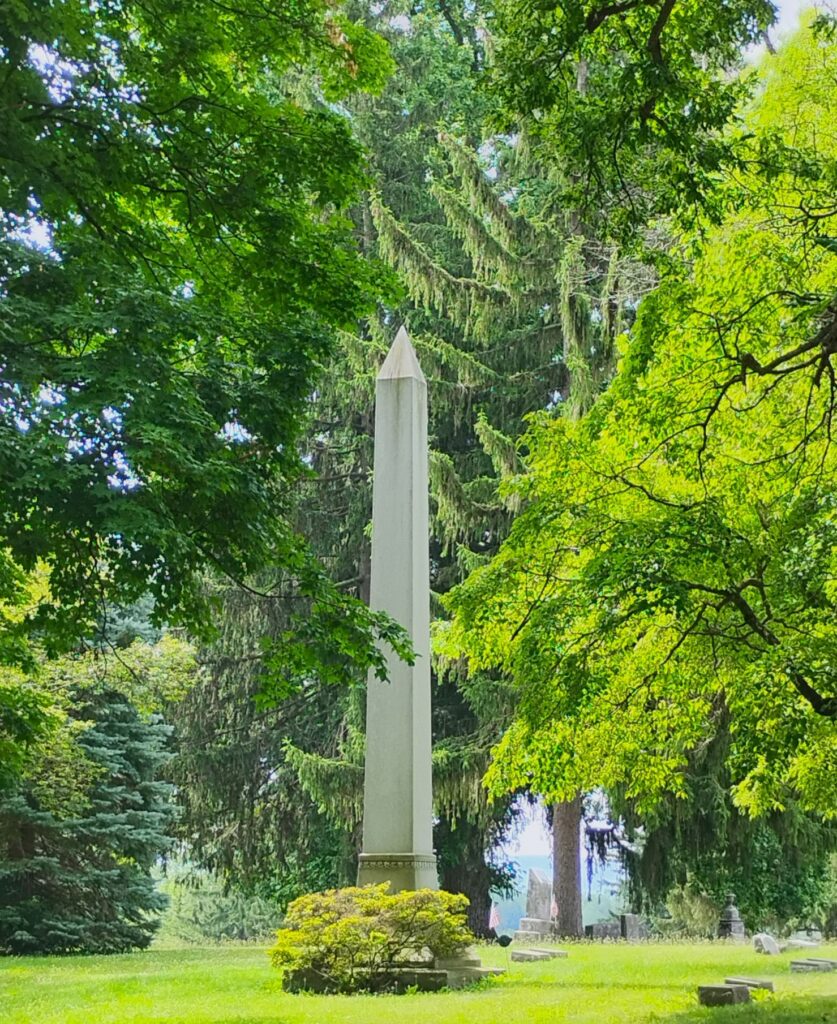
Green Hill’s signature tree is the Norway Spruce. This specimen is native to northern Europe, but also thrives in North America. The hearty species can live up to 300 years. These large trees can grow up to 4 feet a year and reach 100 feet tall. Green Hill hosts 116 Norway Spruce trees, which comprise 18% of the cemetery’s collection.
Achieving arboretum status required much planning and dedication at Green Hill Cemetery. A management plan and corresponding budget were established to care for the trees, and educational programs were implemented.
The ArbNet Arboretum Accreditation Program is the only global initiative officially to recognize arboreta at various levels of development, capacity, and professionalism. Green Hill Cemetery is also now recognized as an accredited arboretum in The Morton Register of Arboreta, a database of the world’s arboreta and gardens dedicated to woody plants.
However, Green Hill doesn’t plan to rest on its laurels. “Our goal is to become the first level two designation in Waynesboro,” Ritchie Warner said. That level requires 100 different species in a single location, so Green Hill needs 23 additional woody plants to fulfill that goal.
The cemetery is currently evaluating what species could be planted next. Another Green Hill board member, Tom McCloud, has extensive knowledge of tree species through his work as an arborist who formerly owned Appalachian Nursery, and he is a current member of the Waynesboro Shade Tree Commission.
Green Hill also plans another tree tour during the fall season, and a date will be announced soon. All these efforts reinforce the cemetery’s commitment to its cultural and natural history roots. The arboretum designation signifies its ongoing devotion to Green Hill’s magnificent trees and also its respect for former cemetery visionaries like Ferdinand Gilbert, whose leadership and botanical examples still inspire Green Hill trustees today.
From its inception as Shank’s Woods to its current status as a museum of trees, Green Hill Cemetery remains a serene landscape that not only honors the dead, but also provides beauty and enjoyment to the living.