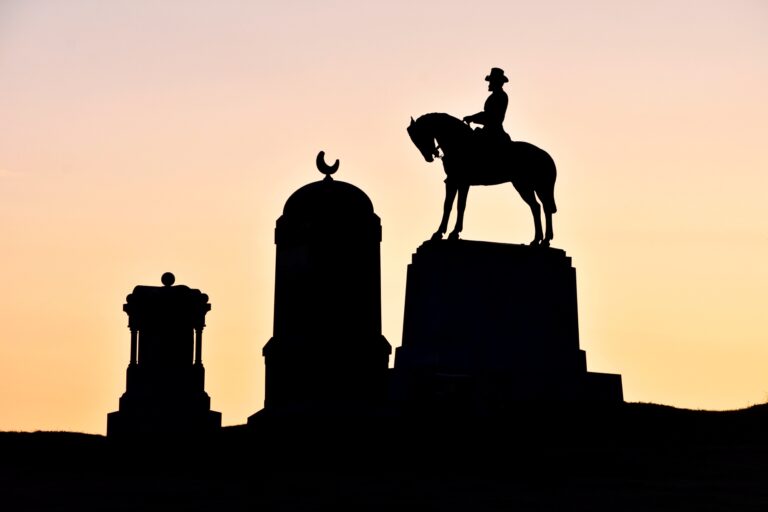
THE ART OF THE SILHOUETTE
An Ancient Practice Still Used in Modern Photography
By Robb Helfrick
Silhouettes, though predating photography, remain a powerful tool for shaping and communicating identity, clarity, and intrigue in visual art.
The origins of silhouette art are closely tied to ancient outline drawing and shadow painting, perhaps beginning with prehistoric cave murals in France and Spain. The first silhouettes may have been achieved by tracing the outline of an object’s shadow. Drawing a person’s shadow, cast by sunlight or candlelight, would have been a possible technique.
As societies and art developed in the 18th and 19th centuries, artists took silhouette portraits to the next level. They could clearly view their subjects, but showed only their outlines, typically depicting them in black with a white background. This technique was faster and more economical to produce a finished work.
The term silhouette refers to the outline or sharp shadow of an object. The word is derived from the French finance minister Étienne de Silhouette, whose hobby was cutting paper shadow portraits.
Soon after the style became famous, collecting silhouettes became widespread among celebrities of that era. Leading silhouette artists of the second half of the 18th century and the early 19th century pursued the technique with passion. A silhouette portrait or profile was a popular way to recreate an image of oneself or a loved one. Professional and amateur artists either painted or cut profiles, using paint or scissors.
During the 1800s, artist portraiture was affordable to the average person. However, by the 1850s, the medium of photography had arrived. During photography’s early years, the painted silhouette all but disappeared. From that point forward, photographers took the reins to improve and further define the art.
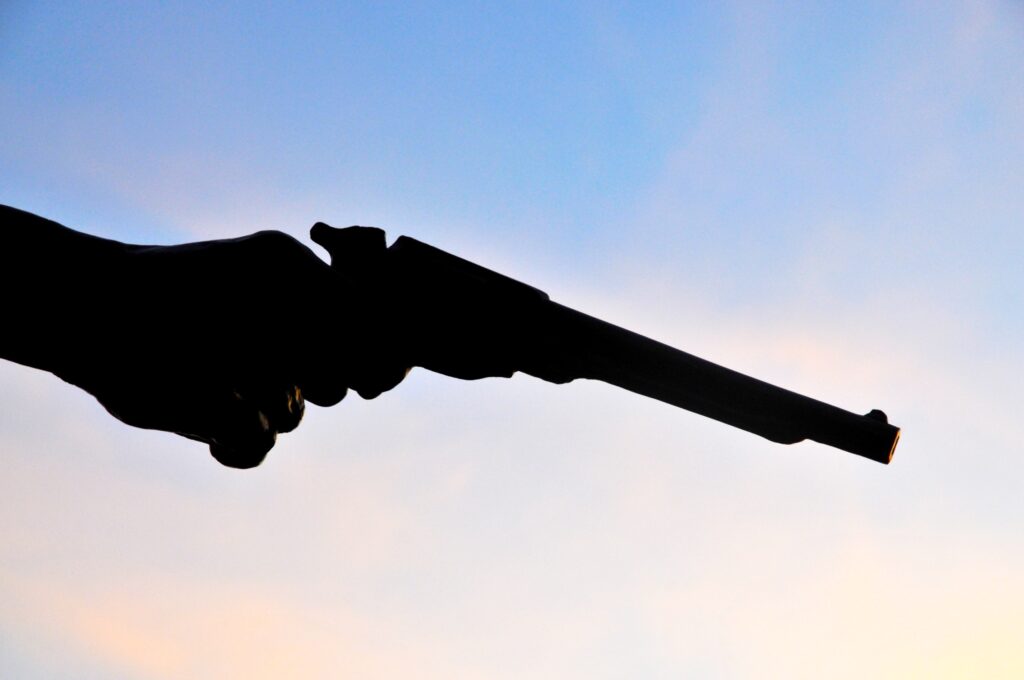
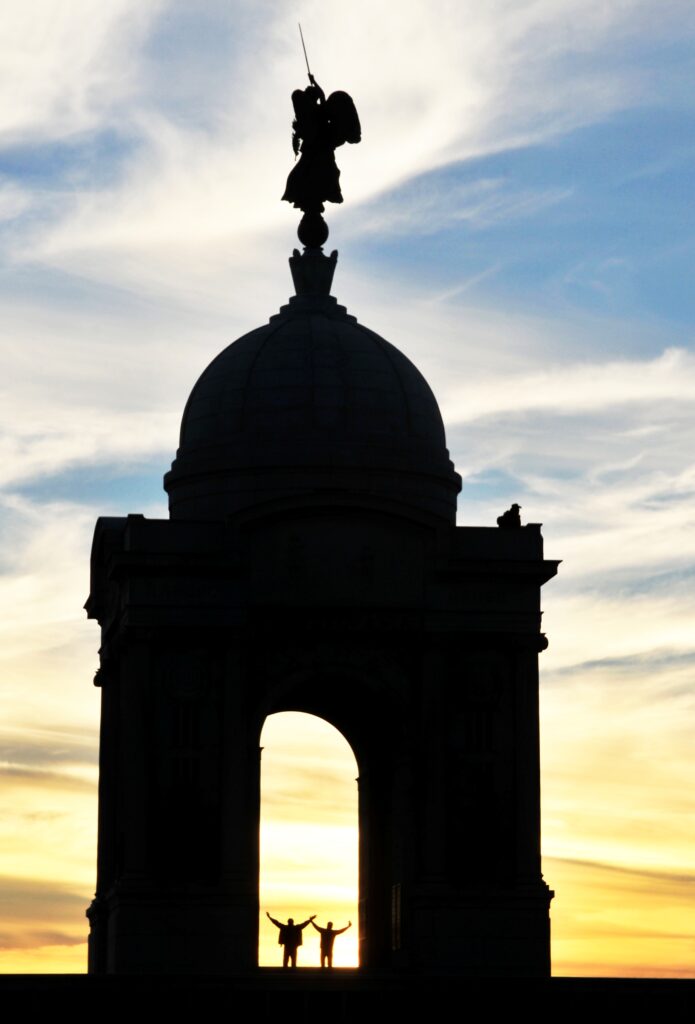
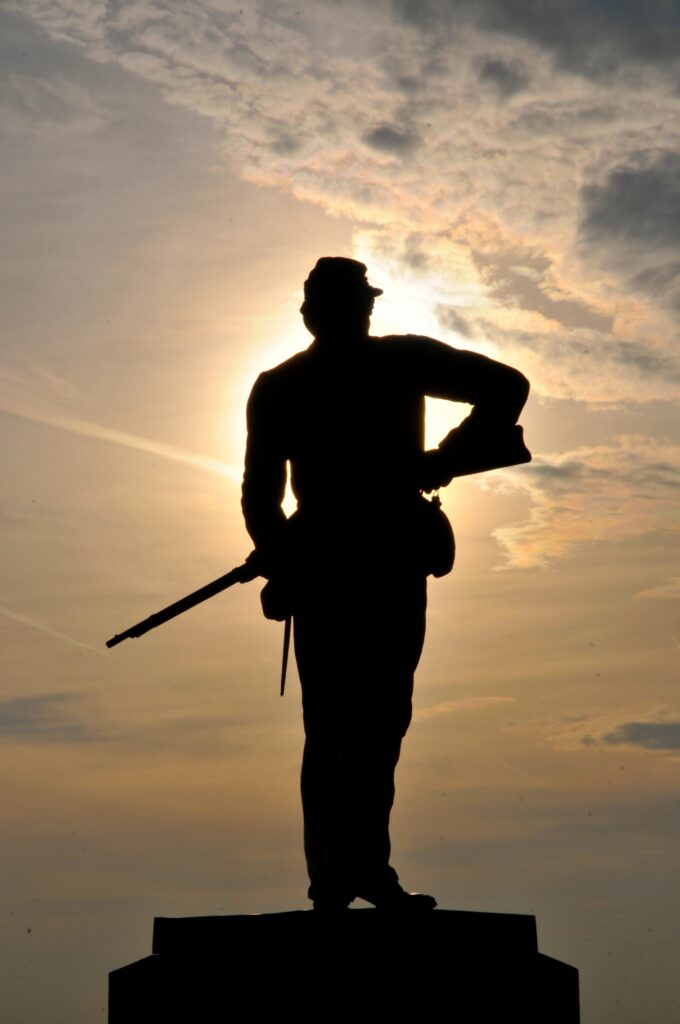
Using the lighting techniques of the medium, photographers created silhouettes by recognizing or controlling the contrast of light and dark within an image, casting subjects into form-defining darkness. The silhouette was ready for its comeback.
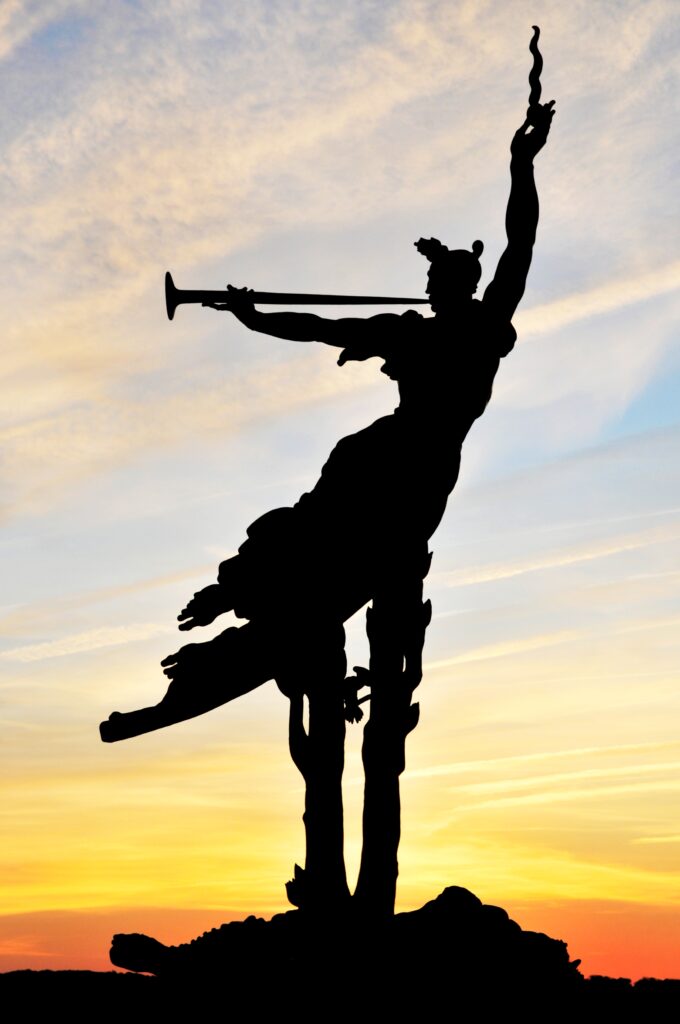
Utilized as a tool in photography, silhouettes can add powerful meaning and impact to a still image. By emphasizing only shapes, this technique creates a dramatic look. Often, within the same frame, it portrays subjects as definable yet still mysterious.
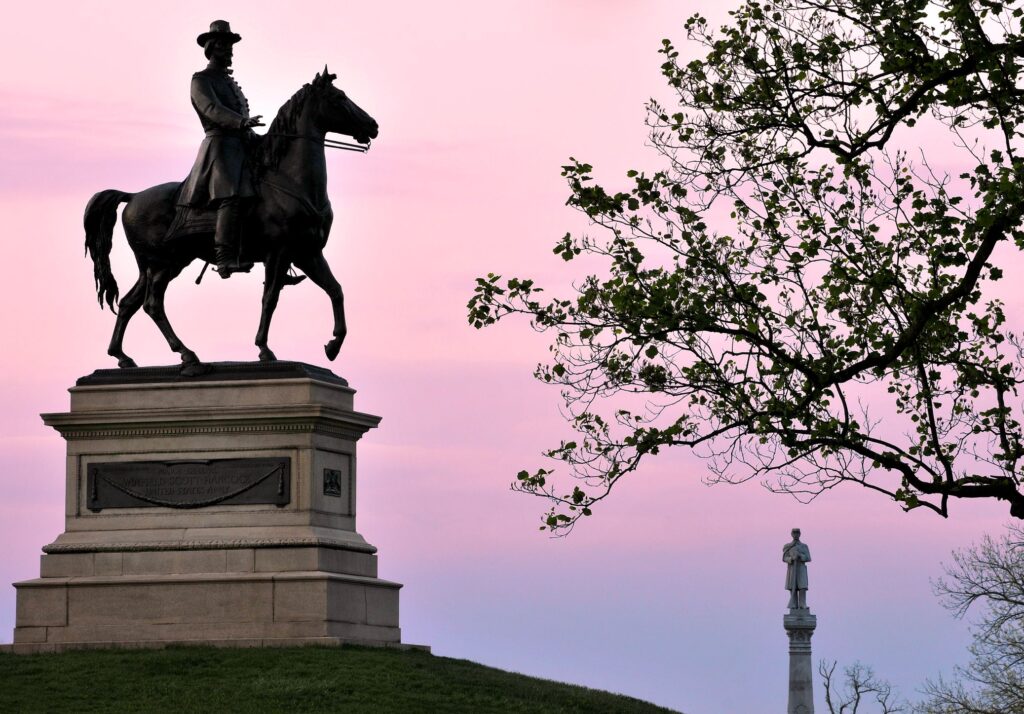
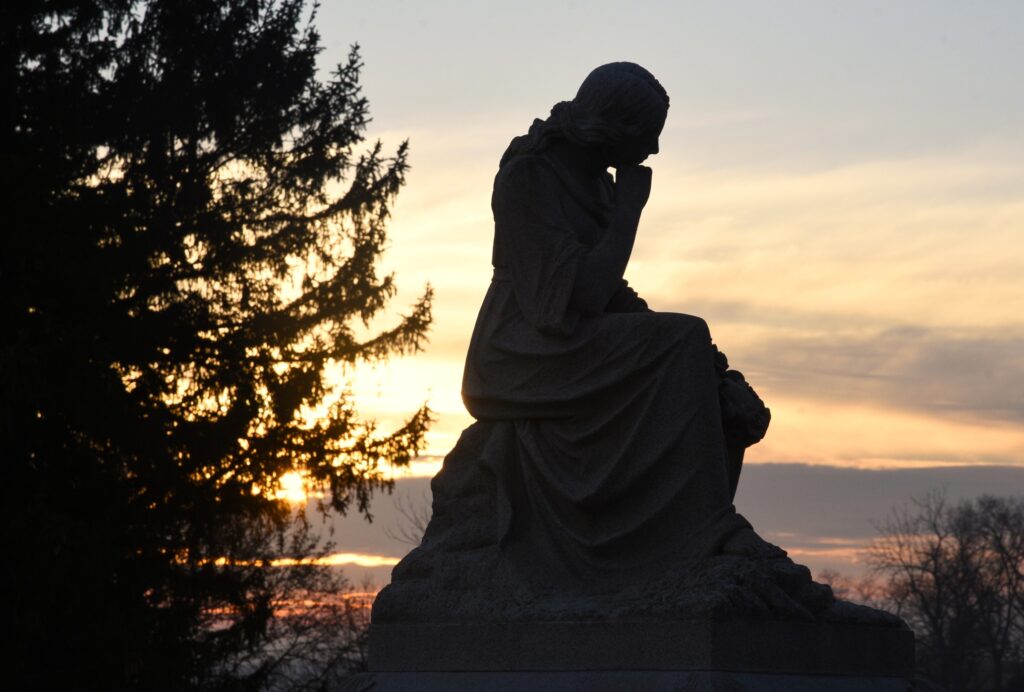
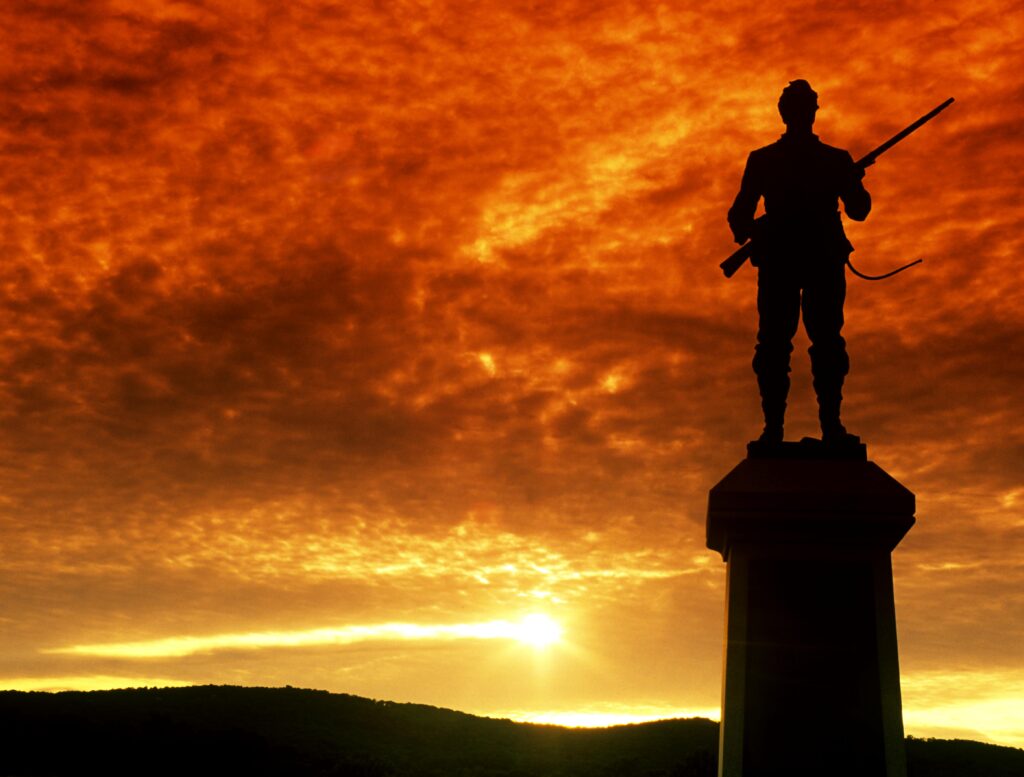
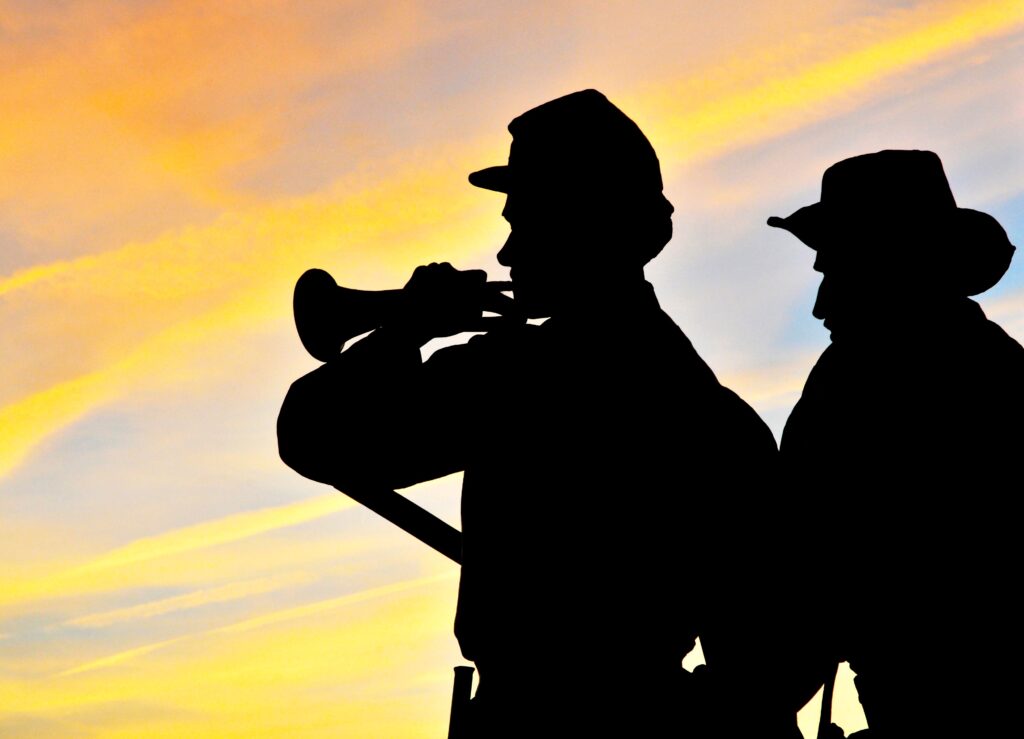
A local example is the monuments at the Gettysburg battlefield. Some of these honorary structures have become so well-known that their outline is the only identifier needed to recognize their form. With some statues of horse-mounted Generals, any number of equestrian hooves lifted off the pedestal indicates if that leader was wounded or killed.
In other battlefield subjects, the brutality of war is represented by a single silhouetted gun, a soldier’s form who seemingly charges into the blazing sun, or a cannon pointed at a phantom enemy. In silhouette, a human figure immortalized in stone could be a Yankee or a Rebel, or simply portrayed as an American soldier.
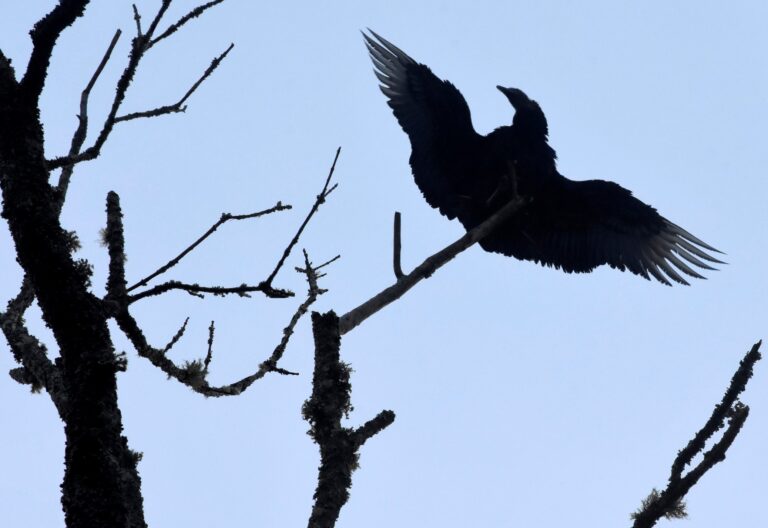
Portraying wildlife in silhouette can also produce dramatic results. A vulture spreading its wings as it perches on black tree branches produces a menacing mood. A silhouetted gull standing on a rock with an ocean sunrise behind it evokes a calm and hopeful demeanor instead.
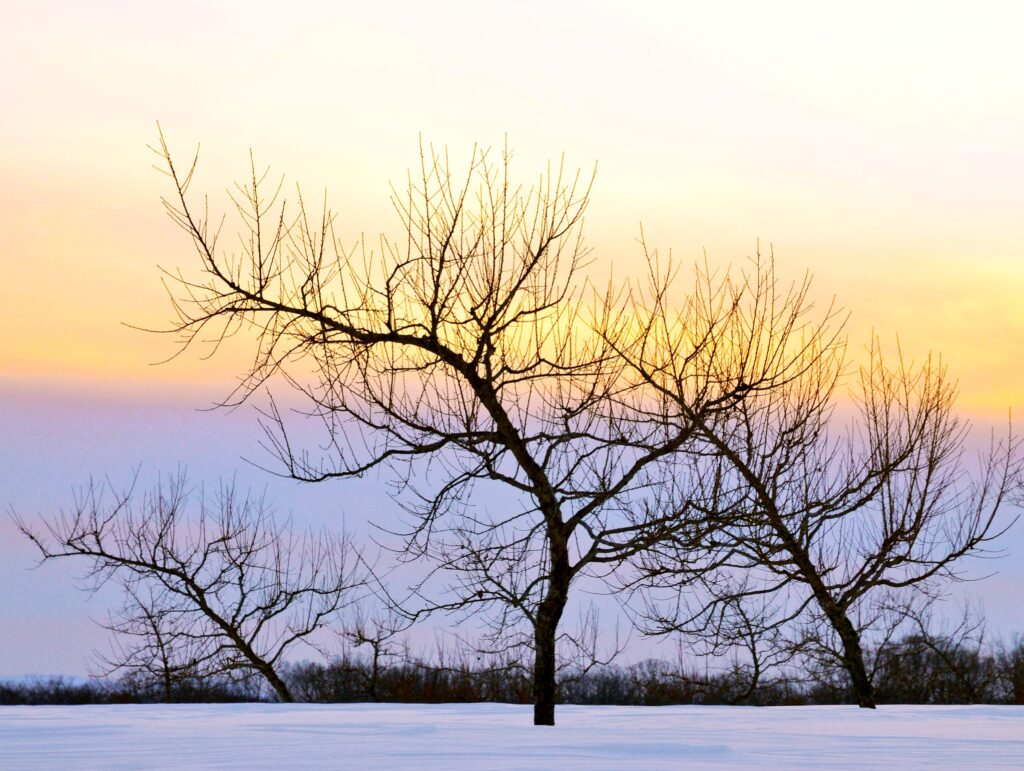
Botanical objects such as trees can look stunning in a silhouette view. In winter, the architectural form of a tree is clearly evident without leaves. An outline-defining photograph showcases a new perspective, highlighting the distinctive shape of a beautiful one-of-a-kind specimen.
When photographing people, creating a silhouette is an invaluable tool. The photographer may choose to only suggest the gender, age range, physical shape, or subject’s occupation, and nothing else. We, the viewers, must fill in the details.
When showing a scenic vista that includes a silhouetted person, the photographer is allowing the viewer to be a voyeur. We imagine ourselves standing on that mountaintop or walking into the crashing surf.
Within an image from a more serious scene, such as times of war, the viewer is drawn into the photograph when a silhouetted human faces danger or imminent death. In that situation, that form could be ourselves, since a human subject becomes universal when it is revealed only by its shape.
The silhouette remains an ageless tool for photographers and other artists to create a mood, craft a mystery, or to further define the shape of the world we live in.