A LIFE TO REMEMBER: WIB DAVIS, WAYNESBORO’S LEGENDARY JOURNALIST AND STORYTELLER
By Robb Helfrick
Wilbur “Wib” Davis was a Waynesboro legend. He practiced journalism at the Record Herald newspaper for half a century and earned a reputation not only for his reporting skills but also for his masterful storytelling. From an early age, Davis developed a keen eye for detail, and he stored those insights into an encyclopedic mind.
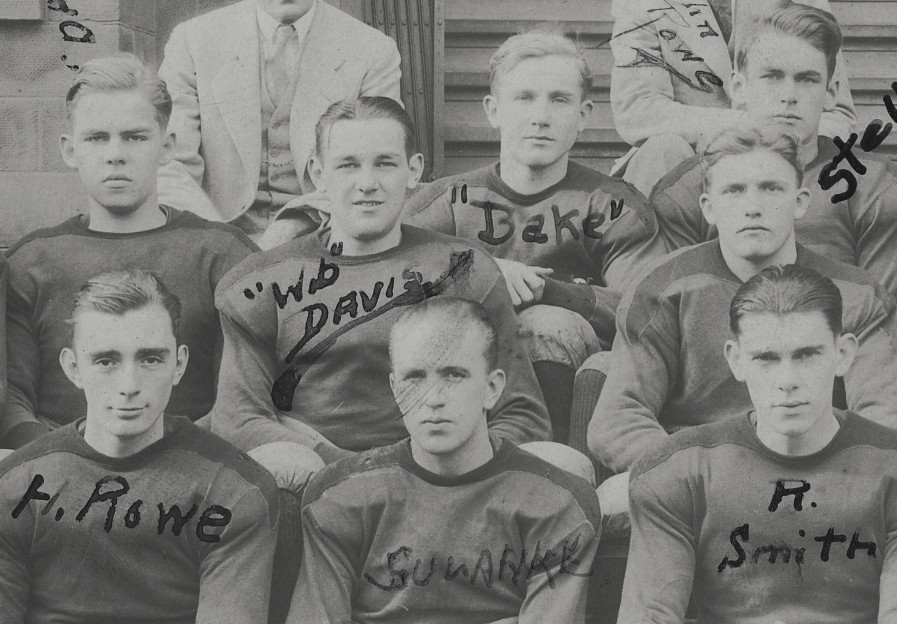
Wib Davis was born in Waynesboro on November 12, 1909. He would live his entire life in the borough. As a young man, his future career seemed predestined when, as a sophomore in high school, he earned a reporter internship at the Record Herald. After playing football and basketball and then graduating from Waynesboro High School in 1928, Davis immediately came to the newspaper to work full-time. “I remember my days as a cub reporter,” Davis later remembered, “Back then, reporters had a daily beat. They didn’t rely too much on the telephone.”
During the next 46 years, Davis worked in every department at the Record Herald. He served primarily as a sports editor, developing a reputation for fairness and diligence. Davis reported the success of Waynesboro’s high school football teams during the 1920s and 30s. He also covered other local talent. One football player who starred for Washington Township in 1940 later wrote an open letter to Davis, published in the Record Herald. “That extra effort on your part to describe and praise did much to motivate this high school athlete to further achievement, more than you probably ever knew.”
Later in the 1940s, Davis helped promote the Waynesboro Tigers, a semi-pro football team that enjoyed instant success. During those early years, the Tigers were nearly unbeatable. Davis also signed up youth baseball sponsors, serving as an advocate for Waynesboro’s initial Little League program, which continues to prosper today.
While most of his newspaper coverage focused on sports, Davis also refined his perspectives on everyday life in Waynesboro. During his early journalistic days, he hung out at the local train station to interview people, asking why they arrived in town or where they were traveling. Under the paper’s theory that “names make news”, Davis gathered material for the “Personal” column, which was second in readership only to the obituaries. “It was all a pleasant task,” Davis recalled. “The ticket agent was always a big help; he knew people’s destinations.”
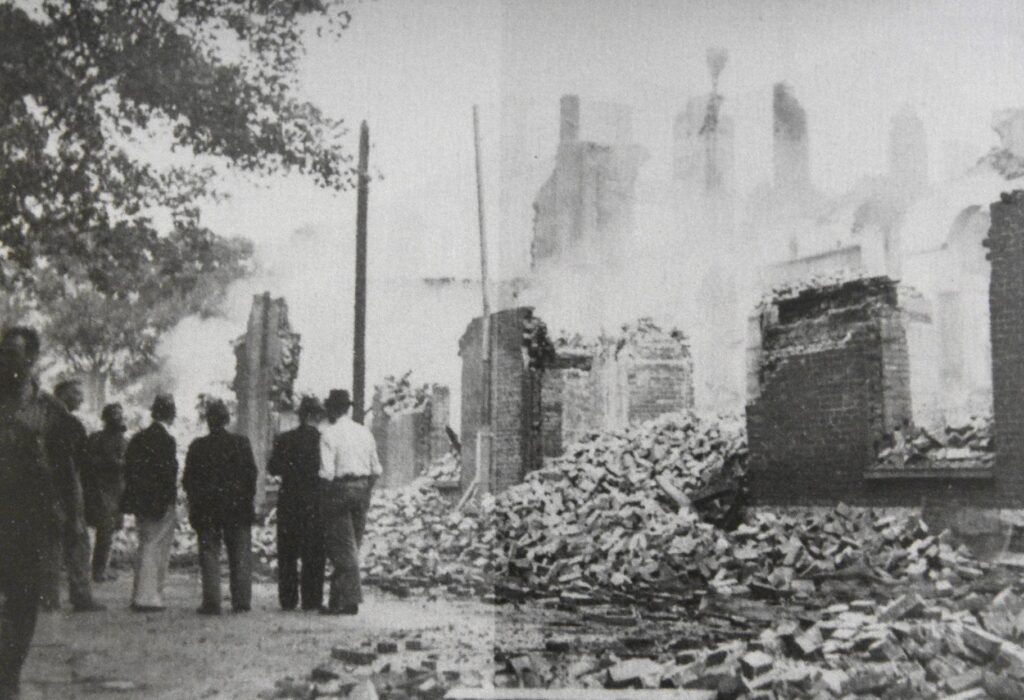
During his stint as a hometown journalist, Davis interpreted how the epic events of the 20th century, including two world wars, the Great Depression, and post-war American culture in the 1950s through the 1970s, influenced area life and customs. Luckily for Waynesboro readers, Davis shared many of those thoughts in his later writings.
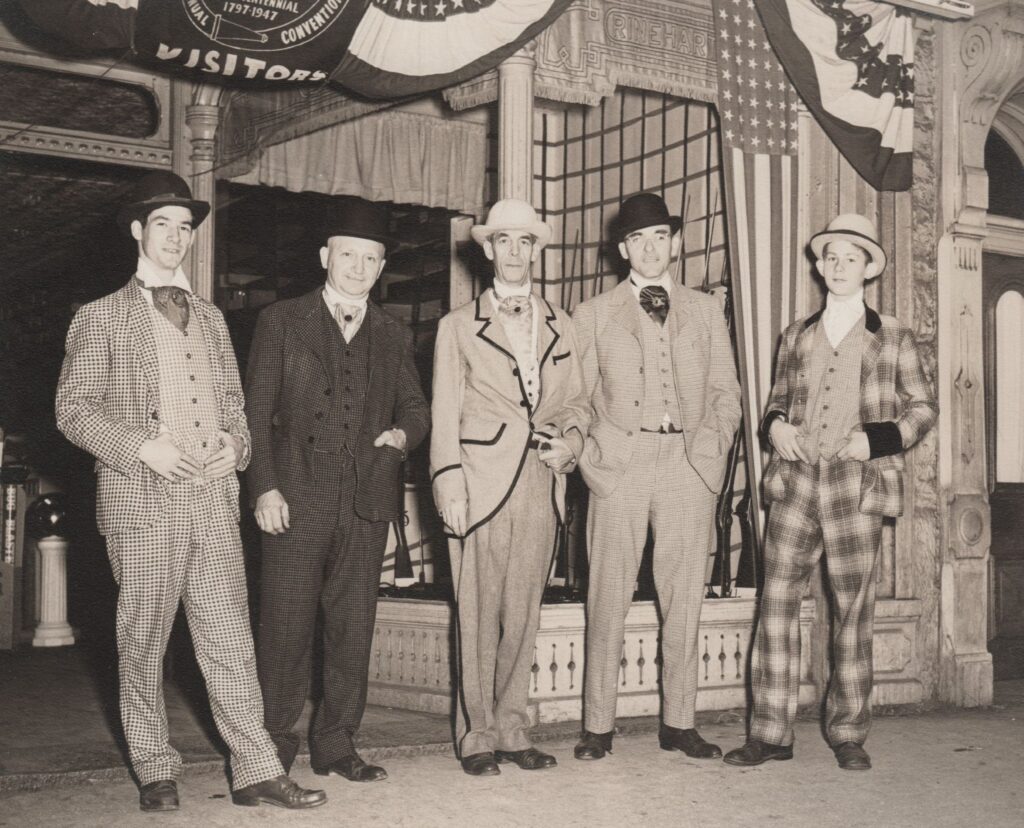
Wib Davis was also highly involved in community and charitable circles. He authored and co-directed Fourth of July Pageants in the late 1930s and early 1940s. When Waynesboro celebrated its sesquicentennial in 1947, he wrote the script for that pageant. Davis served as the president of the Waynesboro Lions Club and also became president of the South Penn Conference Sportswriters Association. He also edited “Fifteen Days Under the Confederate Flag,” a publication that described Waynesboro’s experiences during the Civil War.
Davis retired from the Record Herald in 1974, but the veteran journalist couldn’t completely leave his profession. Within a few months, he agreed to write a weekly newspaper column, aptly titled “Remember When.” Davis later mentioned that expression came up when “some oldsters get together and begin to reminisce. Invariably, someone will put the question to his colleagues and then take off with a tale of his boyhood mischief-making.”
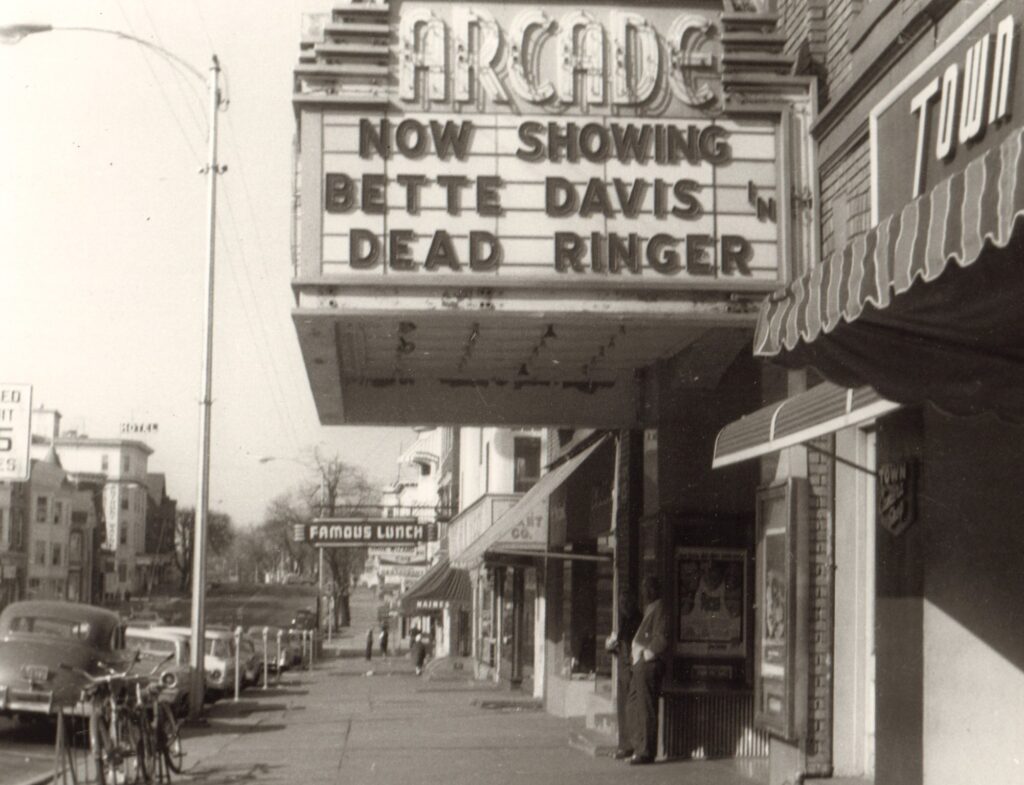
Within his column, Davis recollected everything from Waynesboro events, traditions, and people, primarily from the prior 50 years. However, he often found nuggets of history that dated to the 1800s. One factoid was the day Waynesboro citizens felt earthquake tremors on August 30, 1886.
Each column typically started with his familiar phrasing as Davis led with intros such as “Remember when the J.C. Penney Company came to Waynesboro?” Another article began with “Remember when a Human Fly would thrill Waynesboro crowds with death-defying climbs of its tallest buildings?”
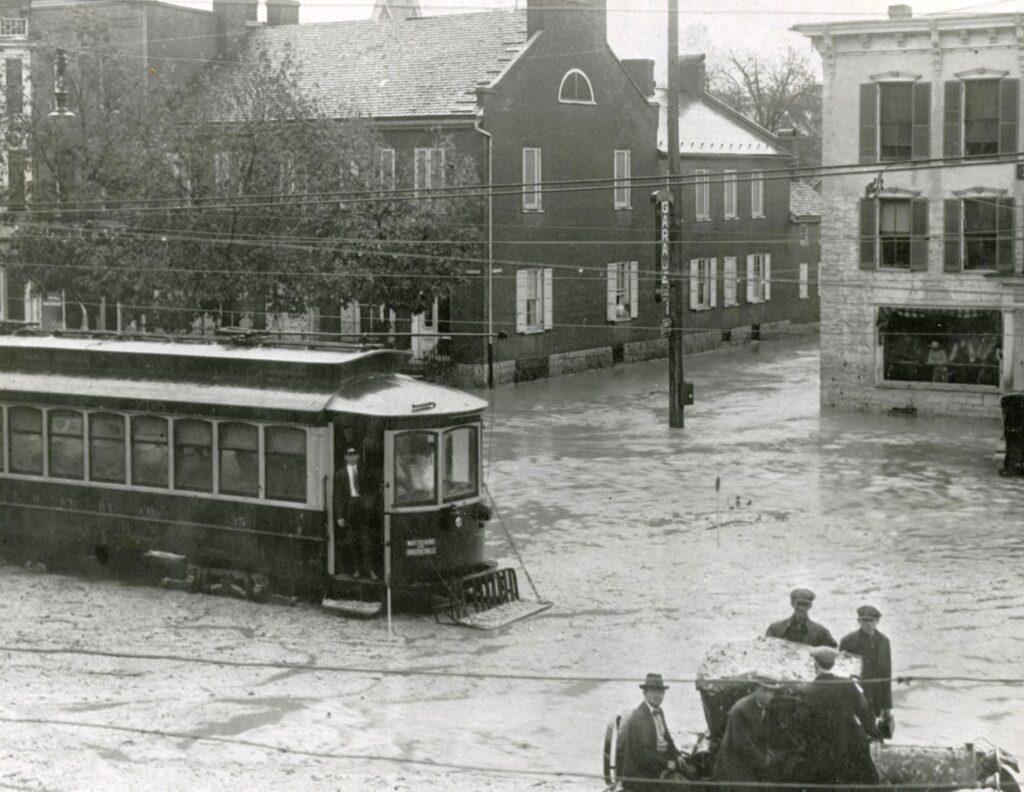
In 1976, Wib Davis asked: “Remember Wednesday afternoon, June 6, 1917? Black clouds rolled up in the west against a background of bright orange and yellow; sharp bolts of lightning pierced the sky, touching off heavy claps of thunder. Then, the worst storm in Waynesboro struck.” Many of Davis’s stories weren’t simply researched from the Record Herald archive. The day of that epic summer storm, Davis and his classmates huddled inside the North Street School. When the storm finally passed, it had deposited up to a foot of hailstones, flooding Waynesboro’s streets. When he retold that story, 59 years later, Davis went beyond reporting local history; he had also lived it.
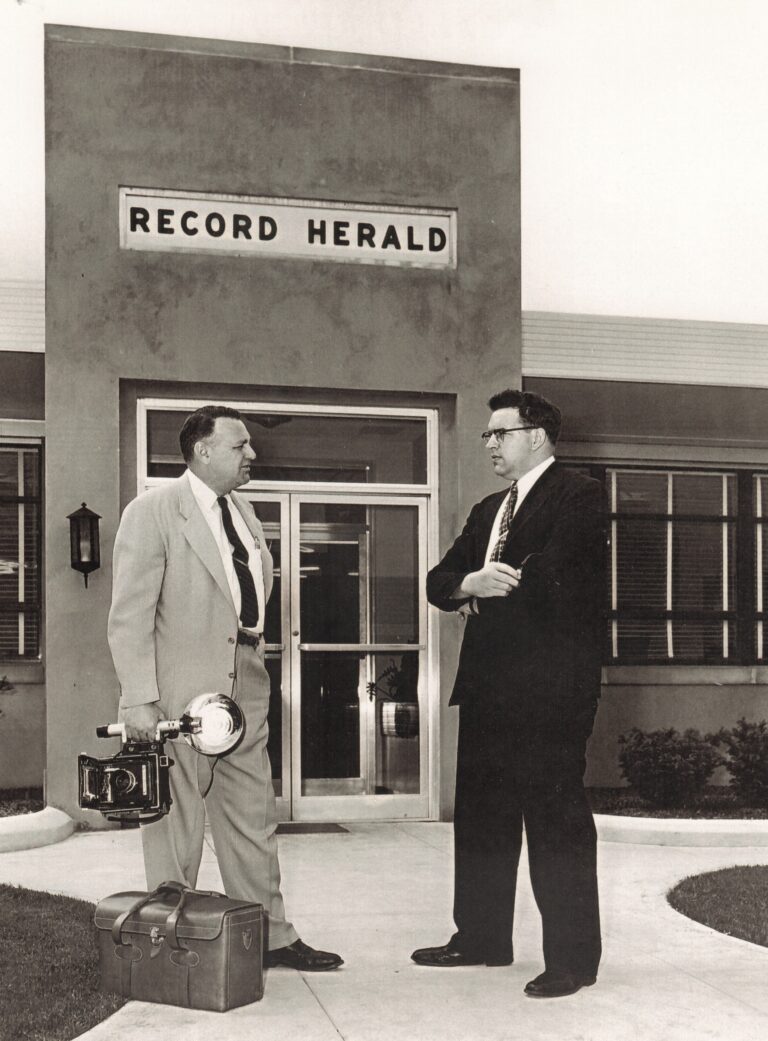
When the Record Herald published those Davis articles starting in 1974, they recognized they had a winner on their pages. Readers anticipated their weekly fix of Davis’s witticisms, commentary, and remembrances. He highlighted each season and the traditions that accompanied the changing weather. Davis reminisced about Easter, the Fourth of July, Thanksgiving, and Christmas, recalling stories about downtown holiday decorations and other memorable festivities. But Wib Davis wrote about so much more.
Davis sometimes lamented that when society changed, it often diluted local traditions or rendered them obsolete. “Well, those days are gone,” he’d write. Reading those words, you could almost hear him sigh. However, Davis took joy in recounting stories for people who hadn’t lived to see them. Often, citizens stopped him on the street to chat about a recent column or share an idea for a new article. Davis usually credited that person in the resulting story.
Davis wrote about obscure traditions lost to history, including bellsnicklers, apple twitching, and carpet beaters. Another Davis hallmark was how he seamlessly blended his own experiences into his narratives (“I recall as a little boy watching…”), assuring readers they were in the capable hands of a master storyteller.
As the 1970s ended, avid Waynesboro readers appreciated the journalistic sage who documented the borough, but also realized their cherished correspondent wouldn’t be around forever. From March 31 to October 6, 1979, Davis’s pen sat idle as he struggled with health problems. However, his writings returned to the Record Herald that autumn with a tone of gratitude. “Thanks, everyone,” Davis wrote. “Your prayers, letters, calls, and personal visits during my six-month illness and major surgery are largely responsible for my being able to resume my weekly column.”
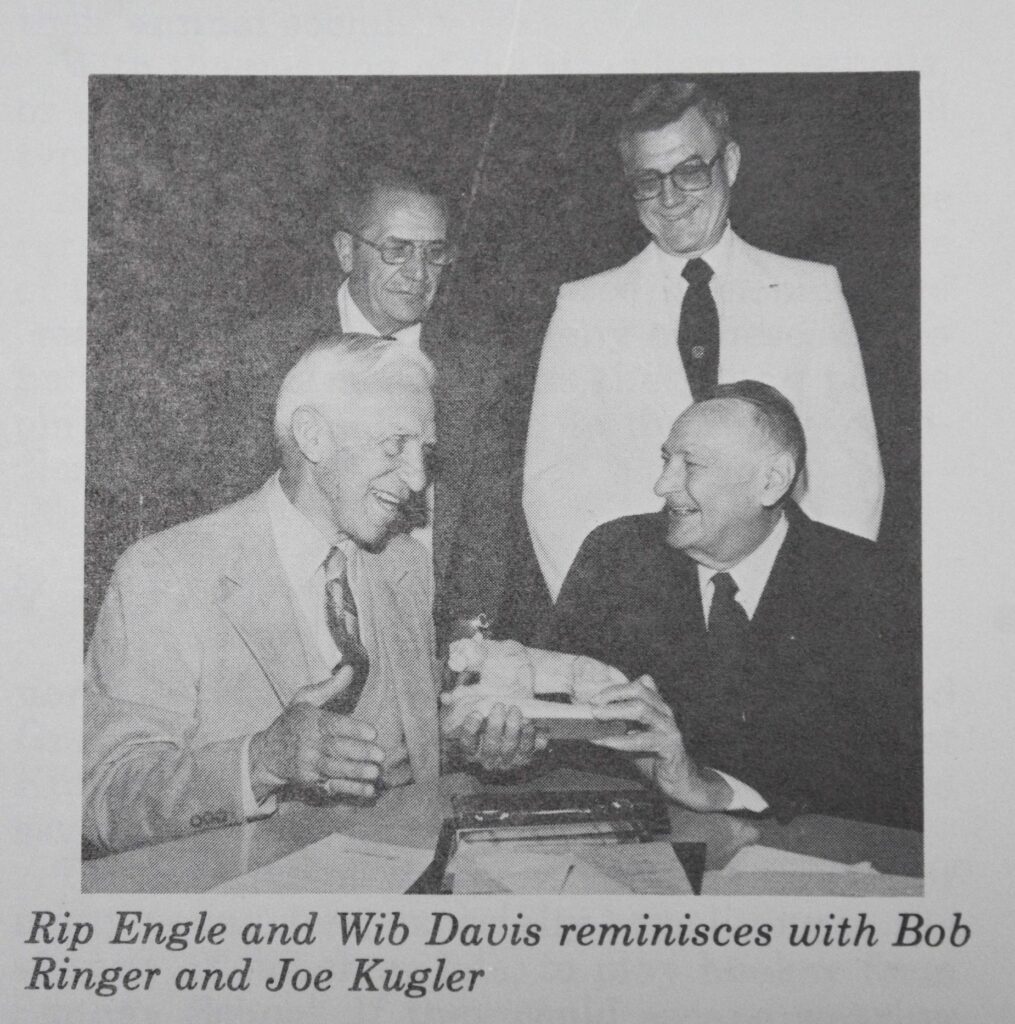
Davis entered the 1980s riding a wave of admiration bestowed by his fellow citizens. When the announcement came that he’d been inducted into the South Central Pennsylvania Sports Hall of Fame, friends wanted to throw a party for their hometown hero. On May 2, 1980, Waynesboro celebrated “Wib Davis Day,” complete with a key to the city presented by Mayor Thomas Painter. A guest appearance by “Rip” Engle, the legendary Penn State football coach, who began his coaching career in Waynesboro, bolstered the festivities. Of course, Wib Davis had faithfully reported Engle’s early gridiron successes.
During that event, the outpouring of affection and attention humbled Davis. “I was misty-eyed, there was a lump in my throat, and I could have sat down anywhere and had a good bawl on someone’s shoulder. Once on stage, the mist cleared, but I still had to choke back tears.” In his RW column on May 10, he wrote, “I truly appreciate the gifts, cards, and vocal accolades I received. To me, Wib Davis Day is a memory I will cherish forever.”
Davis’s Remember When articles continued until declining health stole his energy, and the column ended in late 1981. Wib Davis died on February 17, 1982, at age 72. After hearing about Davis’s death, a successful veteran reporter named Bob Shryock, who worked under Davis in his youth, wrote about his mentor’s influence. “I’ve never forgotten the lessons Wib taught me,” Shryock said. “Like being honest with story sources and accuracy and fairness in reporting. It seemed Wib never slept. His whole life revolved around the Record Herald.”
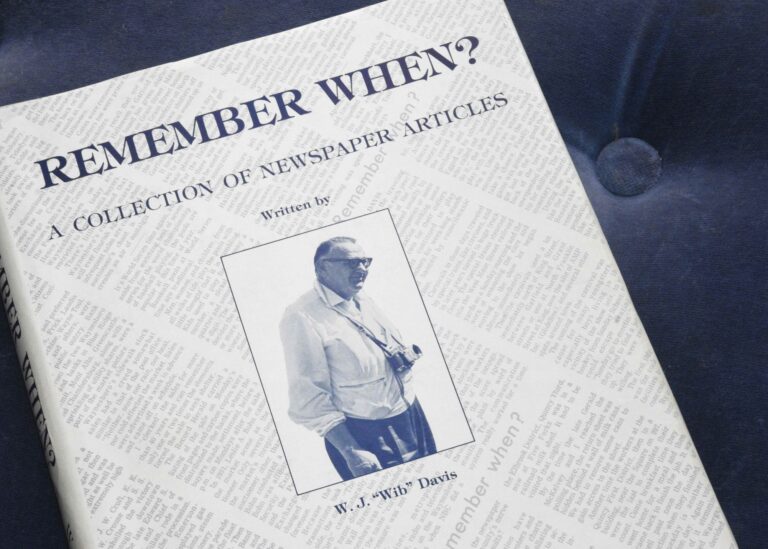
With an epic Waynesboro voice silenced, it seemed the memory of Davis’s work would eventually fade. Instead, when the Waynesboro Historical Society compiled those 1974-81 Remember When columns into a book of the same name in 1983, a new following of fascinated readers ensued. From that day forward, future generations of Waynesboro citizens enjoyed Davis’s clever musings and unique stories, combined into one handy volume. Fellow newsman and long-time Record Herald editor Jess Garber correctly said of Davis in the book’s introduction: “The worth of Wib’s columns will be recognized down through the years.”
After reading Remember When, packed with many tales of Waynesboro’s local history, the multitude of items listed in the book’s Subject Index reinforces Davis’s wide range of interests. Many themes motivated his pen into action, including dances at Pen Mar Park, pool rooms, pigeons, Peerless engines, and parking meters.
For people who never had the pleasure of meeting Wib Davis, the Remember When book serves as a mutual love letter between the author, who adored Waynesboro, and his fellow hometown citizens, who, after relishing a dedicated journalist’s heartwarming handiwork, admired Davis equally in return. Leaving a heartwarming legacy to his beloved hometown, anchored by words and memories, Wib Davis authored a life to remember.