WAYNESBORO’S WATER SYSTEM DELIVERS THE ELIXIR OF LIFE
By Robb Helfrick
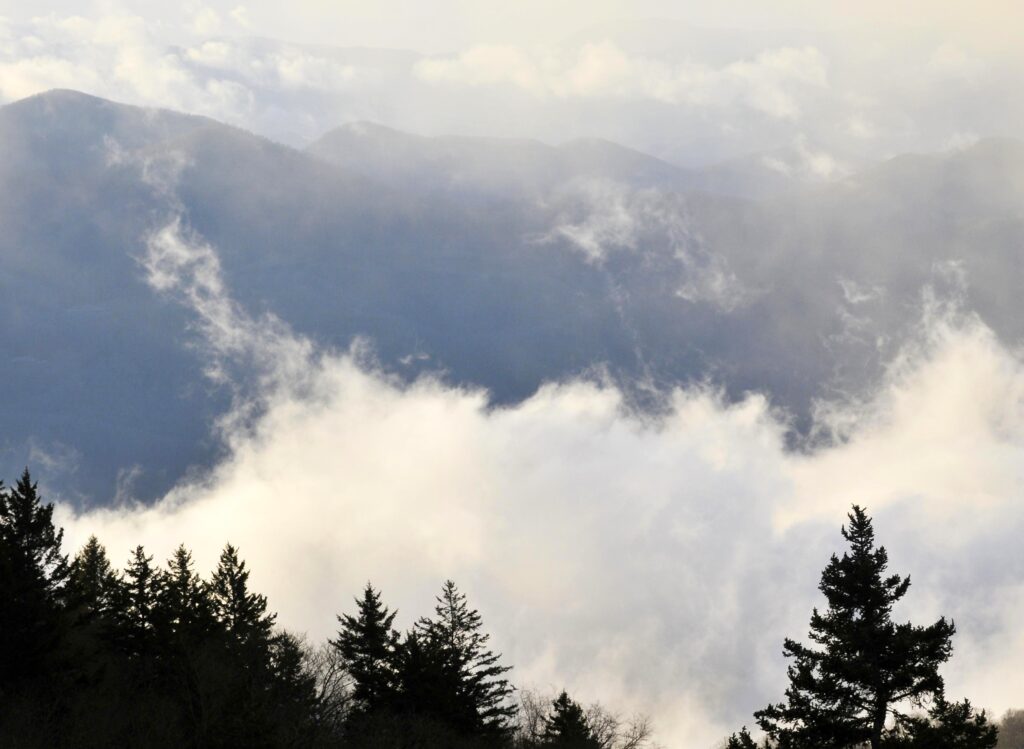
When precipitous clouds gather over the Appalachians, they release rainwater onto a diverse and dynamic ecosystem. Springwater also bubbles up from beneath this forested landscape.
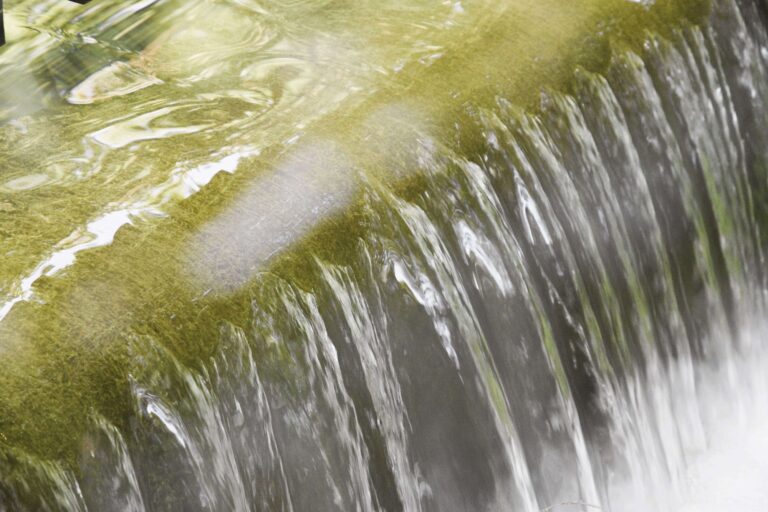
Together, these converging liquid resources create the local watershed. With names like Rattlesnake Run, Bailey Spring, Swift Run, and the renowned Antietam Creek, these cascading waters that tumble from the mountains have flowed through the Cumberland Valley for eons.
In addition to nourishing the native flora and fauna, this water supply also serves as the lifeblood for human communities downstream. One of those towns is Waynesboro.
In a process requiring diligence and ingenuity over many decades, these precious waters have been collected, sifted, cleansed, and fortified. Turn on the tap, and this liquid gold consistently flows; clear, cold, and pure. However, this natural resource is often taken for granted. A closer look reveals many of the challenges overcome and accomplishments achieved by Waynesboro’s water system.
Despite the short seven-mile distance from its mountain origins to thirsty consumers, this watery journey has taken over 140 years to achieve today’s efficient delivery. The history of Waynesboro’s water is a story of intelligent engineering and nonstop improvement.
In the early days of human settlement, people collected water by simple methods, mostly through individual efforts. A well was dug, or a pump installed, and water was collected in a cistern or stored inside basic vessels.
Waynesboro once offered a public pump in its town square. Local legend suggests that during the Gettysburg retreat in 1863, Confederate General Robert E. Lee stopped at that spot to water his horse, Traveler.
Back then, homesteads sprouted near natural water sources, since that supply was as vital as oxygen. As villages grew into towns and people congregated in larger numbers, a more sophisticated water system was needed for transportation, storage, and safe hygiene.
This new era initiated a series of public works projects that continued for over a century. These efforts eventually cost tens of millions of dollars.
By the 1880s, Waynesboro was a thriving town with nearly 5000 residents. Not only did its townspeople use water for personal use and agriculture, but new firefighting units needed it to douse fires.
The town’s local industry also required plentiful water to power growing enterprises, providing thousands of jobs and stimulating economic prosperity.
The first fire engine appeared on Waynesboro’s streets in 1879. Industry titans Frick Company and Geiser Manufacturing had launched their businesses a few years earlier, and others, such as Landis Machine Company, would soon follow.
The Waynesboro Water Company was chartered on July 11, 1882. Fittingly, Waynesboro’s first foray into water as a stand-alone industry occurred during a vital local development era.
Waynesboro’s first water investors were not only Borough residents; other backers came from Philadelphia. The Waynesboro Water Company eventually issued 12,000 shares of stock.
This new enterprise went to work quickly, laying seven miles of pipe in town and the countryside, with diameters ranging from 4 to 12 inches. The American Construction Company of Philadelphia was the project’s contractor.
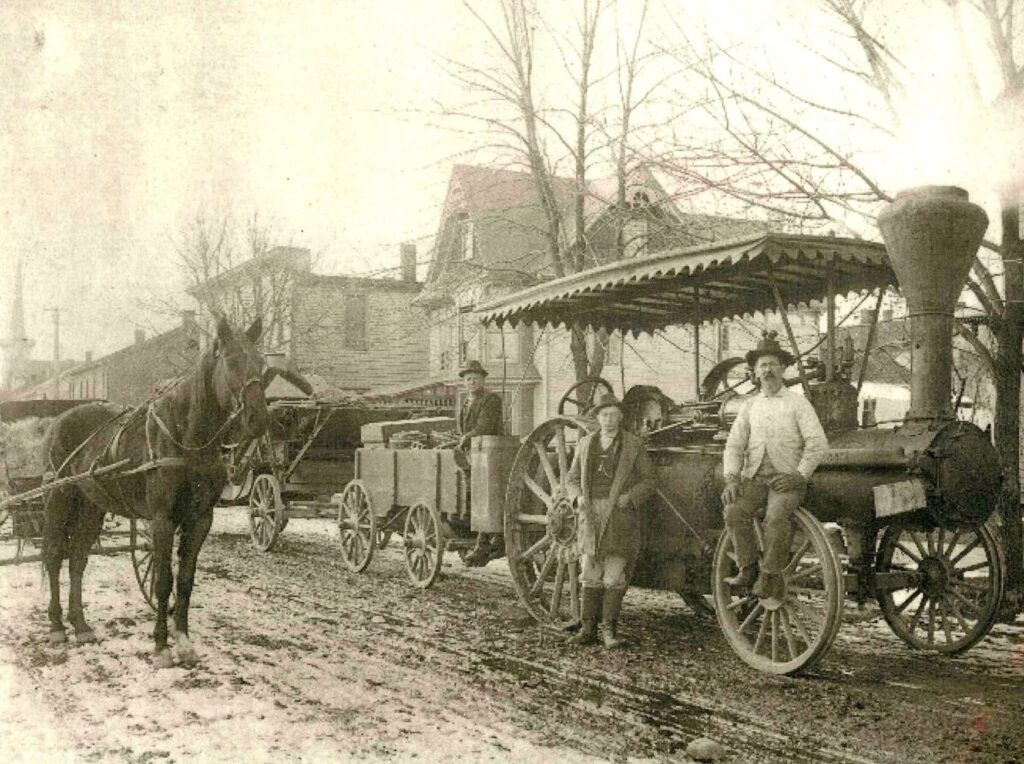
Insufficient water pressure was a transport problem. So, the water company built a pumping station in the Roadside community, three miles from Waynesboro. Geiser Manufacturing’s locomotive boilers powered those pumps, which propelled water toward town at 500 gallons per minute.
In 1883, a new reservoir was built atop a Mt. Airy Avenue hill with a 1.4 million-gallon capacity. This storage basin was 140 feet above the town square, or equal to the pinnacle of the Trinity Church spire. That 140-foot height differential was crucial. Gravity was a water system’s best friend.
A local newspaper article from that period described the optimistic process involved in transporting mountain water into town and storing it there. “Water passes through several screens and is filtered before discharging into the reservoir. No possible contamination can pollute the water, which is absolutely pure.”
As Waynesboro prospered, new water transmission lines were extended to the Old Forge area in 1900. This allowed the developing water system to tap into Rattlesnake Run, Swift Run, and the East Branch of Antietam Creek, in addition to the original water source at Bailey Spring.
A rustic caretaker’s house was built at Old Forge in 1914. The Water Company paid its laborers the standard wage for that time: 11 cents per hour.
A few years later, at the brink of the First World War, Waynesboro residents scratched their heads at the varying rates offered by their local water provider. The Leland Hotel, later the Anthony Wayne Hotel, was charged $50 per year for water usage. But the Central Hotel (now known as the White Swan building) paid only $38.50 for its annual water bill. Residential double houses often paid the same fee as single homes.
In 1920, the Borough of Waynesboro inquired about purchasing the private Waynesboro Water Company. That business claimed its enterprise was worth $420,000. The Waynesboro Town Council, led by President J.W. Crest, estimated the company’s value at $224,000.
On July 1, 1922, after a meeting at the Wayne Building, the two parties met in the middle, and Waynesboro became the water system’s new owner for $330,000. The sellers, 200 former stockholders who held between 1 and 400 shares, received $27.50 per share.
Another building phase commenced soon afterward. A new reservoir, holding 5 million gallons, was built at Old Forge in 1928. The next year, the aging Mt. Airy reservoir was replaced by an upgraded Waynesboro basin. This reservoir had over twice the storage capacity (3.5 million gallons) and was located on North Broad Street. The combined price tag for these infrastructure improvements totaled $99,340.
These projects were sufficient to carry Waynesboro through the Second World War, but in the post-war age, more improvements were necessary. The town needed to upgrade its water system. Once again, the community passed the test.
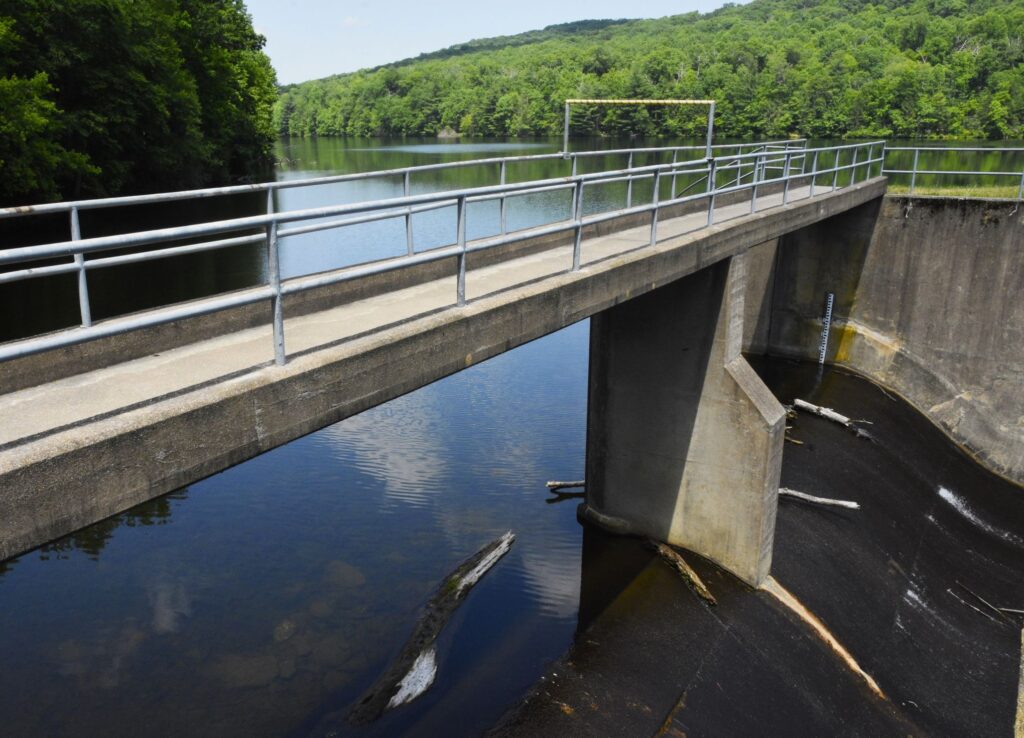
The Borough Authority was created in November 1951 for an ambitious purpose: to construct a gigantic Antietam Impounding Dam in the Appalachian Mountains. The targeted property encompassed 1100 acres and was located in Adams County.
With earthen walls that retained an impressive 150 million gallons of water, the new reservoir cost $520,000 when completed in 1952. Heavy rains that year quickly filled the once-empty basin to the brim, eight months ahead of schedule.
After this significant achievement, the Borough Authority didn’t rest on its laurels. A Standpipe Pumping Station was built in 1968, and the first Old Forge Treatment Plant was constructed in 1974. This latter plant treated 3 million gallons of water per day. In 1978, the existing in-town reservoir was replaced by a mammoth above-ground green water tank that held 3.5 million gallons. The old reservoir was eventually filled in.
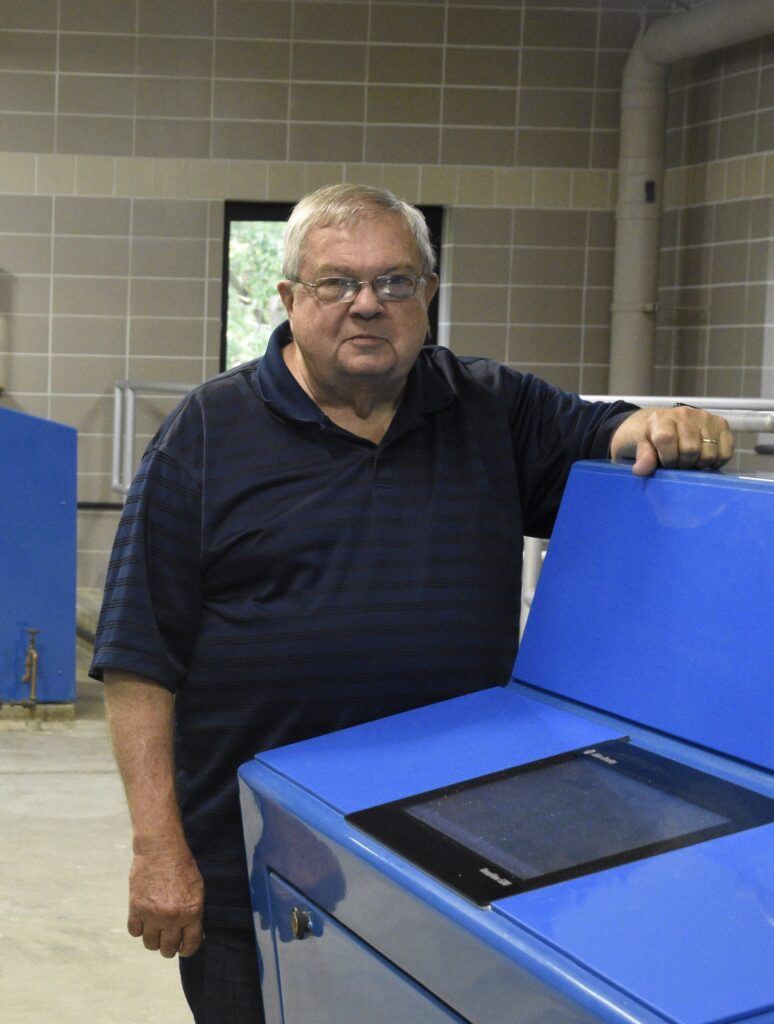
A new leader emerged for Waynesboro’s water system in 1979: Jon Fleagle. A U.S. Army veteran and a graduate of Penn State University, Fleagle is also a licensed Pennsylvania Engineer, which certifies him to oversee projects within the municipal water industry.
Under Fleagle’s guidance, Waynesboro’s water system has continued its innovation and growth. Fleagle also serves as a Waynesboro Ward 2 Borough Councilman and is the current Street Committee Chairman.
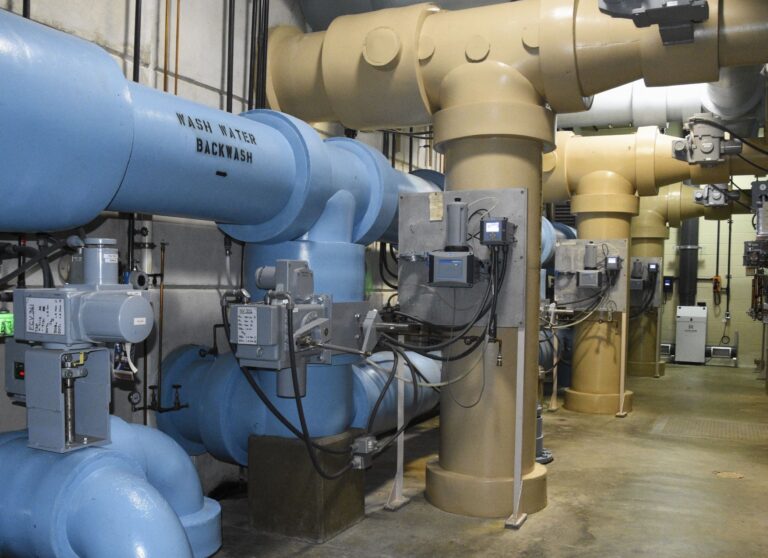
A modern Old Forge Water Treatment Plant was built in 1993. This $7 million project treats 4 million gallons per day. Waynesboro tapped its backup water source, Well Number 2, in 2009. This project cost $2.6 million and the water source generates 250 gallons per minute.
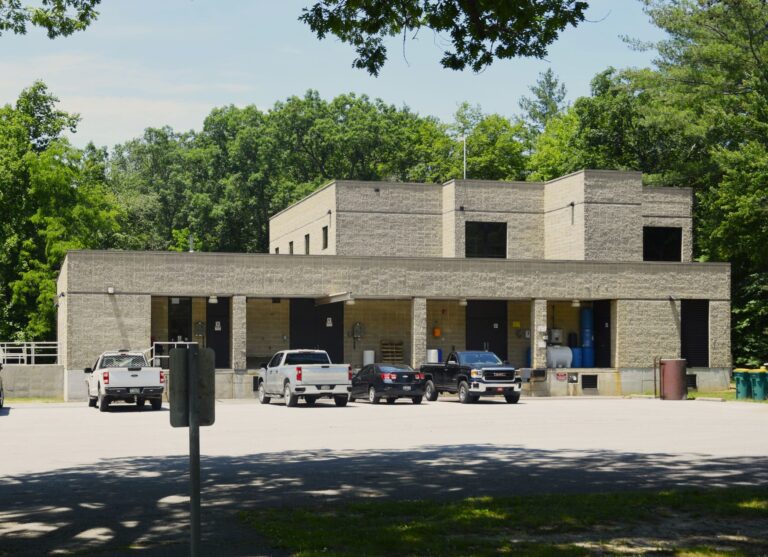
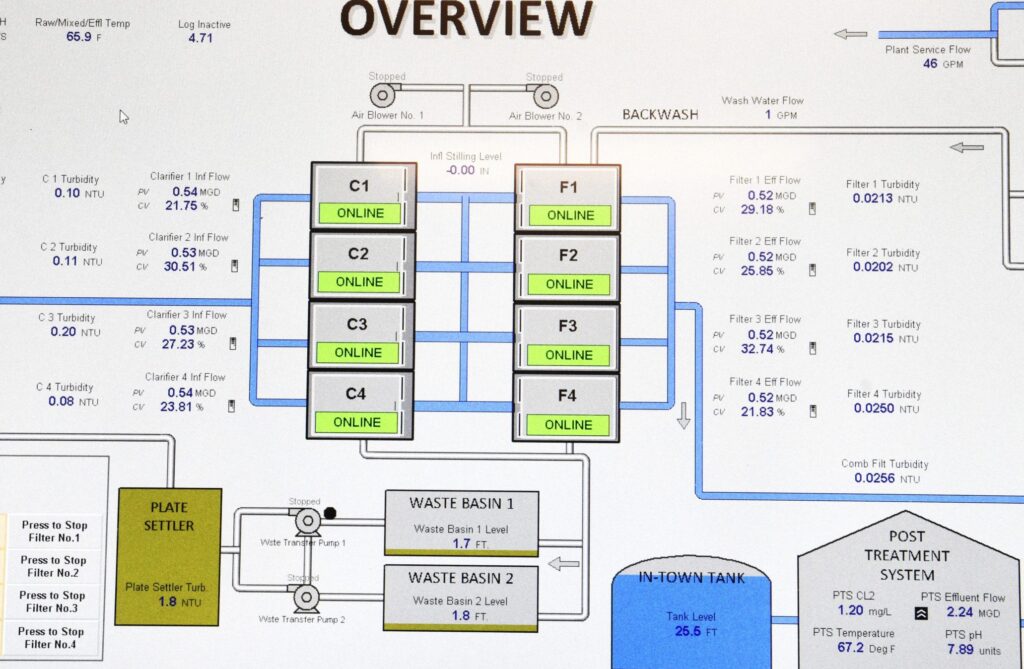
A visit to the current Old Forge Treatment Plant is an education in chemistry. Like most modern facilities, this plant is computerized and automated. However, its dedicated round-the-clock staff studiously watches all control-panel gauges and related metrics, and can take over manual control of the plant at any moment necessary.
The plant’s personnel supervise all the additions and subtractions during the treatment process. They monitor alkalinity, hardness, color, and turbidity, among many other qualities. Raw intake water is filtered on a microscopic level, using four large clarifiers and four giant filters.
This finely tuned equipment ensures that the finished product easily surpasses drinking water safety standards required by law. Every Waynesboro citizen can be thankful that the water system achieves this high level of expertise.
Today, Waynesboro uses 1.4 million gallons of water daily. With a 4 million-gallon-per-day treatment capacity flowing into 101 miles of pipe, and 150 million gallons of water banked in a scenic reservoir for a not-so-rainy day, the water system’s 8100 customers enjoy reliable service and protection from drought.
After 46 years in the water industry, and still leading the team, Jon Fleagle is justifiably proud of the system’s achievements. “We refurbished the Old Forge plant,” Fleagle said. “We replaced filters and upgraded the computer systems.” This 2024 project cost $5 million.
A future emergency spillway is also planned at the Antietam Impoundment Dam, as the Waynesboro water system continues to invest in the community’s future.
In a 1970s newspaper column, local writer and historian Wib Davis lauded Waynesboro’s drinking water. He said with obvious hometown pride that the community enjoyed “the finest water in the world.” Considering its pure source of Appalachian rainwater and the local water system’s history of innovation and success, Wib’s boast may be right. Waynesboro’s water is the elixir of life.