TOP 12 LIST: A DOZEN NATIONAL REGISTER HISTORIC PROPERTIES IN WAYNESBORO/WASHINGTON TOWNSHIP
By The Daily Boro Staff
Editor’s Note: All information was obtained from the NRHP database, and the properties are listed in alphabetical order.
1. BOROUGH HALL, WAYNESBORO
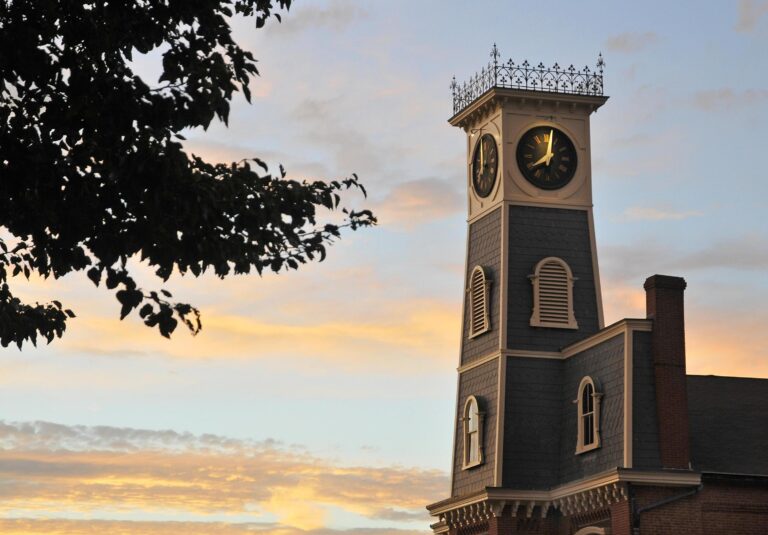
Built in 1881 as the “Academy of Music,” the building is now home to Waynesboro’s government offices. The Italianate-style structure has Second Empire motifs and has served as a theatre, library, and public market during its history. Due to its iconic identity, the building has become a beloved symbol of Waynesboro.
2. JERIMIAH BURNS FARM, WASHINGTON TOWNSHIP
The property consists of a home (built in 1832), a hewn timber frame barn, and a small shed. It also includes a millrace. The house is a two-story brick seven-bay structure designed in the Greek Revival style.
3. ALEXANDER HAMILTON HOUSE, WAYNESBORO
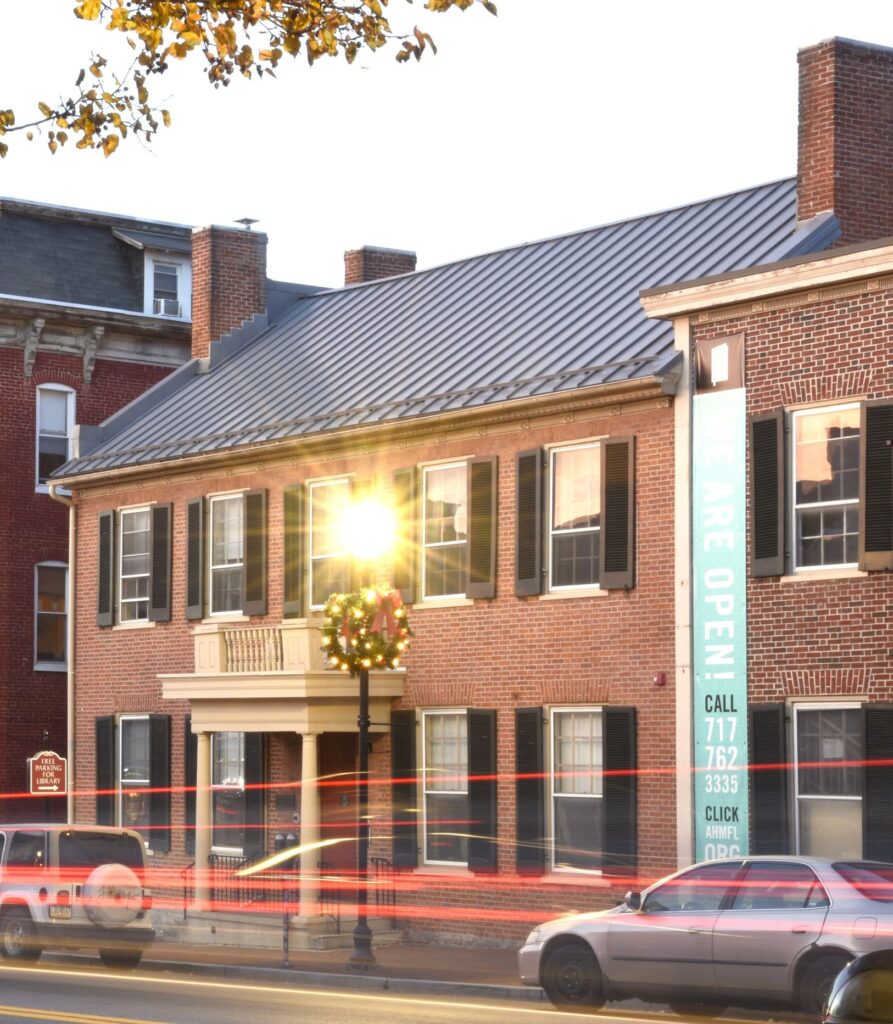
Now home to the Alexander Hamilton Memorial Free Library, this structure was built around 1816 by John Bittinger and later purchased by Hamilton in 1842. The home is a Georgian-style, 16-room brick house. This property remained in the Hamilton family until 1943, when the final descendant, Jane Yost, bequeathed it to Waynesboro as the first permanent home for a community library.
4. HANDYCRAFT FARMSTEAD, WASHINGTON TOWNSHIP
This historic farm was listed as an NRHP property in 2002. It consists of a main house, built around 1790, a smokehouse, a hewn frame timber barn, a log secondary house built around 1840, and an animal shed/barn.

5. HARBAUGH CHURCH, WASHINGTON TOWNSHIP
This brick Late Gothic Revival-style church is currently owned by the Waynesboro Historical Society. Built in 1892, this lovely structure has a steep slate-covered gable roof, brick buttresses, and lancet stained glass windows. This current church replaced an original building built in 1846. The structure hosted Reformed denomination services in its early years, but later became a non-denominational place of worship. A cemetery is also included on the grounds.
6. MONTERY HISTORIC DISTRICT, BLUE RIDGE SUMMIT
This district comprises 60 buildings, which are associated with late nineteenth-century summer resort tourism in Franklin County. The area includes structures representing various styles, such as Late Victorian, Georgian Revival, and Colonial Revival-style dwellings. The district also includes a church and barn structures, and it became an NHRP historic district in 1976.
7. JOSEPH OLLER HOUSE, WAYNESBORO
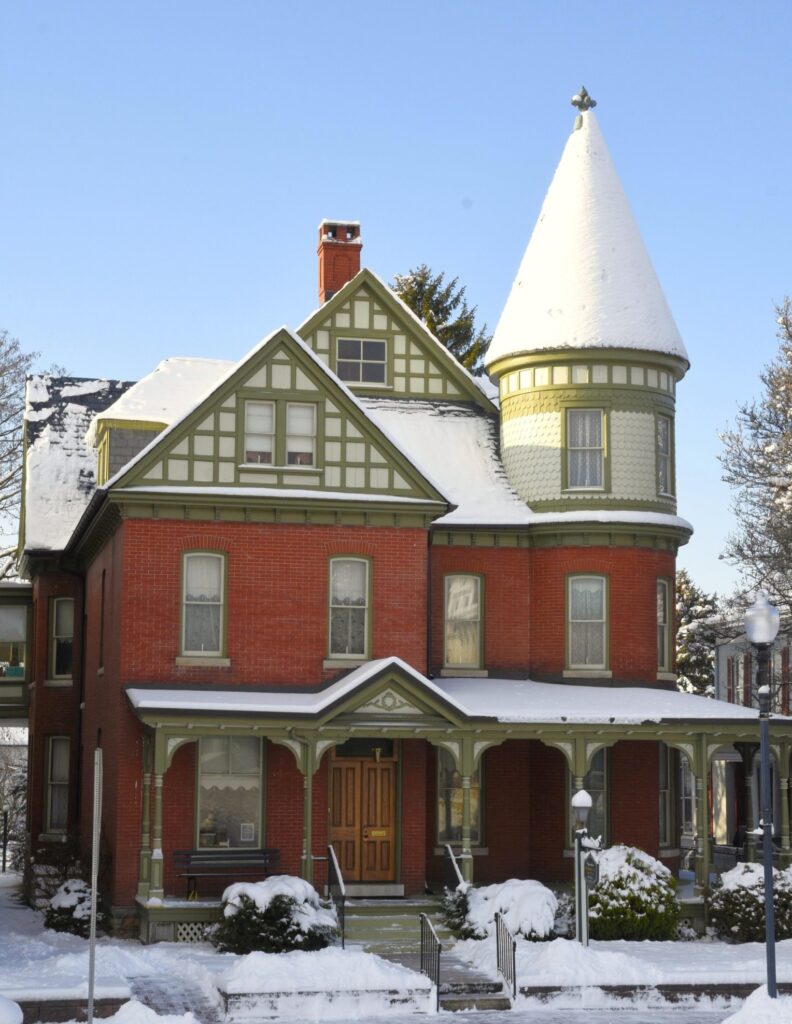
Now serving as the headquarters for the Waynesboro Historical Society, this Victorian gem was listed on the NRHP in 1996. Completed in 1892, this Queen Anne-style brick home has 17 rooms and a projecting round bay topped by a tower and conical roof. A two-story addition was added in 1910, and the property also includes a stable and a carriage house. The home’s last inhabitant, Rello Oller, bequeathed the property to WHS in 1992.
8. ROYER-NICODEMUS FARM, WAYNESBORO
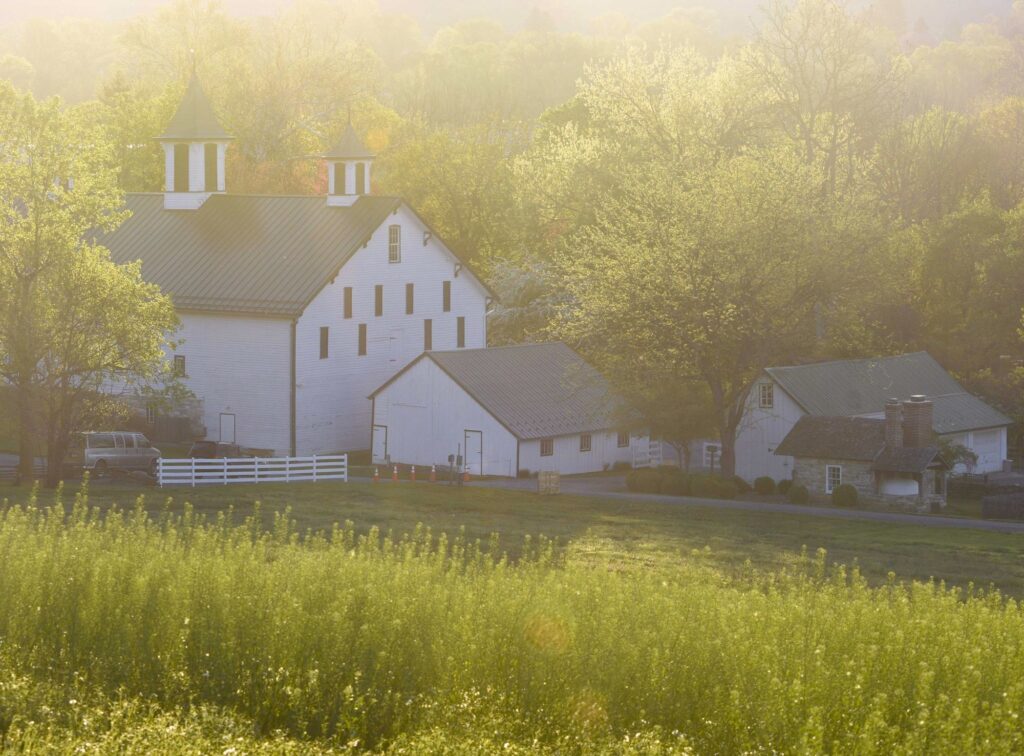
Now known as Renfrew Museum and Park, this property consists of a stone manor house, a large frame barn with distinctive cupolas, the Fahnestock farmstead with a brick home and barn, a smokehouse, and other historic buildings. The manor house was built in 1812, and the nearby barn in 1896. The property was deeded to Waynesboro in 1973 by Emma Nicodemus upon her death.
9. SPRINGDALE MILLS, WASHINGTON TOWNSHIP
Also known as Shank’s Mill, this historic grist mill is a local landmark on Amsterdam Road. The 3 ½-story brick structure with a fieldstone foundation was built in 1857, and it ground grain with a 24-foot-diameter Fitz overshot wheel installed in 1910. The mill is still operational today.
10. WAYNESBORO ARMORY
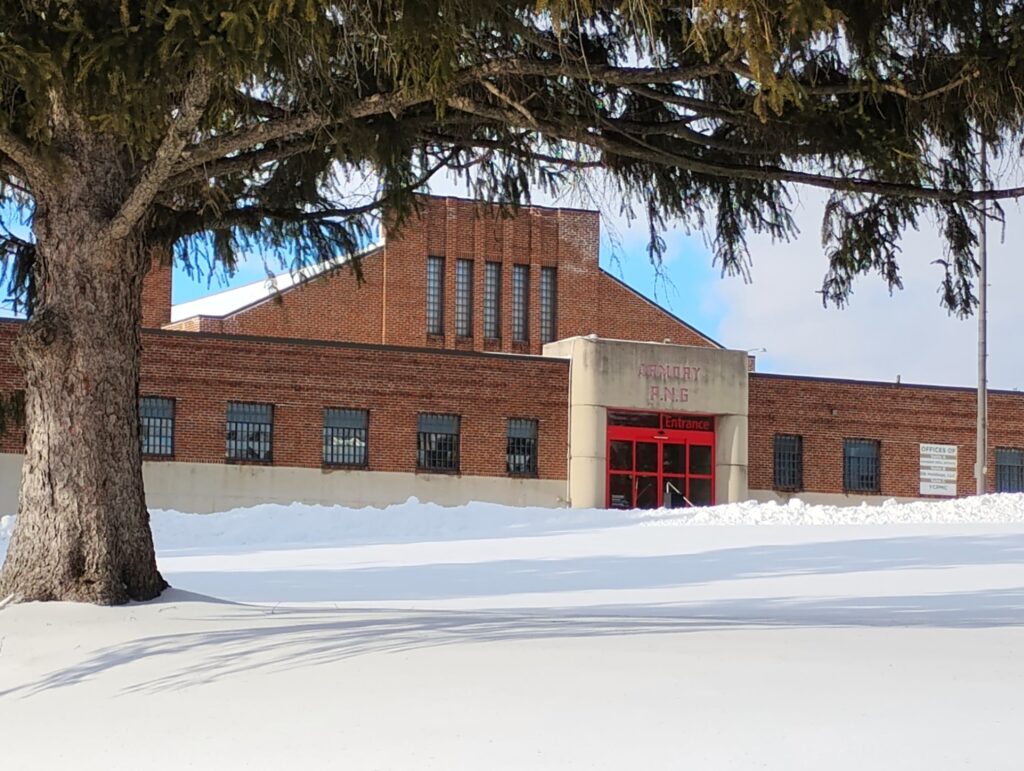
The building was built in the Moderne style, and it included three sections: a drill hall, administrative offices, and a stable. Constructed in 1938, it was part of the Public Works Administration program during the Great Depression. The former Pennsylvania National Guard property is now home to offices for real estate and other businesses on Grant Street.
11. WAYNESBORO HISTORIC DISTRICT
Achieving the distinction of an NRHP Historic District in 2020, this collection of downtown buildings includes the previously mentioned Hamilton/Oller/Borough Hall properties, plus many other commercial sites and homes. The district is significant for its contributions to the area’s development and showcases a variety of architectural styles.
12. WELTY’S MILL BRIDGE, WASHINGTON TOWNSHIP
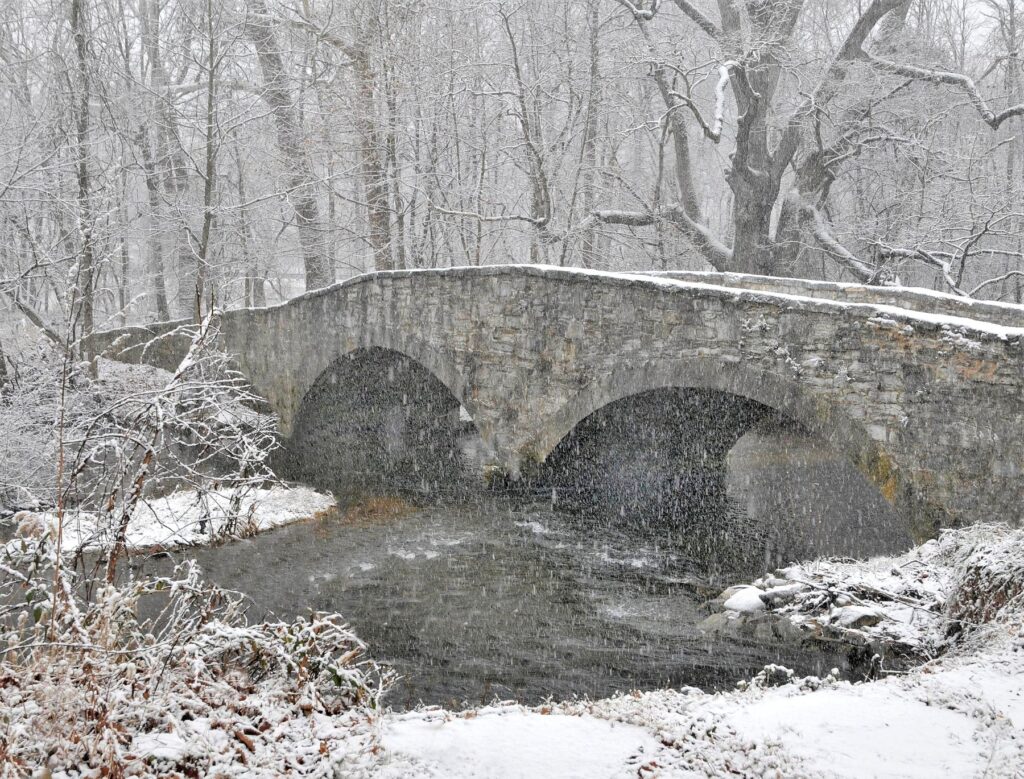
This beloved and iconic local landmark is a twin-arched stone bridge constructed from limestone in 1856. Built by aptly named Daniel Stoner, the 137-foot-long, graceful structure crosses the east branch of Antietam Creek. The Waynesboro Historical Society owns the bridge and is working toward its full restoration. It is one of many similar preserved structures in Franklin and Washington Counties. A modern bridge replaced Welty’s Bridge, so the span serves as a monument to earlier transportation.