POCKETS BILLIARDS MENTORS STUDENTS WITH UNIQUE AFTER-SCHOOL PROGRAM
By Robb Helfrick
When Pockets Billiards approached the local school district to propose an after-school pool program, they were met with puzzled faces. What could students learn by playing billiards in a local pool hall, school administrators wondered. Scott Emory, the owner of Pockets, along with Ron Namendorf, the venue’s manager, who conceived the program, were prepared for that question. They brought a 207-page manual that explained exactly how they would teach kids in a unique learning environment.
Emory and Namendorf saw pool as a way to mentor kids beyond the game itself, using it to teach life skills such as etiquette, math, and sportsmanship—lessons designed to have a lasting impact.
Namendorf is a skilled pool player and has played the sport for decades. He believes the game goes beyond competition, and wants to share that wisdom with students. When the 2025-26 classes began in September, the school district gave the green light to Pockets. The program started on Wednesdays after school and approximately 15 students took advantage of the free pool mentoring.
The program is designed similarly to other after-school sports activities, with rules and regulations. Each student is required to honor them to remain in the program. Students must stay on the premises for the entire duration of classes and can leave early only with a parent’s permission. Foul language and uncivil behavior toward other students are not tolerated.
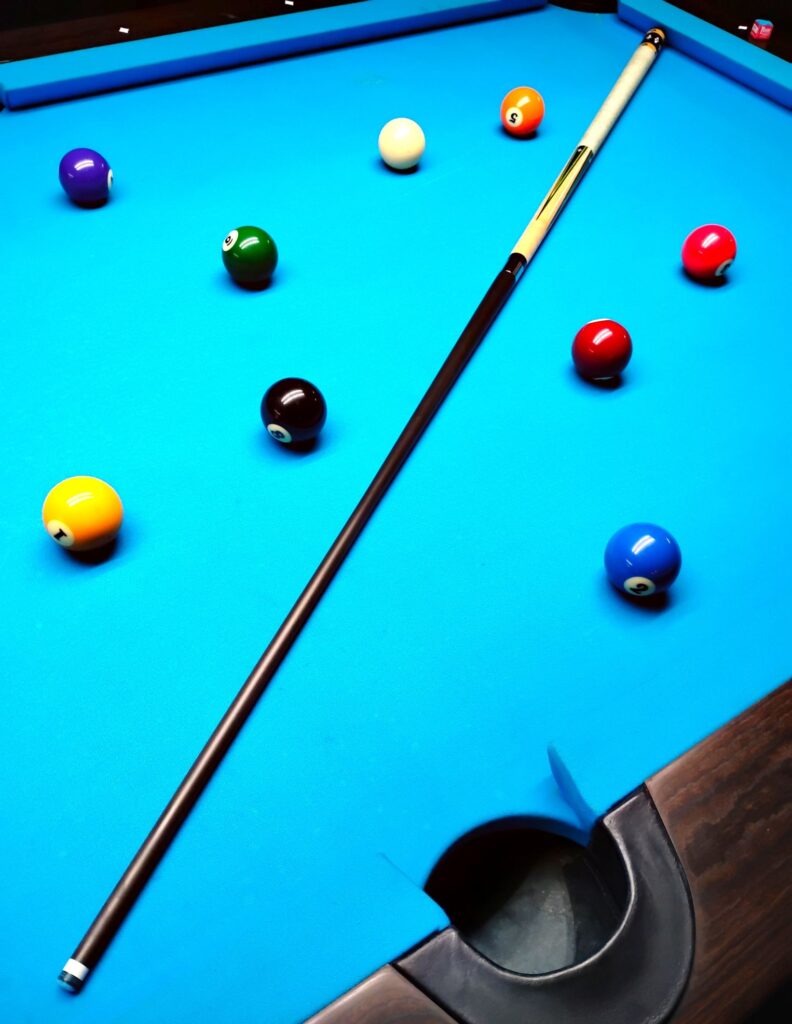
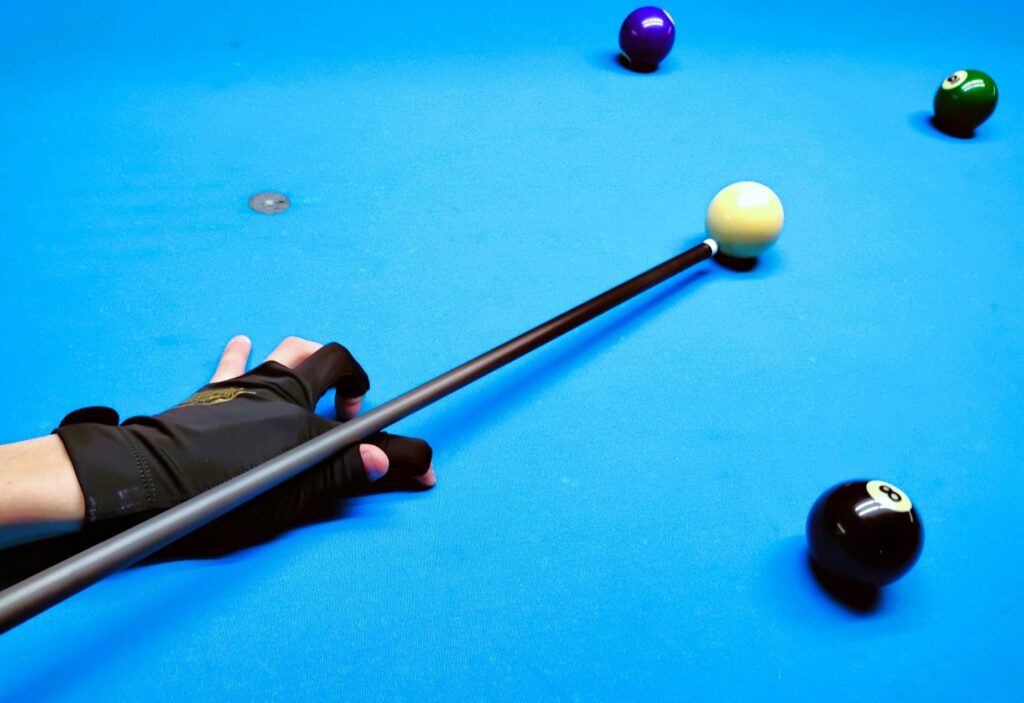
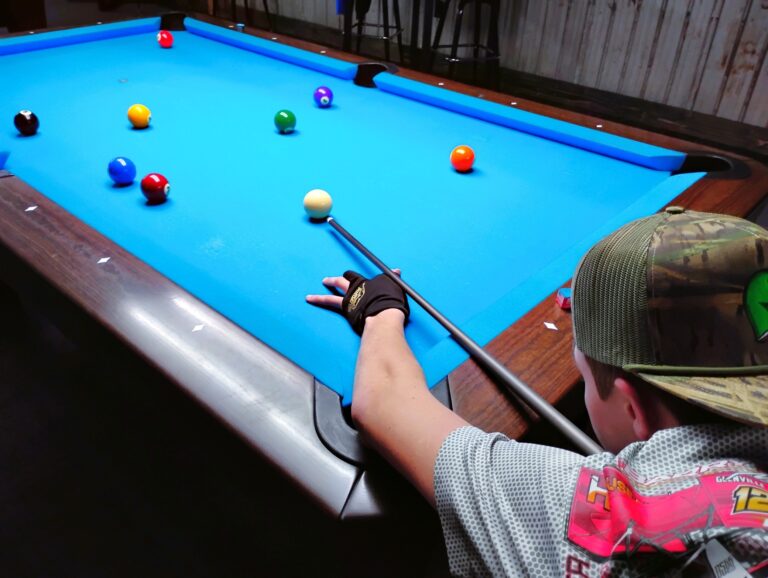
Each week, Namendorf teaches a specific aspect of billiards. The first classes began with the basics of the sport: how to hold and support the cue stick, how to strike the ball, the proper stance, and rules for the most common games. “It’s a club, and we want it to be fun for the kids,” Namendorf said.
After covering the basics, Pockets expanded its focus, teaching that billiards develops strategic thinking and math skills. To excel in the sport, a player must be part mathematician. Mastery requires understanding geometry, physics, and planning—abilities central to both pool and broader life challenges.
Similar to other sports, practice and persistence are key elements for success. Performing drills and other non-competitive exercises aren’t the exciting parts of the sport, but they provide dividends. This teaches students that hard work pays off, not only in billiards but in every aspect of life. “You’re only entitled to what you earn,” Ron said.
Namendorf points out that billiards is one sport where people with any level of athletic ability can play, without the need to sprint, jump, or be in top physical shape. While having good eye-hand coordination is an advantage, once fundamentals are learned, anyone can play pool and enjoy it for a lifetime.
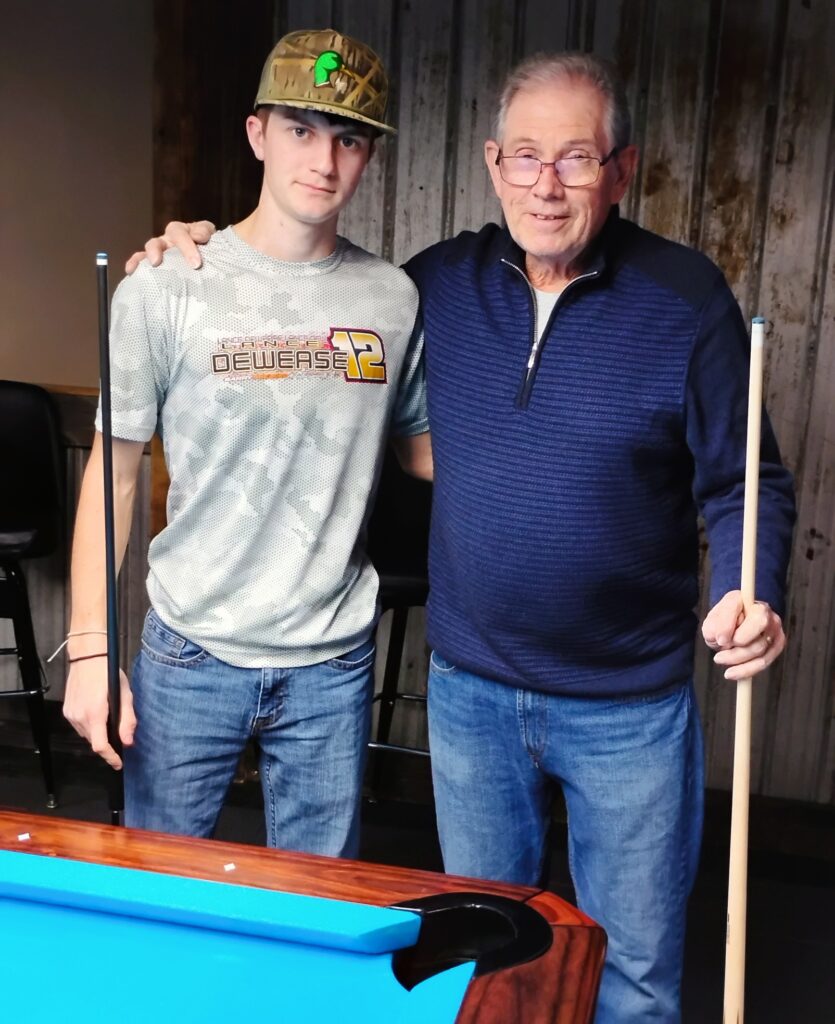
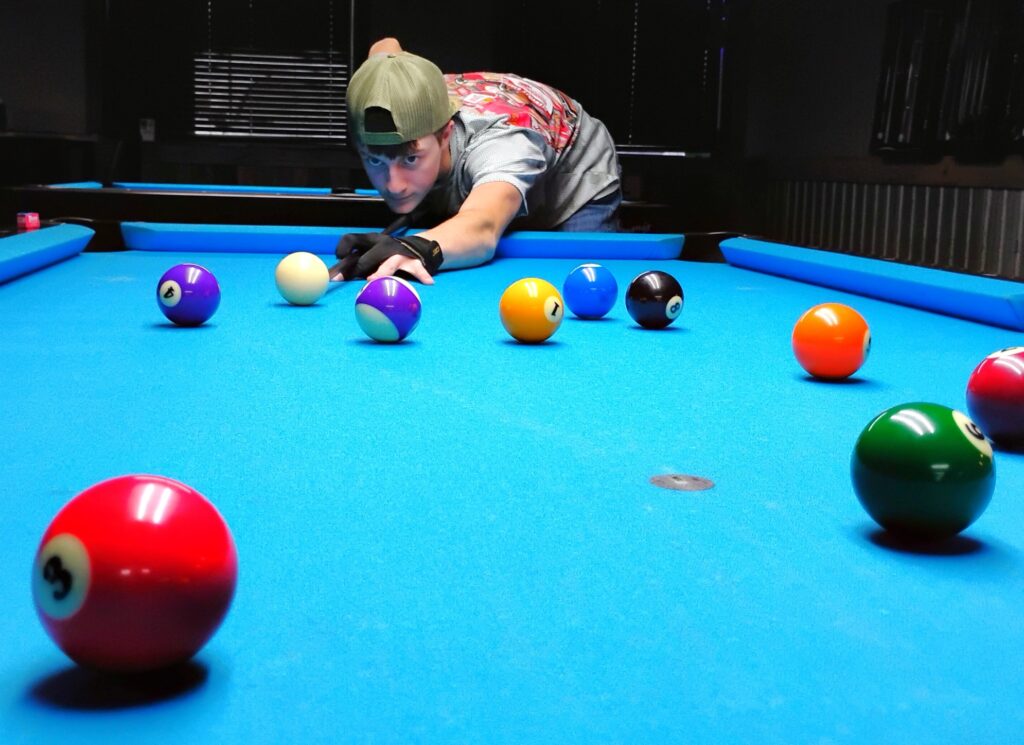
At a recent Wednesday class, Namendorf greeted the students as they entered Pockets. He introduced Kolt Ebersole, one of his star pupils. The 16-year-old brought two cue sticks (one being a custom-made model with a graphite shaft) and an appetite for learning.
Ebersole was eager to practice, absorb advice, and play other club members in his quest to become a top player. He is already scheduled to play in the Junior Nationals next spring in Philadelphia. He and Namendorf have also played doubles together in a Pockets-sponsored league.
“Kolt has natural ability,” Ron said with a smile. “He has the talent and the thought process. Most kids, even adults, can’t do what he does. He understands the concepts. Every shot has a reaction, depending on where he hits the cue ball.”
“It took me a long time to learn,” Kolt said. But he acknowledged how far he’d come at such a young age, first inspired by his Dad’s play, and then learning through mentors. “I’ve had a lot of good people teach me. I’ve had professional lessons.”
Kolt said he’d learned to manage his mindset better by not getting too down when his play frustrated him. “It’s a mental game. You have to control your emotions.”
Namendorf agreed and said that aspect of Kolt’s game had improved tremendously. “In this game, if you make a mental error, you lose,” Ron said. “We teach accountability for your actions. If you can learn to keep your cool and stay calm, you’ll be fine.”
On this particular day, the lesson focused on pool etiquette and rules for teams in league play. The program stresses teamwork, and Namendorf explained the concept. “It teaches them responsibility. Playing as a team, you’re accountable to your teammates. By teaching that principle, it gives students a better view of what’s ahead for the rest of their lives.”
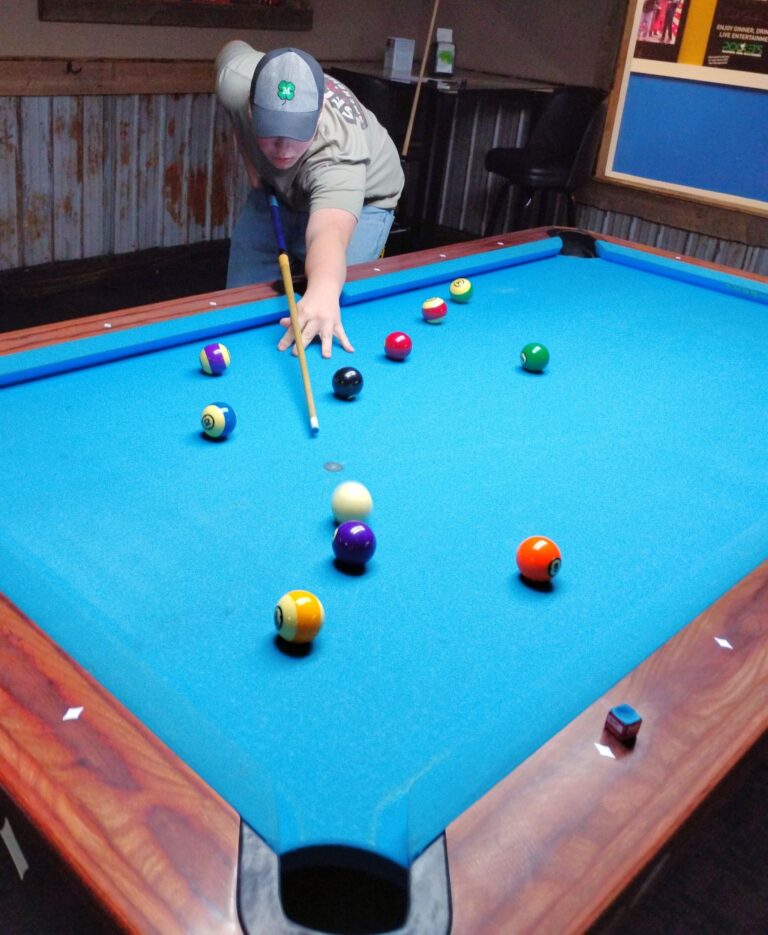
Nick Stouffer is the school representative who helps mentor the students. “I love seeing them grow,” Stouffer said, about watching how the students absorb advice, learn fundamentals, and practice the right shots to take in game situations. Stouffer also enjoys the sport and said there is a talented pool of local players that the students can emulate. “I think pool reflects a lot of life,” Nick said. “There are plenty of opportunities since the sport has been growing.”
Pockets also caters to adult players, with tournaments and other competitions almost every night of the week. As many as 700 players visit the pool hall weekly, which hosts 10 tables in a professional setting.
To encourage younger players, the venue offers kids with a High School ID a 50% discount on play every day. Pockets serves food, but not alcohol, which reinforces the student pool program’s goal to host a safe environment for kids.
Pockets hosts the only billiard club for high school students east of the Mississippi River. The venue’s goal is to inspire America’s youth to be engaged in the sport and play it for life. They hope other local schools will follow suit and believe that every high school should have a billiards team, like they do for football and basketball. “The success of this program will allow us to grow the sport with other high schools,” Namendorf said.
For the immediate future, Pockets is focused on Waynesboro’s aspiring junior pool players. Ron asks a simple question as they pursue their program: “What can we do to make these kids better, not only in pool, but in life?”