RENFREW AT 50
A Tradition of Culture and Beauty
Article and photographs by Robb Helfrick
Renfrew Museum and Park celebrates its 50th anniversary this year, and during its half-century of existence, it has nurtured traditions that trace back to Waynesboro’s founding era.
Within this scenic 107-acre property, the interconnected legacies of agriculture and architecture are beautifully preserved as a historic Pennsylvania German farmstead. These physical and emotive vestiges are treasured by visitors amid a moving Cumberland Valley landscape.
Renfrew’s lovely grounds are a haven for nature lovers who enjoy a mix of habitats, from bubbling Antietam Creek to secluded woodlands, open meadows, active farmland, all contained within undulating terrain that affords panoramic views of the surrounding Appalachian Mountains.
Combined with Renfrew’s impressive mixture of exhibits, programs, and events, these attributes perfectly balance the property’s historic relevance from its bygone eras with 21st-century cultural significance.
This lush landscape seduced the area’s first European settlers in the 1700s. A Scotch-Irish family named Renfrew came to this property during that era and made their home here. During the French and Indian War, southern Pennsylvania was situated in the crosshairs of conflict, and early settlers faced continuous peril. According to local lore, two young Renfrew sisters met their death at the hands of Native Americans on the family’s property in 1764.
Later, German/American tanner Daniel Royer acquired this tract, and together with his descendants, they created a successful and lasting agrarian/business enterprise that included two farms and a grist mill, situated on 150 acres. The Royers exhibited the lively can-do spirit of frontier Americans with their industrious, innovative, and ingenious ways.
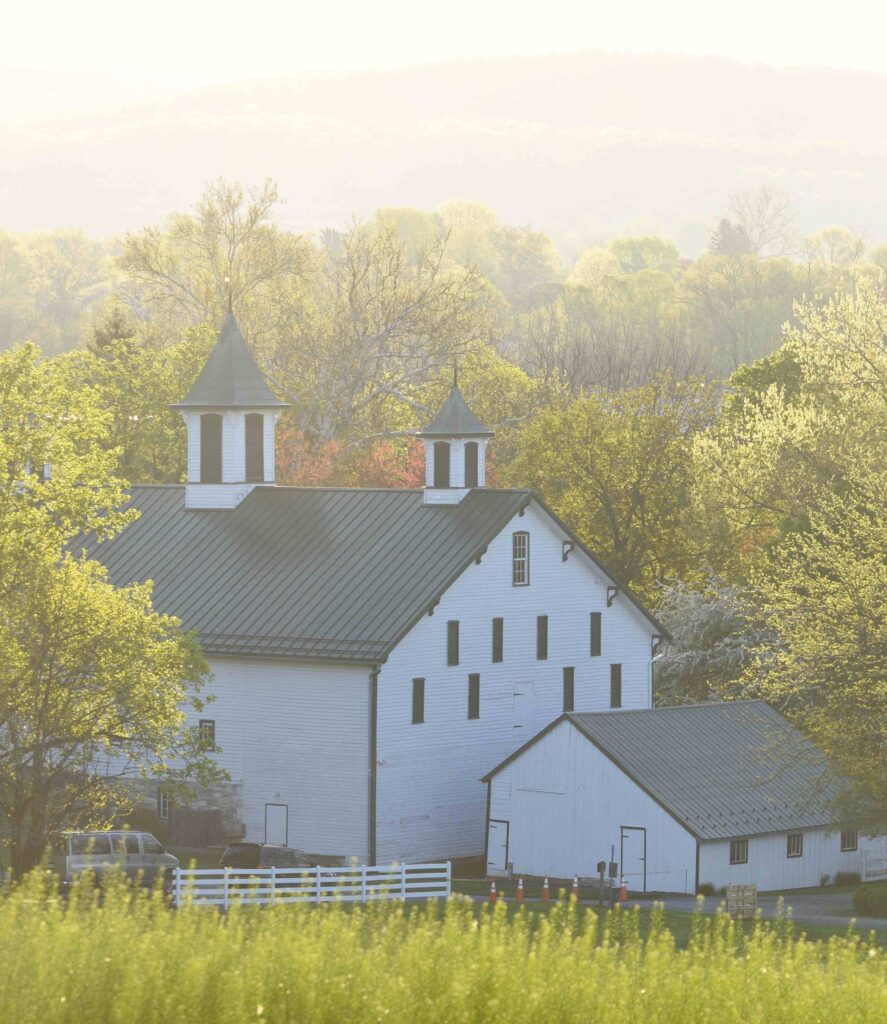
A stately stone manor house was built in 1812, followed by a smokehouse, and a milkhouse. Later, a signature white and green-trimmed Victorian-era barn was raised. These structures, known as the Royer-Nicodemus House and Farm, were designated as a National Register of Historic Places property in 1976, one of the first such listings in Pennsylvania.
The Royers hard work significantly influenced this property’s growth, and Renfrew’s last private owners also created a huge imprint that is still experienced today.
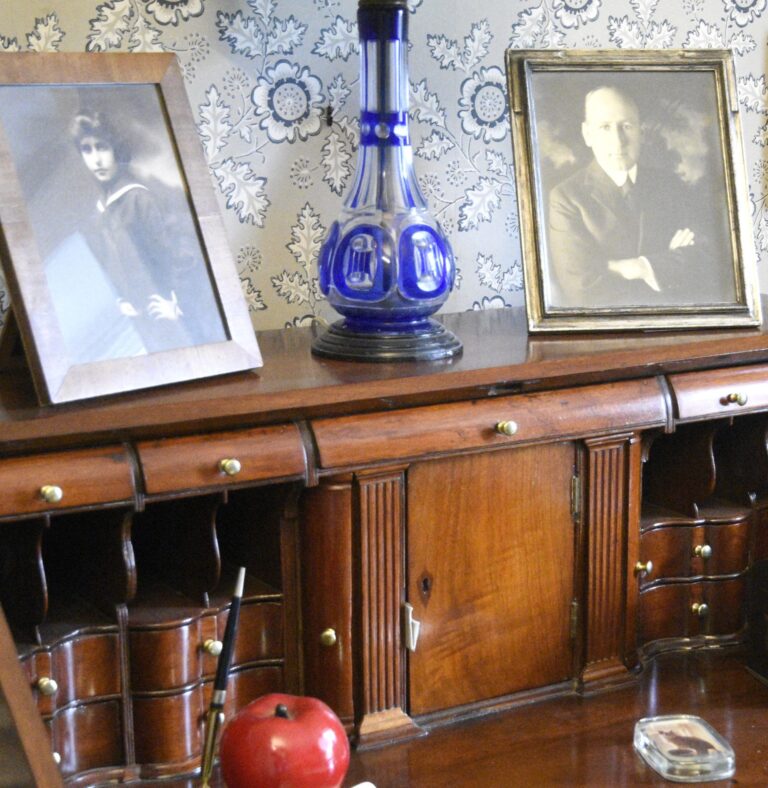
Edgar and Emma Nicodemus purchased the estate, and during multiple decades the couple faithfully restored the property. Emma Nicodemus was a passionate art collector, personally curating a large portfolio of Early American artifacts that reflected her cultured style and creative flair. When widow Emma died in 1973, she bequeathed her entire property and belongings to Waynesboro’s fortunate citizens.
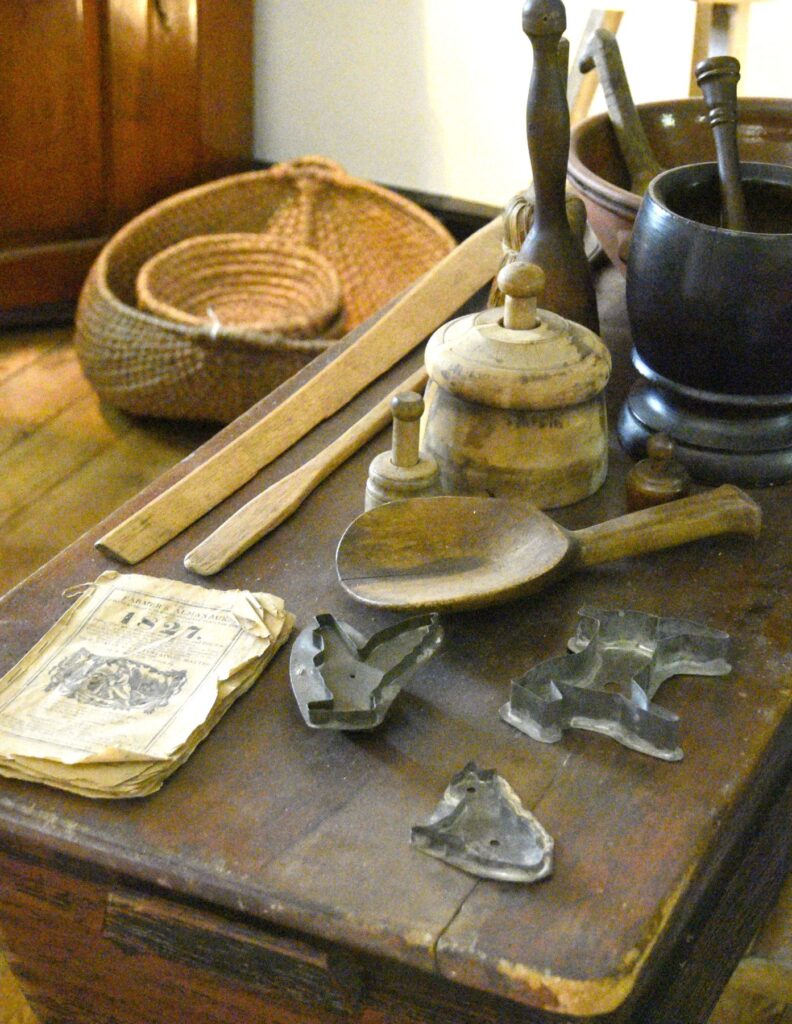
Renfrew became a museum and park in 1975, honoring Nicodemus’s request to preserve this unique property’s multi-faceted heritage. Today, her art collection is the core of Renfrew’s impressive assembly of nearly 5000 artifacts. This varied group of pieces shows how local artisans created both utilitarian and decorative pieces for the area’s early American inhabitants.
Among Renfrew’s holdings are a remarkable collection of John Bell folk pottery, locally made Pennsylvania/Kentucky long rifles, textiles, furniture, and farm implements. Many of these items are featured inside Renfrew’s modern museum in an attractive and informative setting.
In addition to Renfrew’s manmade architectural and art treasures, the property’s landscape beautifully illustrates the passing of seasons and the lure of simpler agrarian times.
A stroll along the creek provides frequent sightings of great blue herons, kingfishers, and other water-seeking birdlife. In the shade of Renfrew’s forest, whitetail deer are plentiful. Curious fawns peek through trees in the spring, testing newfound independence.
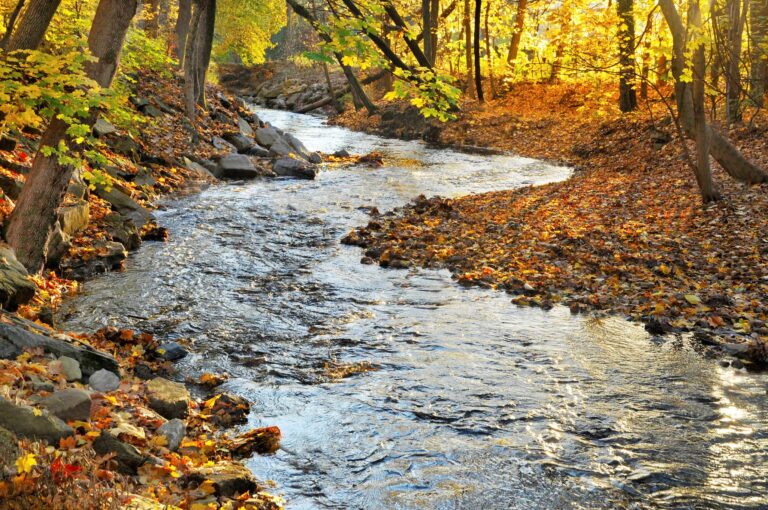
Each season brings new discoveries around Renfrew. Delicate wildflowers carpet the forest floor in springtime. Nature’s bounty is clearly evident in summer as this landscape flourishes during the growing season. Deep green foliage provides seclusion in dense woodlands. Bright sunlight illuminates open fields and pushes cornstalks taller than a man’s head.
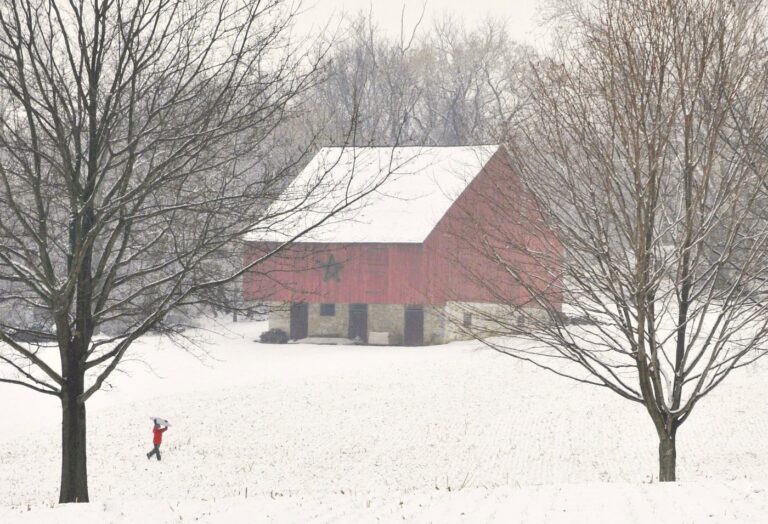
In winter, a dusting of snow brings the romantic aura of an impressionist painting to a quiet rural setting.
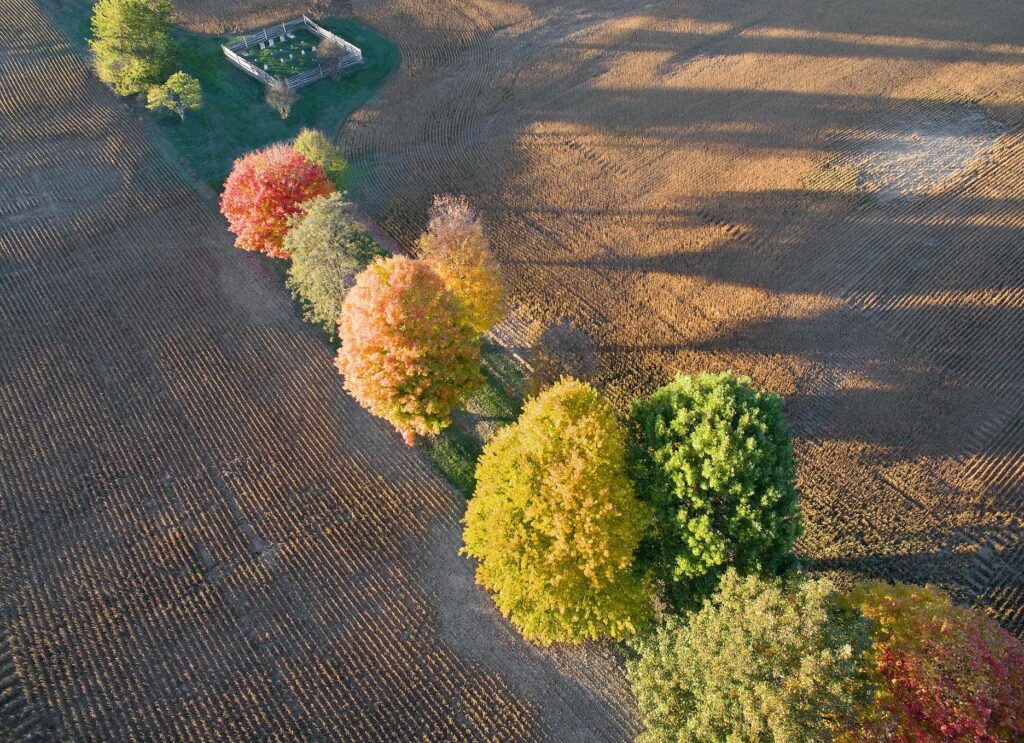
Autumn is the prime season at Renfrew. Newly harvested fields and vibrant falling leaves open up grand vistas on the property. Scanning eastward with an elevated view toward the barn, this cultivated landscape paints an enduring picture. It is a reminiscent vista, looking backward in time. Renfrew honors its agricultural roots.
A series of trails meanders through the park, offering a casual stroll or more strenuous hike at any time of year. Two bridges span Antietam Creek, giving Renfrew walkers several options for east/west exploration. These pathways connect with the Ed Miller Trail, a paved walkway that travels south to Otterbein Community Park or leads west into town, finishing at Memorial Park. Renfrew’s grounds are open from dawn to dusk year-round and are free gift to the public.
Seen on Renfrew’s southern grounds is the Fahnestock farm. This complex of 19th-century buildings includes a restored (1808-built) stone home, reconstructed bank barn, limestone kiln, a ‘four-square’ garden, and foundation ruins of an original creek-side mill. The Fahnestock family was an integral part of the Renfrew property for many years and directly tied to the Royers successful farming and milling efforts. This collection of Fahnestock structures is an important historical feature at Renfrew.
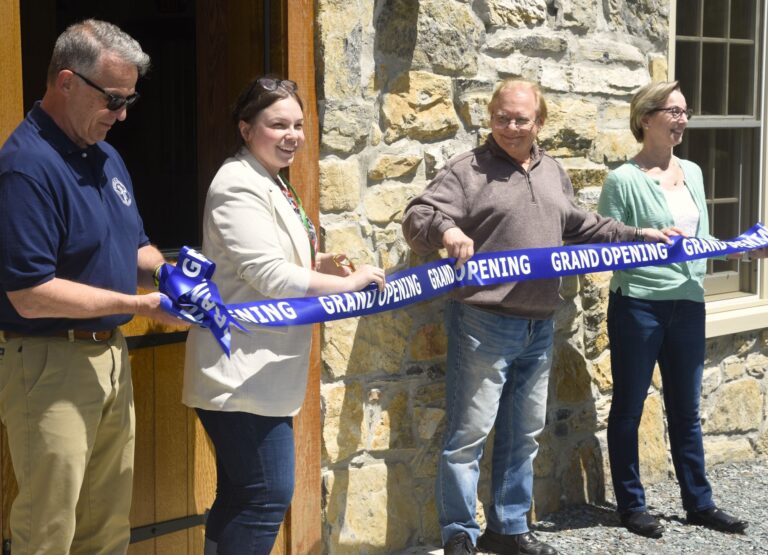
Adjacent to the Fahnestock Farm, an ambitious new project recently completed its first phase at Renfrew, the addition of a new grist mill. The handsome contemporary limestone and brick veneer building is evidence that Phase 1 is finished. Phase 2 will complete the inner workings of the mill, and this process will utilize water pumped in from a newly installed underground piping system, not stream water.
Renfrew is actively engaged in a fundraising campaign to complete that effort. A generous donor contributed most of the funds to initiate the exterior structure. When the building is completely finished, Renfrew will interpret a recreated rustic element from the property’s storied past.
Back in 1807, the Royers constructed a grist mill on this property that utilized two 14-foot overshot wheels to power two sets of grindstones. Water was diverted from Antietam Creek via a 1200-foot headrace, and after providing a reliable power source, it was channeled back to the creek by a 1000-foot tailrace. A vintage attempt to convert this old mill into a creamery never succeeded, and the original Royer mill was demolished in the late 1890s.
In modern times, Dade Royer, a descendant, is Mayor of Waynesboro, and the Renfrew property remains important to him and his family. “It’s a very special place to me and a great community asset,” Royer said. “I walk the trails and its relaxing being out in nature. I think Emma would be pleased by everything that has happened here during the last 50 years.”

Off in the distance, a small cemetery reposes in the cornfield, a resting place for past inhabitants who perfected agrarian-centered lives on this land. Weathered headstones are etched with names of Waynesboro’s first settlers, including John Burns. Burns (1747-1802) was a pioneer patriot who immigrated from Scotland. He made a home along Antietam Creek, later running a blacksmith shop and sawmill. Burns also built a local log meeting house, forged a cannon fired in the Revolutionary War, and fought bravely for a new nation’s freedom.
During the Cumberland Valley’s illustrious past, various local industries sprouted, creating new machines and technologies to increase agricultural production and simplify annual harvesting. The success of the farmers who followed the Royers is a vital element in a bond formed between industry and agriculture. Like a precious stone discovered in a streambed, Renfrew personifies this combined history and rich culture in one beautiful and intriguing property.
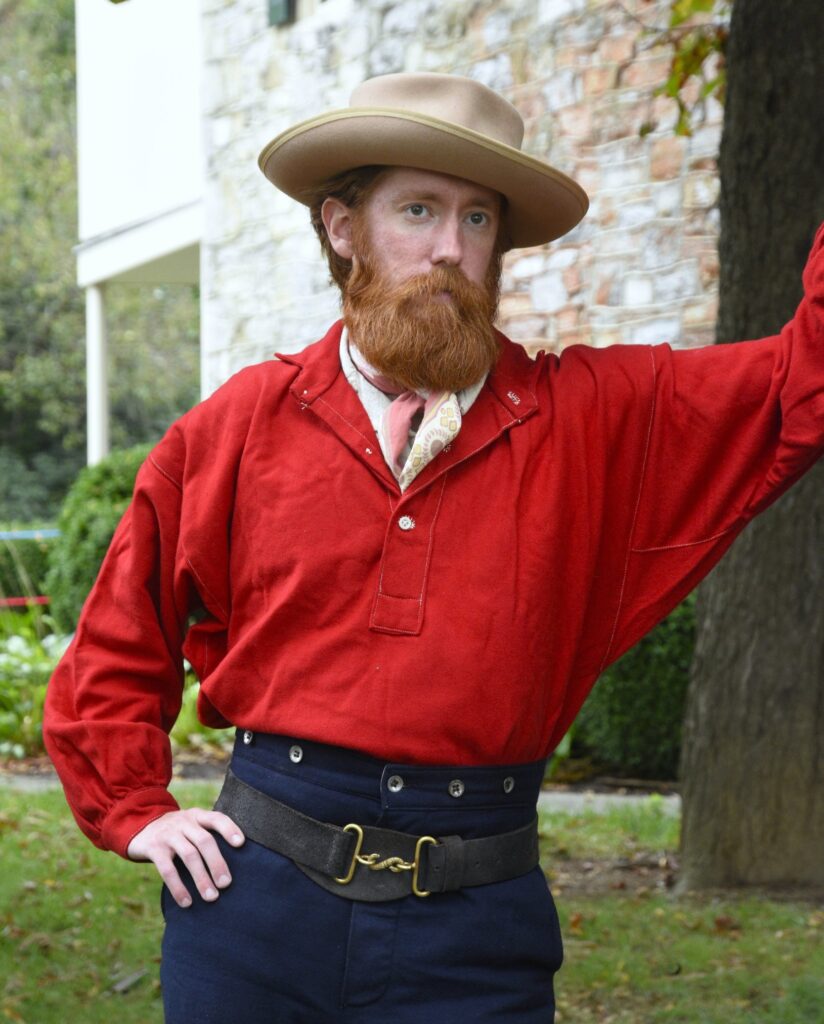
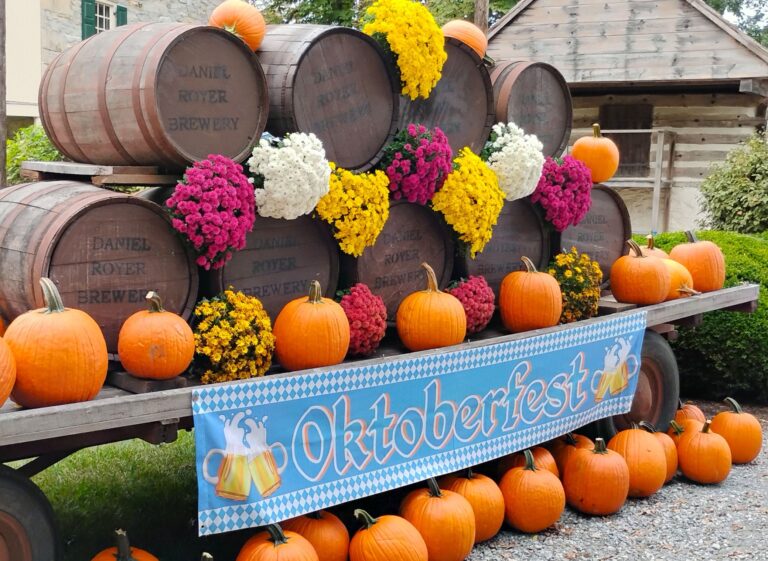
Today, Renfrew hosts a series of events and programs that offer cultural and educational benefits, reinforcing the organization’s mission of historical authenticity, and serving as a welcoming destination. The organization recently hosted an Oktoberfest celebration with live music, interpretive exhibits, house tours, and German food and drink.
Renfrew is located at 1010 E. Main Street in Waynesboro. For more information, including Visitor Center hours, upcoming programs/events, or contributions to the new mill’s fundraising campaign, call 717-762-4723, or visit Renfrew’s website: renfrewmuseum.org.